


People assume romance authors spend their days thinking about kisses in the rain, witty banter, and shirtless fictional men leaning against expensive cars for absolutely no reason besides “vibes.”
And technically… yes.
But if you write romance long enough, especially emotional romance, you eventually realize you are not actually writing about love.
You’re writing about grief.
Not always the obvious kind. Not always funerals and black dresses and life-altering phone calls at 2 a.m. Sometimes grief looks quieter than that. Sometimes it’s the grief of becoming someone new. The grief of realizing the life you imagined isn’t happening. The grief of divorce. Loneliness. Infertility. Growing older. Watching your children need you less….. Being loved badly by someone you would have burned the world for.
Romance, at its core, is often about giving characters permission to believe in connection again after something inside them has broken. That’s why I think so many people underestimate romance as a genre.
They see the chemistry, the longing, the spice, the tension, the dramatic declarations in bookstores and thunderstorms and magical forests, but underneath all of that is usually one very human question:
“What happens after life hurts you?”
As both a romance author and a mental health professional, I think that question lives inside almost every love story people truly connect with.
Because falling in love is vulnerable. Not in the Pinterest quote way. In the terrifying way.
To love someone deeply is to risk loss. Rejection. Abandonment. Disappointment. Exposure. To allow another person to witness parts of yourself you normally hide from the world. And people who have experienced grief know exactly how dangerous that feels.
After loss, the nervous system changes. People become more cautious with hope. More suspicious of joy. Even happiness can feel unsafe because grief teaches you that beautiful things can disappear without warning.
That reality changed the way I write romance forever.
When I first started writing emotionally layered romance, I realized very quickly that the scenes readers responded to most were not always the dramatic scenes. It wasn’t necessarily the grand gestures or the perfectly crafted dialogue.
It was the moments where the characters felt emotionally real. The tiny moments. A hand resting on someone’s back while they cry in the kitchen. A character staying instead of leaving. Someone noticing another person is overwhelmed before they say a word. Those scenes matter because grief changes the way people experience intimacy.
After pain, people don’t just want passion.
They want safety.
That’s why emotionally intelligent romance has exploded recently. Readers are exhausted emotionally. Real life already contains enough uncertainty, emotional immaturity, and relationships that feel like psychological obstacle courses designed by Satan himself.
People crave stories where love feels steady. Where characters choose each other repeatedly. Where tenderness exists alongside desire.
And honestly? Writing romance after experiencing grief yourself changes you too. Because you stop romanticizing perfection. You stop believing love is about flawless people magically completing each other while standing under fairy lights.
You start understanding that love is often messy, inconvenient, badly timed, terrifying, healing, frustrating, and deeply human. The couples readers remember are rarely perfect. They are emotionally honest.
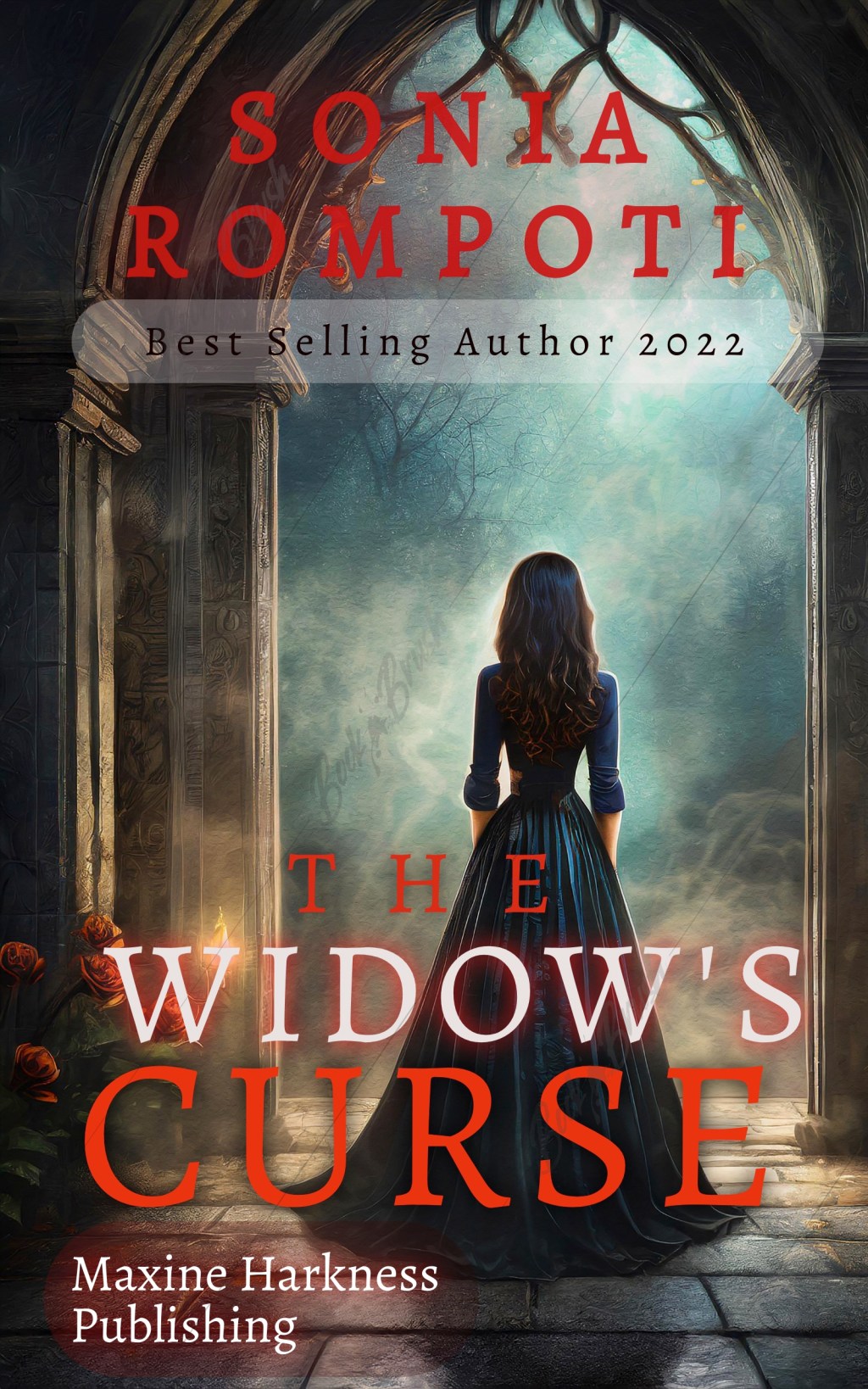
That honesty became incredibly important to me while writing The Widow’s Curse.
I didn’t write that story because I wanted to create “sad content.” I wrote it because I was tired of stories that treated grief like a brief character development arc before the heroine magically moved on with excellent hair and symbolic sunshine.
That isn’t how grief works. Loss changes the architecture of a person. You do not become who you were before. You become someone new.
And I think romance can be one of the most beautiful genres for exploring that transformation because good romance does not erase grief. It makes space for it. That distinction matters. Healing is not forgetting. Love after loss is not betrayal. Joy after pain is not disrespectful to the people we loved.
One of the most surprising things writing romance taught me is that readers are not looking for fantasy because they are naive.
They are looking for emotional hope.
There’s a difference.
Readers know fictional men are fictional. Trust me, the internet reminds us daily. Usually loudly. But stories allow people to emotionally rehearse hope. To imagine being understood. Chosen. Desired. Protected. Seen.
And for people carrying grief, those emotions can feel incredibly healing, even temporarily.
Stories remind people that tenderness still exists. That connection is still possible. That broken people are still worthy of love.
I think that’s why romance matters far more than people give it credit for. It’s not “just escapism.” Sometimes it’s survival. Sometimes it’s comfort during periods of loneliness people don’t even know how to explain out loud.
Sometimes it’s the only place where readers feel emotionally safe enough to feel things they’ve been suppressing for months.
And honestly, if a fictional man gently cups a woman’s face and tells her she doesn’t have to carry everything alone anymore, entire nervous systems across the planet collectively exhale. Science should probably study this.
Writing romance also taught me something deeply personal: People do not need to be fully healed before they deserve love.
That message matters to me.
Especially for women.
Especially for mothers.
Especially for people carrying invisible grief while still functioning, working, caregiving, smiling politely in supermarkets, answering emails, paying bills, and somehow continuing to exist while emotionally exhausted.
You are still allowed softness. You are still allowed desire. You are still allowed connection. That belief lives inside every emotionally layered romance I write.
Whether it’s grief, longing, witchcraft, healing, obsession, emotional tension, or curvy heroines reclaiming visibility and desire, the emotional thread underneath my stories is always the same:
Broken people are still worthy of extraordinary love.
If you enjoy romance that explores emotional healing alongside passion, emotionally intelligent connection, grief, longing, and deeply human characters, you can explore my books through Harkness Publishing House and join my reader community for more conversations about love, healing, psychology, and the emotional chaos fictional couples put us through willingly.


Leave a Reply