


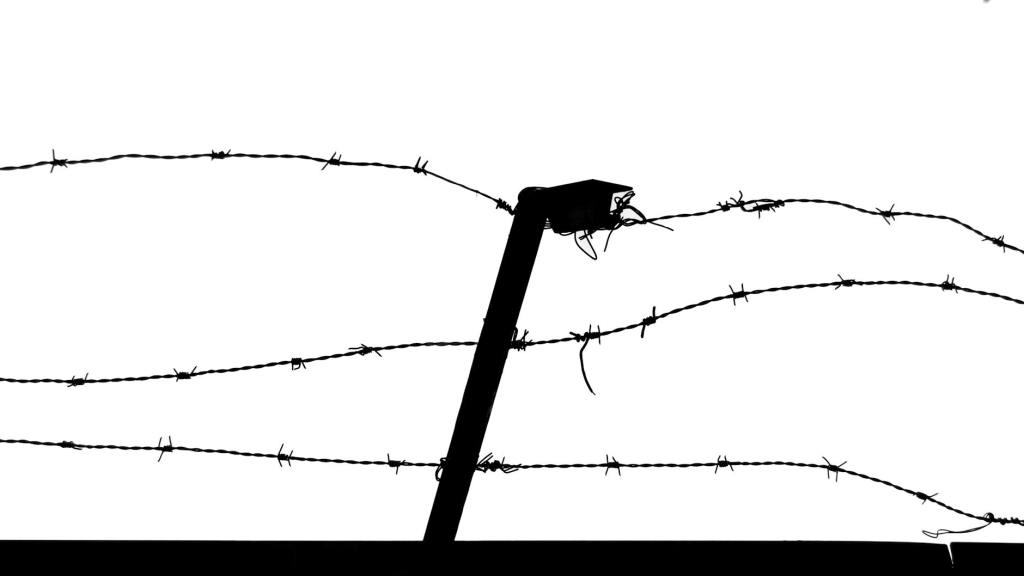
Not everyone gets access to your energy, your time, or chapter one.
There is a glamorous lie floating through creative culture that the best artists are endlessly available. Always responsive. Always grateful. Always producing. Always visible. Always willing to explain their process, share their resources, answer every message, react to every trend, post constantly, support everyone else, and hand over pieces of themselves in tidy little squares for public consumption.
How convenient for everyone except the artist.
The truth is simpler and far less marketable. Creativity needs boundaries the way fire needs containment. Without structure, it does not become brighter. It burns out.
Many authors do not struggle because they lack talent. They struggle because too much of their energy leaks away before it reaches the page. It leaks into comparison, overexplaining, unpaid emotional labor, endless notifications, guilt, urgency, audience noise, and the pressure to be “on” at all times. Then they sit down to write with an empty battery and wonder where the magic went.
It did not vanish.
It was spent.
The real problem is that modern creative life rewards access more visibly than depth. Posting looks productive. Responding looks kind. Being everywhere looks ambitious. But visibility without protection can become self-erasure in attractive branding colors. Many writers slowly build an online presence while quietly abandoning the inner life that made them interesting in the first place.
A tragic exchange rate.
This is why boundaries are not selfish. They are artistic infrastructure.
A boundary is simply a decision about what you will protect, what you will allow, and what you will no longer subsidize with your nervous system. It is saying no without writing a twelve-paragraph apology. It is deciding not every message requires an answer. It is understanding that someone else’s urgency is not automatically your responsibility. It is choosing depth over constant availability.
For authors, this can change everything.
If you are always consuming, you cannot hear your own voice clearly. If you are always reacting, you cannot build anything lasting. If you are always comparing, you cannot recognize your own pace. If you are always explaining yourself, you eventually forget you were allowed to simply create.
When I write books like Witch, Unleashed, Witch, Undone, or The Widow’s Curse, the stories do not come from frantic overexposure. They come from protected space. Quiet thought. Emotional honesty. Time long enough for ideas to become more than content scraps. Even books built with heat, tension, magic, and drama require something surprisingly unsexy behind the scenes: room to think.
What should authors not do if they want to protect their creative life?
Do not give your best hours to distractions and your leftovers to writing. Many people spend the freshest part of the day feeding platforms, then expect brilliance from the exhausted scraps of evening. Do not treat every request as an obligation. A compliment does not obligate mentorship. Interest does not obligate free consulting. Access to your work does not equal ownership of your time.
Do not confuse being liked with being aligned. Some people will enjoy you most when you are overgiving and underprotected. Their disappointment when you set boundaries is not evidence you were wrong. It is evidence the old arrangement benefited them.
Do not share so much in real time that your life becomes content before it becomes experience.
What should you do instead?
Decide what matters most in this season. Drafting? Launching? Resting? Learning craft? Building readership? Let your boundaries serve that priority. If you are drafting, reduce noise. If you are launching, choose focused visibility instead of chaotic everywhere-ness. If you are depleted, recovery is productive. Burnout writes terrible prose.
Create rituals around access. Specific times for email. Specific times for social media. Specific times for writing. Not because you must become a robot in tasteful knitwear, but because decision fatigue drains creative energy faster than most people realize.
Protect emotional boundaries too. Not every review deserves residence in your nervous system. Not every trend requires participation. Not every successful author is your competition. Not every slow month is a crisis. Some seasons are for planting, not applause.
And keep something sacred.
A scene no one has seen yet. An idea not announced prematurely. A project growing in private before the internet can breathe on it. Constant exposure can flatten fragile beginnings. Some magic strengthens in darkness first.
To maintain boundaries long term, expect discomfort. If you are used to overexplaining, clarity may feel rude. If you are used to overgiving, rest may feel lazy. If you are used to measuring worth through output, a slower season may feel like failure. Feelings are not always facts. Let them complain while you continue wisely.
The goal is not to become cold, unreachable, or performatively mysterious in black turtlenecks. The goal is to remain resourced enough to keep making meaningful work.
Your readers do not need every piece of you.
They need the books only you can write.
Protect the part of you that writes them.


Leave a Reply