


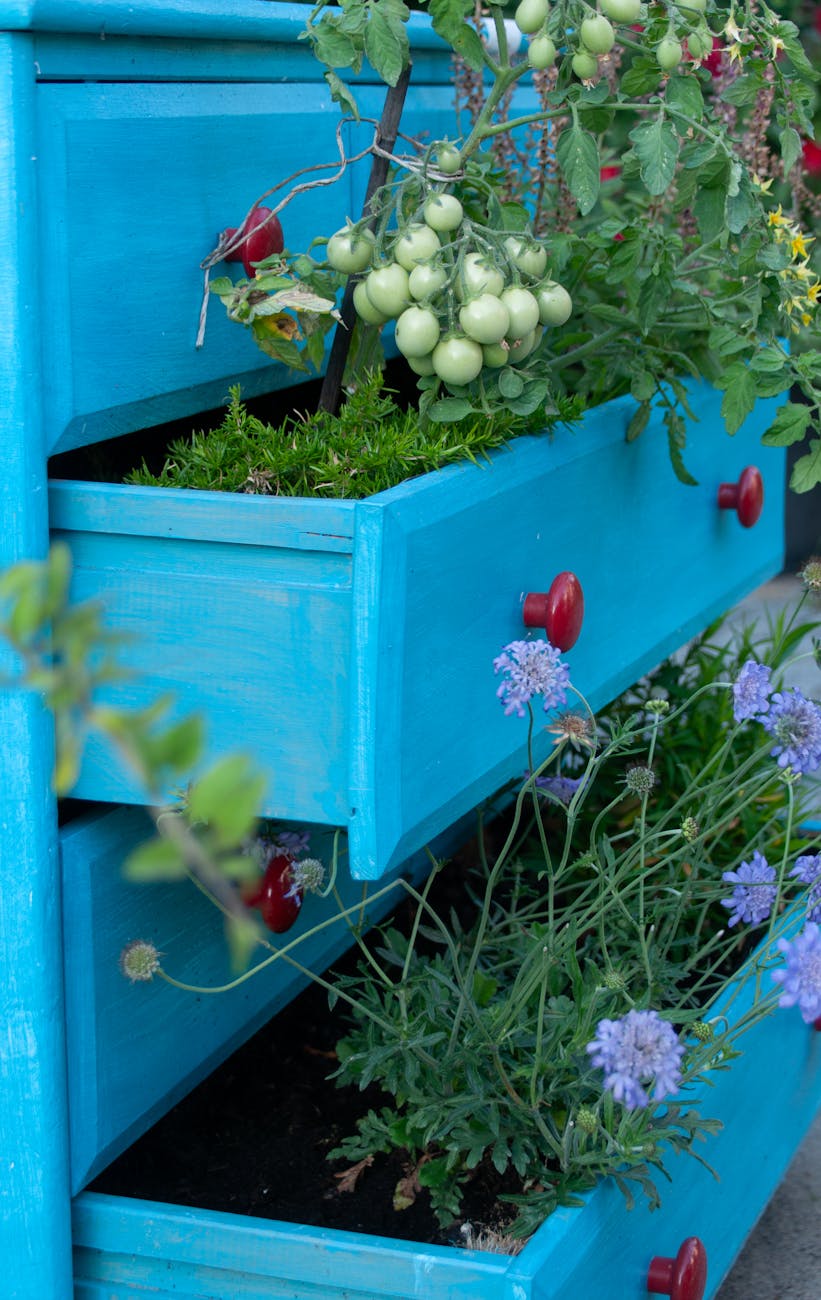
She hadn’t meant to plant anything that year. She’d meant to sell the house.
But April arrived and the garden looked the way it had when he was alive and she found herself on her knees in the mud with a trowel, not because she’d decided to, but because her body had gone there while she wasn’t watching.
The man from next door leaned over the fence.
“You need help with that drainage,” he said.
She looked up. He was older than her — fifty, maybe — with the solid, weathered look of someone who spent time outside. She’d seen him in passing. They’d never spoken.
“I’m fine,” she said.
“The water’s pooling in the corner. Your bulbs will rot.”
She sat back on her heels and looked at the corner. He was right.
His name was Henry. His wife had left two years ago — not to death but to someone else, which was its own kind of loss, different in shape, the same in weight. He said this without self-pity, practically, the way someone says: this is the context for who I am now.
He fixed the drainage. She made tea. They stood in the garden in the thin spring light and she told him about her husband, because something about the mud and the bulbs and the directness of him made her want to tell the truth.
He listened. He didn’t try to resolve it.
“Do you want help with the rest?” he said, looking at the beds. “I’m free on weekends. I find it — I find this kind of work useful.”
“For what?”
He thought about it. “For remembering that things grow. That it’s still — that the year still turns.” He looked at her. “Even when you’re not sure you want it to.”
She understood that precisely.
He came back on Saturday. And the one after. The garden slowly came back to itself — not as it had been, which was not possible, but as something new that contained the memory of what had been.
She was not in love with him that spring, or that summer. She was in something slower and more necessary: she was in the company of someone who knew about things not growing back the same way, and stayed anyway.
By autumn she had stopped thinking about selling the house.
By winter she had stopped wanting to.
So you made it to the end… which probably means you’re the kind of person who enjoys a little romance with their coffee ☕. If you’re in the mood for more stories about messy feelings, stubborn attraction, and women who absolutely refuse to settle for boring love, you can find all my books here.
Fair warning though. One story tends to lead to another. I’ve seen it happen. Repeatedly.


Leave a Reply