


Introduction
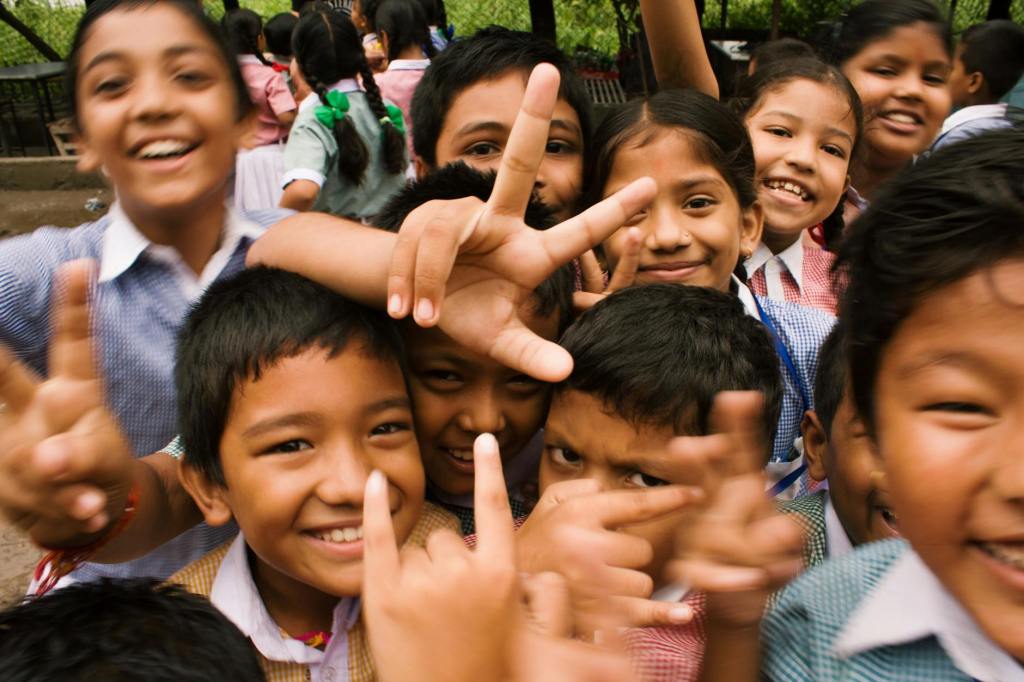
Self-esteem is a critical aspect of a child’s overall development, influencing their mental health, academic performance, and social interactions.
Positive self-esteem equips children with the resilience to face challenges and the confidence to pursue their goals. This article delves into effective strategies for parents and teachers to foster self-esteem in children through engaging activities and supportive environments.
The Importance of Self-Esteem in Children
Self-esteem refers to how a person values and perceives themselves. For children, high self-esteem translates to a positive self-image, confidence in their abilities, and the motivation to explore new experiences.
Conversely, low self-esteem can lead to anxiety, depression, and a reluctance to try new things. Therefore, nurturing self-esteem from an early age is essential for a child’s well-being and success.
Activities to Boost a Child’s Self-Esteem
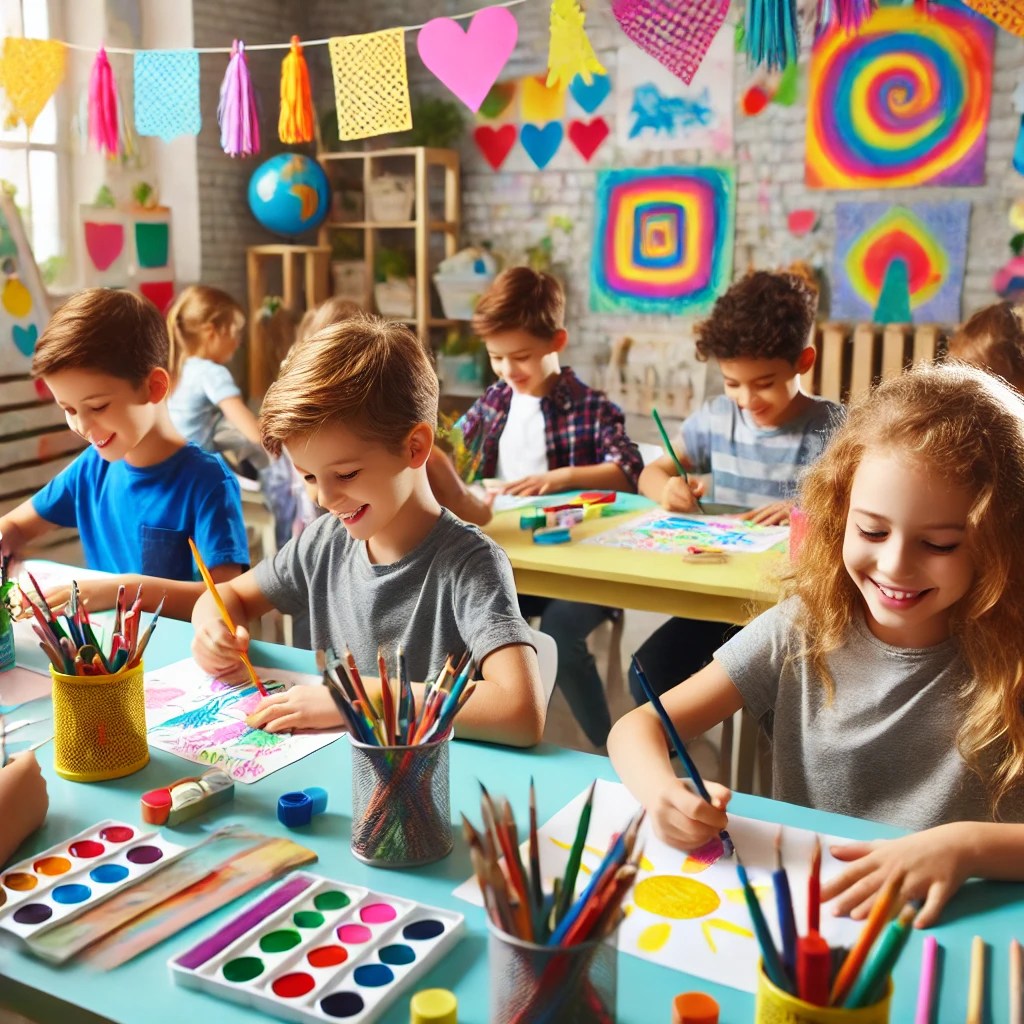
- Art and Craft Projects
- Why: Creative activities allow children to express themselves and gain a sense of accomplishment.
- How: Encourage children to create art, build models, or engage in other craft projects. Praise their efforts and display their creations, reinforcing their sense of achievement.
- Physical Activities and Sports
- Why: Physical activities promote a healthy body image and teach teamwork and perseverance.
- How: Involve children in sports or physical activities they enjoy. Celebrate their participation and effort, not just victories.
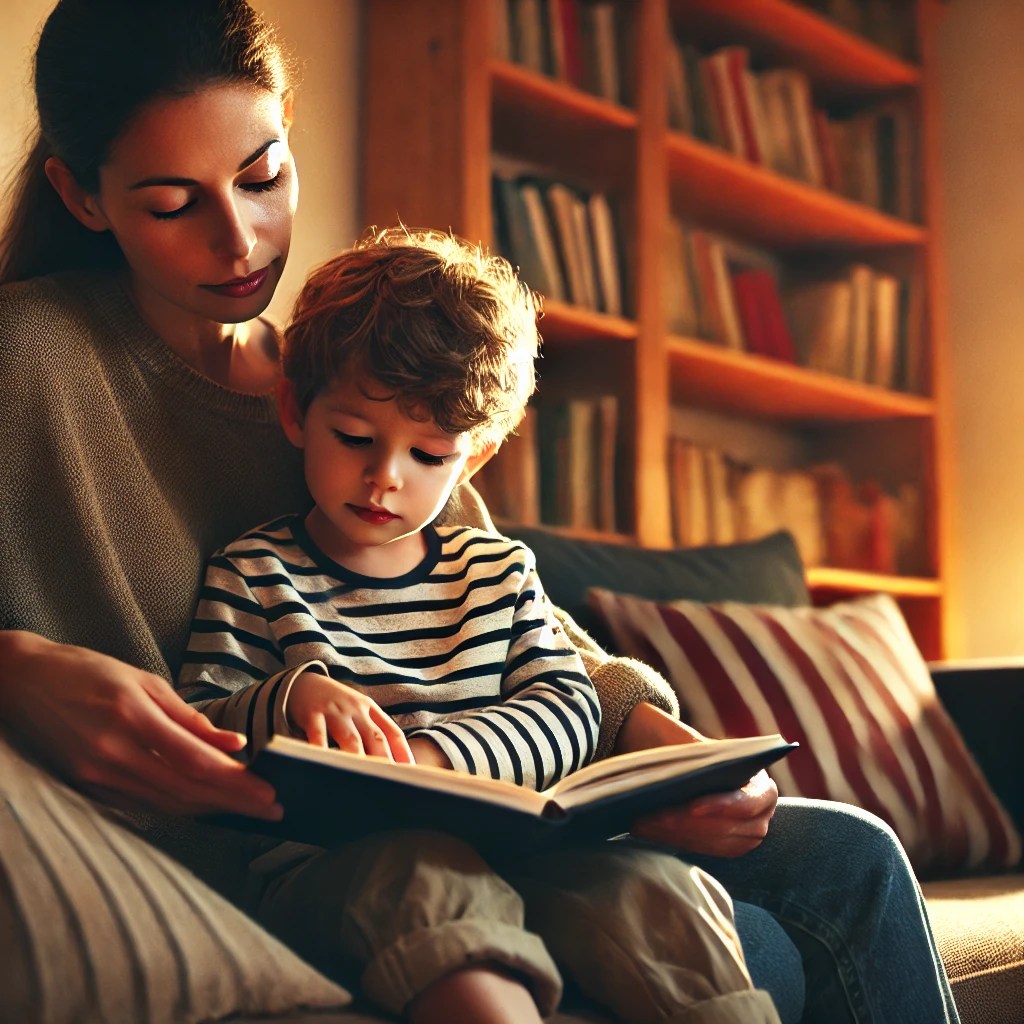
- Reading and Storytelling
- Why: Reading builds empathy and broadens perspectives, while storytelling enhances creativity and communication skills.
- How: Read together and discuss stories, focusing on the characters’ strengths and how they overcome challenges. Encourage children to create and share their own stories.
- Problem-Solving Games and Puzzles
- Why: These activities develop critical thinking and boost confidence in problem-solving abilities.
- How: Provide age-appropriate puzzles and games that challenge children without overwhelming them. Celebrate their successes and efforts.
- Community Service and Helping Others
- Why: Helping others fosters a sense of purpose and community.
- How: Involve children in community service projects or simple acts of kindness. Discuss the positive impact of their actions on others.

Supporting a Child’s Self-Confidence: Tips for Parents and Teachers
- Provide Unconditional Love and Support
- Why: Children need to know they are loved and valued regardless of their achievements.
- How: Show affection, listen actively, and spend quality time together. Offer reassurance during difficult times.
- Set Realistic Goals and Celebrate Achievements
- Why: Achievable goals help children experience success and build confidence.
- How: Help children set realistic, age-appropriate goals. Celebrate their achievements, big and small, to reinforce their efforts and progress.
- Encourage Independence and Decision-Making
- Why: Allowing children to make choices fosters independence and self-reliance.
- How: Offer opportunities for children to make decisions, from choosing their clothes to planning a family outing. Respect their choices and provide guidance when needed.
- Provide Constructive Feedback
- Why: Constructive feedback helps children learn and grow without damaging their self-esteem.
- How: Focus on the effort and specific aspects of the task rather than the outcome. Use positive language and suggest ways to improve.
- Create a Positive and Inclusive Environment
- Why: A supportive environment promotes a sense of belonging and acceptance.
- How: Encourage inclusive play and activities that involve all children. Address bullying and exclusion promptly and effectively.
- Model Positive Self-Esteem
- Why: Children learn by observing adults.
- How: Demonstrate self-confidence and self-acceptance in your actions and words. Share your own experiences of overcoming challenges.
Practical Scenarios and Examples
- Classroom Example:
- Scenario: A child struggles with a math problem and feels discouraged.
- Action: The teacher acknowledges the child’s effort, offers encouragement, and provides step-by-step guidance to solve the problem. The teacher praises the child for persisting and solving the problem.
- Home Example:
- Scenario: A child is nervous about performing in a school play.
- Action: The parent practices with the child, offering positive reinforcement and reminding them of their past successes. The parent attends the performance and cheers them on, regardless of the outcome.

The Role of Schools and Communities
- School Programs:
- Description: Schools can implement programs that promote self-esteem, such as peer mentoring, positive behavior interventions, and social-emotional learning curricula.
- Example: A school might establish a “Student of the Month” program that recognizes students for their unique strengths and contributions.
- Community Involvement:
- Description: Communities can provide resources and activities that support children’s self-esteem, such as recreational centers, after-school programs, and volunteer opportunities.
- Example: A local library might host a weekly reading club where children can share their favorite books and discuss them with peers.
Building a child’s self-esteem is a continuous process that requires effort, patience, and collaboration. As parents, teachers, and community members, we play a vital role in shaping a child’s self-perception and confidence. Let’s commit to creating nurturing environments and engaging in positive activities that foster self-esteem in children. Together, we can empower the next generation to believe in themselves and achieve their full potential.
Final Thoughts
Encouraging positive self-esteem in children is a multifaceted approach involving various activities and consistent support from parents, teachers, and the community. By implementing these strategies, we can help children develop a healthy sense of self-worth and confidence that will serve them well throughout their lives.
References for further reading
- American Psychological Association (APA). (n.d.). Self-Esteem.
- National Association for the Education of Young Children (NAEYC). (n.d.). Building Positive Self-Esteem in Children.
- KidsHealth. (n.d.). Developing Your Child’s Self-Esteem.
These references provide additional insights and resources for fostering self-esteem in children.



Leave a Reply