



Navigating the social world can be complex and challenging, particularly for children with autism spectrum disorder (ASD). They often face unique challenges that can make everyday social interactions more difficult.
This article aims to shed light on these challenges and offer practical strategies to help them develop essential social skills.
Understanding Autism and Social Skills
Autism is a developmental disorder that affects communication and behavior. Children with autism often have difficulties with social communication, which can include trouble with conversation, body language, and maintaining relationships. Understanding these challenges is the first step in helping them navigate the social world.

Key Social Skills and Their Importance
Social skills are essential tools for navigating daily interactions and building relationships. They involve the ability to communicate effectively, empathize with others, understand and follow social rules, and manage personal emotions and behaviors in social settings.
For children with autism, mastering these skills can significantly impact their ability to interact with peers, participate in educational settings, and integrate into community activities.
Basic Social Skills
- Making Eye Contact: Eye contact is a fundamental social cue that indicates attentiveness and interest in the conversation. Children with autism often find eye contact uncomfortable or may not understand its importance. Teaching them to gently engage in eye contact can help improve their engagement in social interactions.
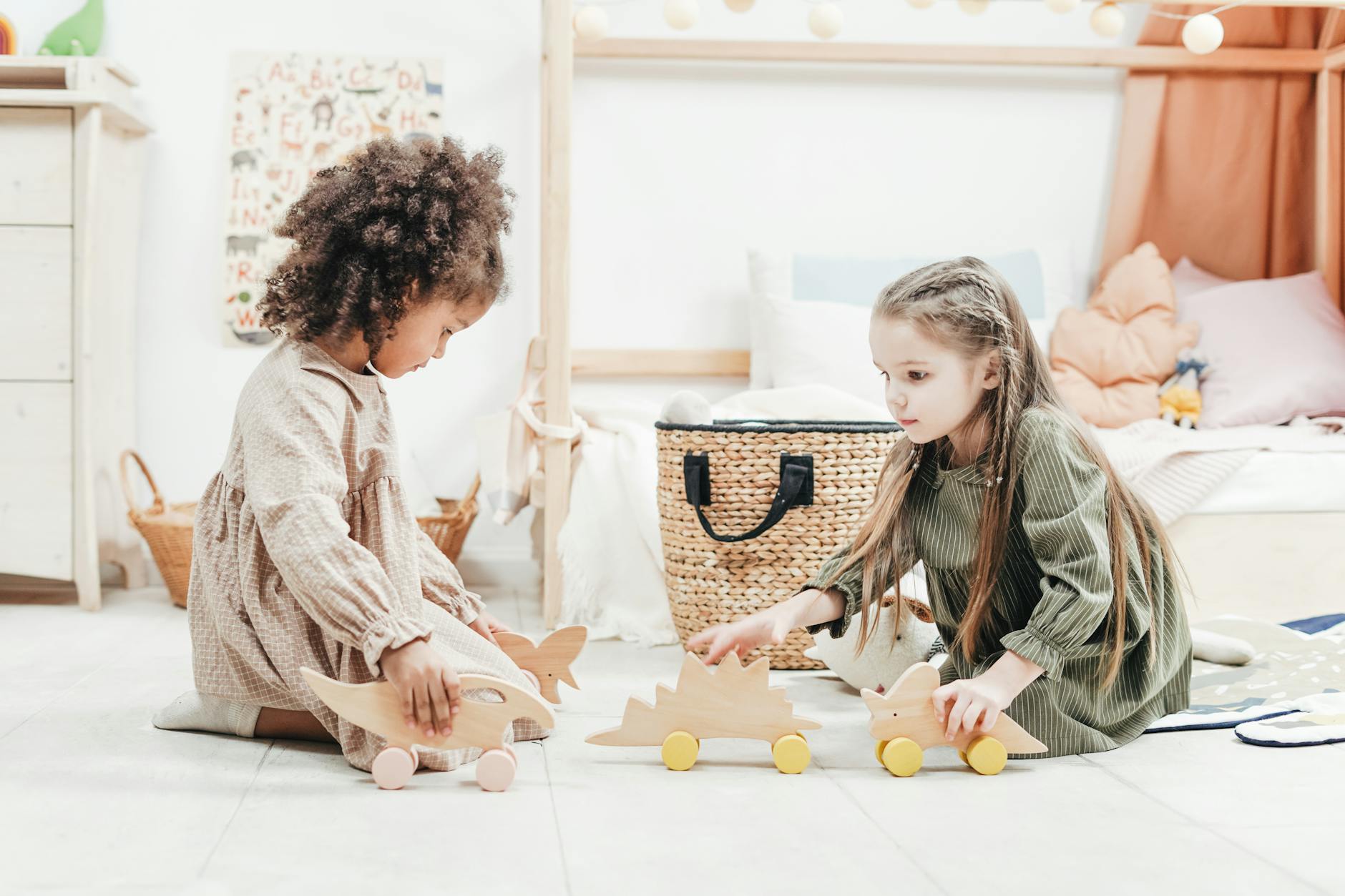
- Sharing and Taking Turns: These are crucial for group play and classroom activities. Learning to share and wait for their turn helps children with autism become part of group dynamics and teaches them about fairness and cooperation.
- Understanding Personal Space: Many children with autism have difficulty with the concept of personal space. Teaching them about personal boundaries can prevent unintentional discomfort and improve their social interactions.
- Following Instructions: The ability to follow verbal and non-verbal instructions is vital in educational settings and at home. This skill also relates to safety and the ability to participate in more complex social and recreational activities.
Intermediate Social Skills
- Recognizing Social Cues: This includes understanding facial expressions, body language, and tone of voice. Recognizing these cues helps children with autism interpret what others may be feeling or intending, which is crucial for developing empathy and appropriate responses.
- Initiating and Maintaining Conversations: Many children with autism struggle to start interactions or keep them going. Teaching them how to initiate conversations and engage in back-and-forth dialogue is essential for building friendships and expressing their needs.
Advanced Social Skills
- Interpreting Non-Literal Language: Understanding sarcasm, jokes, and idioms can be particularly challenging. These forms of communication are common in social interactions and can often lead to misunderstandings if taken literally.
- Conflict Resolution: Learning to manage disagreements and resolve conflicts peacefully is crucial for maintaining relationships. Skills include expressing feelings verbally, listening to others’ perspectives, and finding compromise.
- Empathy and Emotional Regulation: Developing empathy involves recognizing and responding appropriately to others’ emotions. Emotional regulation helps children manage their reactions and behave in socially acceptable ways, even when they are upset or excited.
The Impact of Social Skills on Overall Development
Developing these social skills can profoundly impact the overall development and quality of life for children with autism. Social skills boost self-esteem, reduce anxiety during interactions, and open opportunities for learning and growth through socialization. Additionally, these skills are pivotal in making friendships, succeeding academically, and participating meaningfully in community activities.
Strategies for Enhancing Social Skills
Improving social skills in children with autism involves a combination of targeted interventions, daily practice, and supportive environments. Here are some effective strategies that parents, caregivers, and educators can implement:
Structured Learning Approaches
- Role-Playing and Social Simulations: These are powerful tools for teaching social interactions in a controlled, predictable way. By role-playing various scenarios, children can learn how to greet others, request information, respond to questions, and practice conversational turns. This method also allows for immediate feedback and correction in a safe setting.
- Social Stories and Social Scripts: Developed specifically for individuals with autism, social stories help explain social situations, behaviors, and skills in a clear, concise manner. These stories prepare children for new experiences and teach appropriate responses. Social scripts are similar but provide actual dialogue examples that children can use in specific situations.
- Video Modeling: This technique involves showing videos of people (or animations) engaging in proper social interactions. Children watch the videos and then imitate the behaviors, which helps them learn through observation and repetition.
Technology Aids
- Interactive Apps and Games: Numerous applications are designed to enhance communication and social skills. These tools often use engaging, game-like formats to teach emotion recognition, conversation skills, and problem-solving strategies.
- Virtual Reality (VR) Environments: Emerging technologies like VR offer immersive experiences where children can practice social interactions in a variety of virtual settings. This can be particularly helpful for practicing skills in environments that would otherwise be too stressful or impractical to simulate in real life.
Professional Support and Therapy
- Speech and Language Therapy: This can help improve pragmatic language skills, which are crucial for effective communication. Therapists work on aspects like conversation, tone of voice, and understanding non-literal language.
- Behavioral Interventions: Applied Behavior Analysis (ABA) is widely used to teach social skills in children with autism. ABA focuses on reinforcing desirable behaviors through a systematic approach and can be tailored to each child’s needs.
- Social Skills Groups: Organized by therapists or community centers, these groups provide a safe environment where children can practice social skills with peers under professional supervision. This setting also helps them make friends who are likely facing similar challenges.
Incorporating Social Skills into Daily Routines
- Daily Practice: Regular, casual practice of social skills can occur throughout the day, such as during family meals, playdates, or even simple outings like a trip to the grocery store.
- Positive Reinforcement: Recognize and praise children when they use their social skills correctly. Positive reinforcement encourages them to continue using the skills and builds their confidence.
- Setting Realistic Goals: Start with simple goals and gradually increase the complexity as the child improves. This helps build skills progressively and avoids overwhelming them.

Creating a Supportive Learning Environment
Creating an environment that encourages positive social interactions is crucial. This includes providing consistent structure and routine, which helps children feel secure and more likely to engage socially. Encouraging empathy and understanding among siblings and peers also contributes to a more supportive social learning environment.
Challenges and Overcoming Them
It’s common for children with autism to experience setbacks as they learn social skills. Parents and caregivers can prepare for this by developing coping mechanisms and stress management techniques that help children handle social missteps.
What you can do to help
Engage with Our Community
We invite you to share your experiences and insights in the comments below. Have you tried any of these strategies with your child? What worked well, and what challenges did you face? Your stories can inspire and assist other parents and caregivers navigating similar journeys.
Stay Informed and Supported
For ongoing support and the latest developments in autism care, subscribe to our newsletter. We regularly feature expert advice, success stories, and practical tips for enhancing social skills and other aspects of autism care.
Connect with a Professional
If you feel you need more personalized guidance, we encourage you to reach out to a specialist in your area. Consulting with professionals who understand the nuances of autism can provide tailored support that will benefit your child’s unique needs. Use our directory to find trusted experts near you.
Share and Spread the Word
Help others benefit from this valuable information by sharing this article on your social media platforms or with friends and family who might find it useful. Together, we can build a more informed and supportive community for all our children.
Final Thoughts
While the journey to mastering social skills can be challenging for children with autism, with the right strategies and support, significant improvements can be made. Patience, persistence, and encouragement are key to helping these children thrive in social settings.



 Sonia M. Rompoti, MSc, Bsc
Leave a reply to textiles-now Cancel reply