


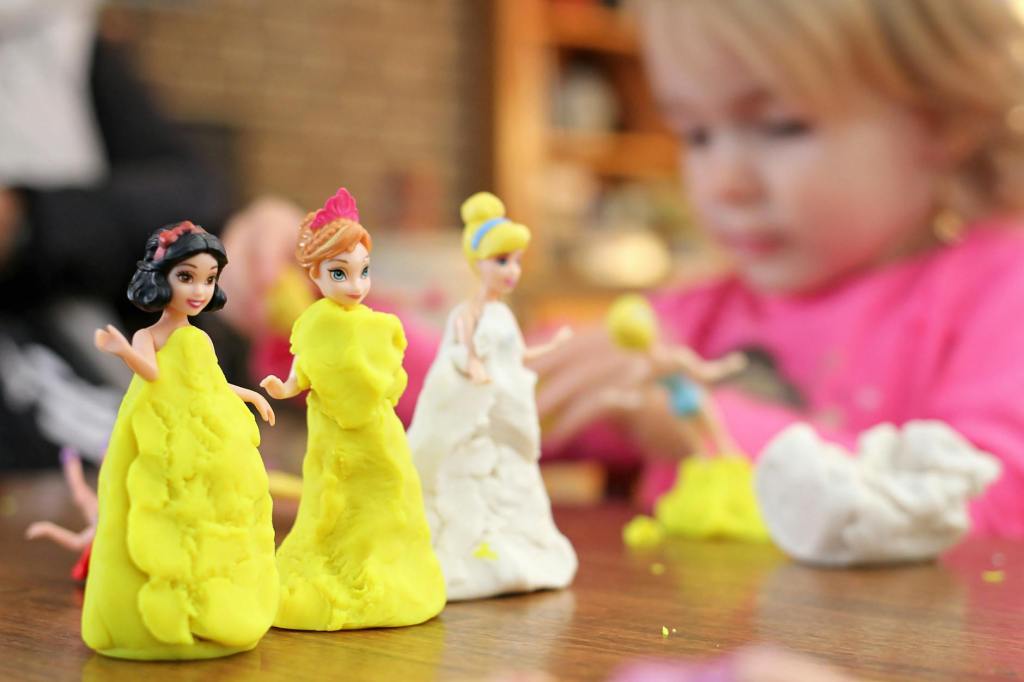
Play is not just a simple activity; it’s a crucial aspect of childhood that supports comprehensive development. As children engage in play, they learn critical social, cognitive, and emotional skills.
This article explores the psychological mechanisms behind learning through play and discusses how these playful activities can be intentionally designed to enhance learning and development in children.
The Role of Play in Child Development
Cognitive Development: Play stimulates neural pathways by encouraging children to think creatively, solve problems, and adapt to new situations. Through activities like building blocks, children grasp early mathematics and physics concepts, learning about balance, geometry, and spatial relationships.
Social Skills: Group play teaches children valuable social skills. They learn to negotiate, collaborate, and empathize with others. Games with rules, for example, require children to practice self-control and understand fairness and justice.
Emotional Development: Play allows children to express and manage their emotions. Pretend play, where children act out different scenarios, helps them understand emotional dynamics and develop empathy.
Theories Supporting Learning Through Play
Jean Piaget’s Cognitive Development Theory: Piaget emphasized the importance of play in a child’s intellectual development, noting that through assimilation and accommodation, children learn about their world most effectively when they are actively engaged in a playful manner.
Lev Vygotsky’s Social Development Theory: Vygotsky argued that social interaction—central to playing with others—is fundamental for cognitive development. According to them, children learn significantly through these interactions within their zone of proximal development (ZPD), as they play.
Howard Gardner’s Multiple Intelligences Theory: Gardner’s theory suggests that children have different kinds of intelligences. Play helps to cater to various intelligences, such as bodily-kinesthetic, musical, and interpersonal, offering a diverse range of learning opportunities.
Practical Strategies to Enhance Learning Through Play
- Incorporating Educational Toys: Use toys that are designed to develop specific skills, such as puzzles for problem-solving skills, and musical instruments for auditory skills.
- Designing Playful Learning Environments: Create spaces that encourage children to explore and play, such as corner reading nooks, art stations, and small science labs.
- Integrating Technology: Responsibly integrate technology into play, such as educational apps and games that promote learning through interactive content.
- Role-Playing Scenarios: Encourage role-play to help children understand real-life situations, such as playing shopkeeper or doctor.
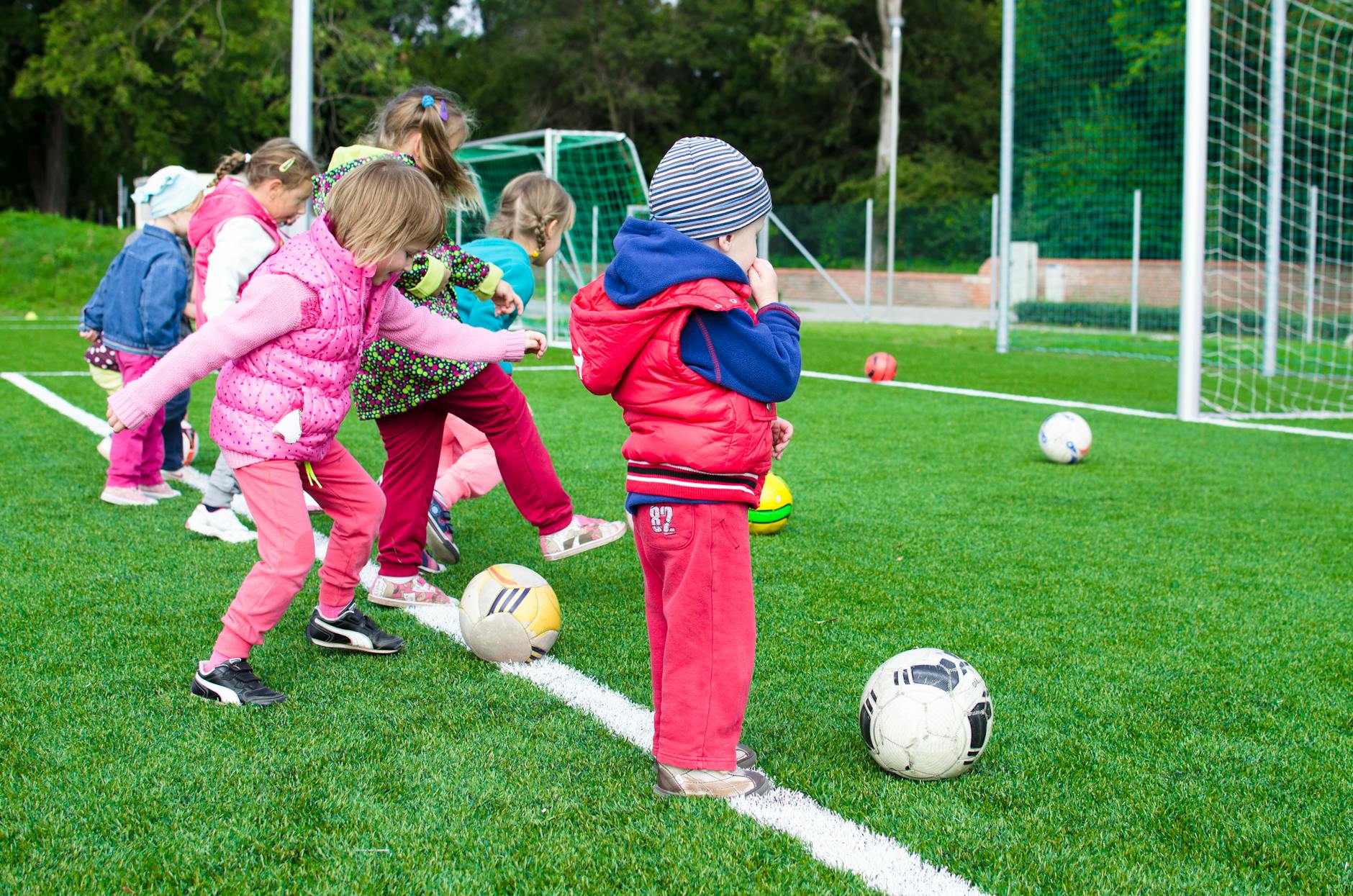
- Outdoor Play: Outdoor play is not only beneficial for physical health but also enhances sensory skills and awareness of the environment.
Daily Approaches to Child Play
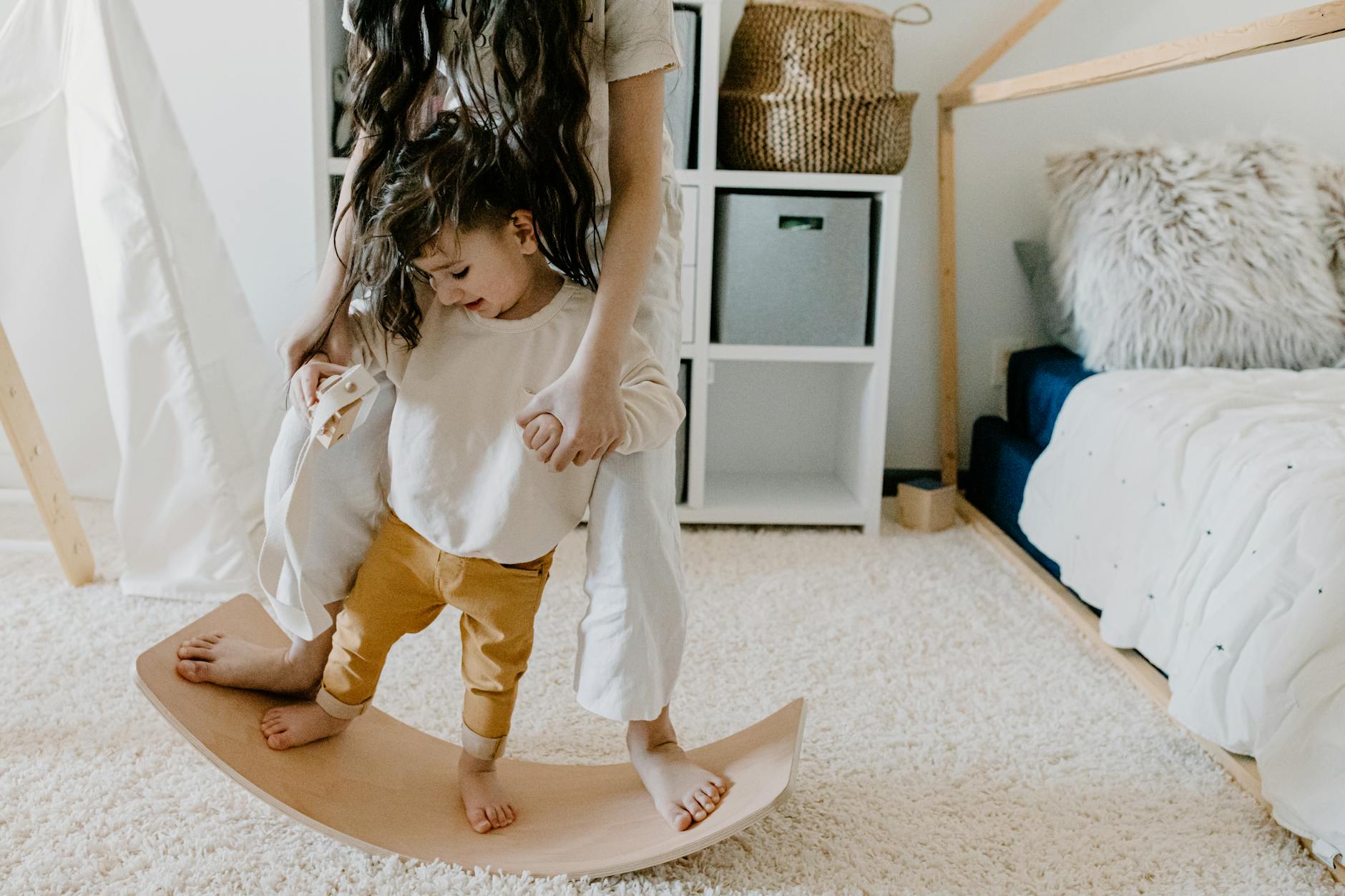
- Montessori Approach: Montessori schools use self-directed, hands-on learning and collaborative play to encourage children to learn at their own pace and to foster independence.
- Reggio Emilia Approach: This approach focuses on expressive arts and community projects to promote intellectual development. Children learn through experiences of touching, moving, listening, and observing.
- Scandinavian Education Systems: Known for their emphasis on play, Scandinavian schools often have longer recess times and less structured classroom times, which has been linked to higher academic performance and well-being.
Importance of Play in Modern Education
In an era where academic pressures and structured activities can dominate, it is crucial to remember the value of play.
Integrating play into the daily curriculum helps maintain a balanced approach to education, fostering not only academic success but also healthy, well-rounded development.
Final Thoughts
Understanding and integrating play into children’s daily lives is not just beneficial but essential for their development. Parents, educators, and policymakers must advocate for play-based learning strategies to ensure that children can achieve their developmental milestones in enjoyable and effective ways.
Encourage your school community to integrate more play-based learning by sharing this article with fellow parents and educators. Let’s make learning enjoyable and effective for every child!



 Sonia M. Rompoti, MSc, Bsc
Leave a reply to Anuran & Sayoni Cancel reply