



Feeling anxious is a normal part of growing up. But what happens when these feelings start taking over your child’s life? Imagine watching your child worry so much that it interferes with their school, friendships, and joy.
That’s the reality for many families navigating the complex world of childhood anxiety. In this guide, we’ll explore how to identify, support, and manage anxiety in children, making it a resource for caregivers and educators alike.

Understanding Childhood Anxiety
Defining Anxiety in Children
Anxiety goes beyond the typical fears and worries of childhood. It’s when these feelings become constant and overwhelming, affecting daily activities, that they morph into anxiety disorders. For children, this can mean relentless worry about their performance in school or sports, fear of separation from parents, or extreme nervousness about social interactions.
Common Types of Anxiety Disorders in Children
From Generalized Anxiety Disorder (GAD), which involves excessive worry about everyday matters, to more specific concerns like Separation Anxiety Disorder and Social Anxiety Disorder, anxiety can wear many masks. Each type affects children differently, shaping their experiences and challenges.

Identifying Anxiety in Children
Signs and Symptoms
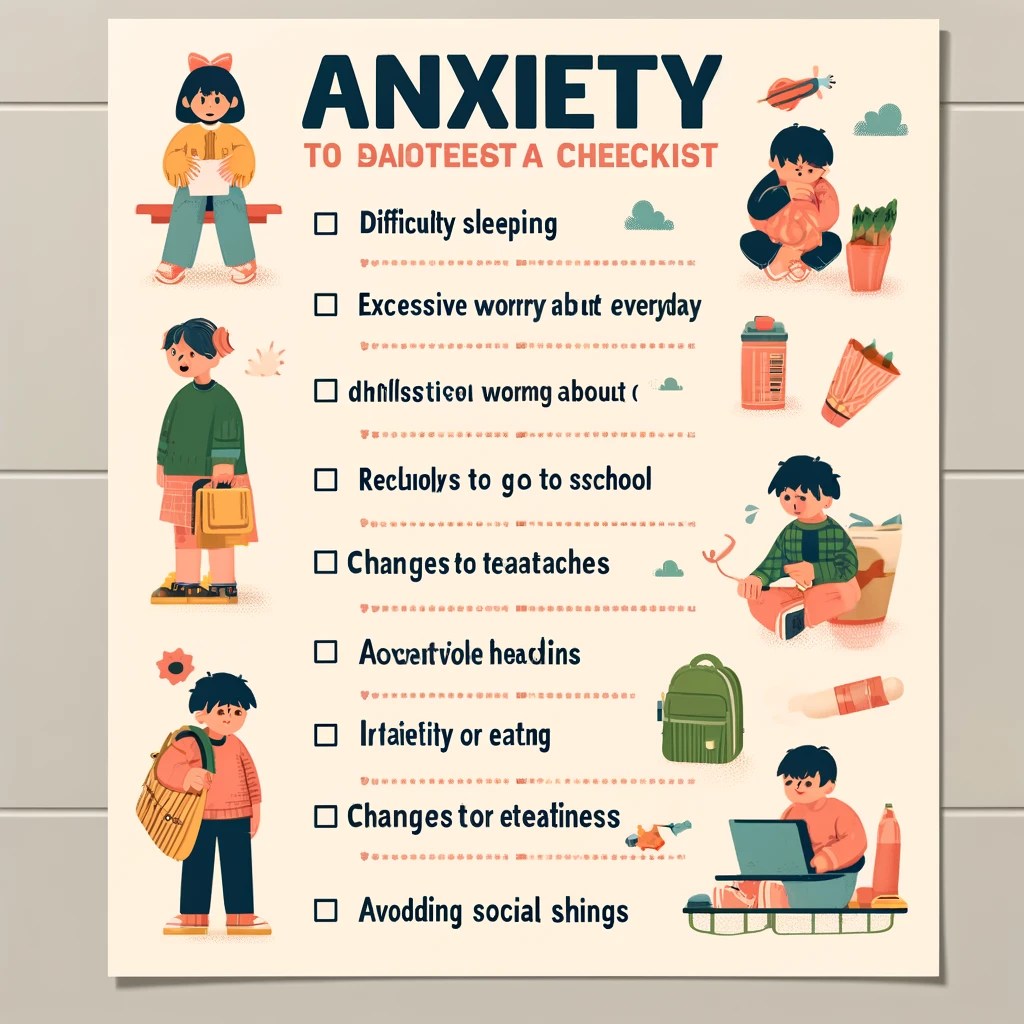
Anxiety in children can manifest as stomachaches, headaches, sleep disturbances, or an inability to concentrate. Emotionally, it might look like irritability, tearfulness, or excessive worry about making mistakes.
When to Seek Help
If your child’s anxiety starts to interfere with their ability to participate in school, make friends, or enjoy life, it’s time to seek professional advice.
Early intervention can make a significant difference in their wellbeing.
Supporting Children with Anxiety
Creating a Supportive Environment
Stability and understanding can help alleviate anxiety. Maintaining a routine, being predictable, and offering a listening ear are all key. Ensure your child knows they can talk to you about their fears without judgment.
Effective Communication Techniques
Encourage your child to express their feelings. Listen actively and validate their emotions, even if you don’t fully understand them. This open communication builds trust and helps them feel supported.

Management Strategies for Childhood Anxiety
Cognitive-Behavioral Techniques
Tools like cognitive restructuring, which challenges negative thoughts, and exposure therapy, which gradually introduces the child to their fears, can be powerful. These strategies teach children that their anxiety is manageable.
Relaxation Techniques and Mindfulness
Deep breathing, guided imagery, and yoga can help children calm their minds and bodies. These activities promote relaxation and present-moment awareness, offering a respite from anxiety.
Professional Interventions
Sometimes, professional help is needed. Therapies like Cognitive Behavioral Therapy (CBT) have been shown to be effective in treating anxiety in children. In some cases, medication may also be considered as part of a broader treatment plan.
Preventing Anxiety from Taking Control
Building Resilience in Children
Teach children to face their fears, not run from them. Encouraging problem-solving, fostering positive relationships, and equipping them with coping strategies can bolster their resilience against anxiety.
The Role of Diet, Exercise, and Sleep
A healthy lifestyle can significantly impact anxiety levels. Balanced diets, regular physical activity, and adequate sleep all play a role in managing anxiety more effectively.

Empowering Caregivers and Educators
Childhood anxiety is a formidable challenge, but it’s not insurmountable. With the right knowledge and tools, caregivers and educators can make a meaningful difference in the lives of anxious children.
By applying the strategies outlined above, we can support our children in managing their anxiety and thriving despite it.
Don’t let anxiety define your child’s story. Start applying these strategies today and observe the difference. And remember, it’s okay to seek help.
Professional guidance can provide further support and tailor strategies to your child’s unique needs. Together, we can navigate the challenges of childhood anxiety, ensuring our children emerge stronger and more resilient.



 Sonia M. Rompoti, MSc, Bsc
Leave a reply to oliiizadin Cancel reply