



Creating a budget is an essential step for freelancers to manage their finances effectively. Unlike traditional employment, freelancing income can be irregular, making budgeting a crucial skill.
This article will guide freelancers through the process of creating a budget, highlighting essential tools and offering practical tips to navigate the freelancing financial landscape successfully.

Understanding Your Income
Fluctuating Revenue: The first step in budgeting as a freelancer is understanding that your income may vary significantly from month to month. Begin by calculating your average monthly income over the past year. If you’re new to freelancing, estimate your income based on your current contracts and industry standards.
Diversification: To mitigate income volatility, diversify your client base. Having multiple income streams can provide stability.
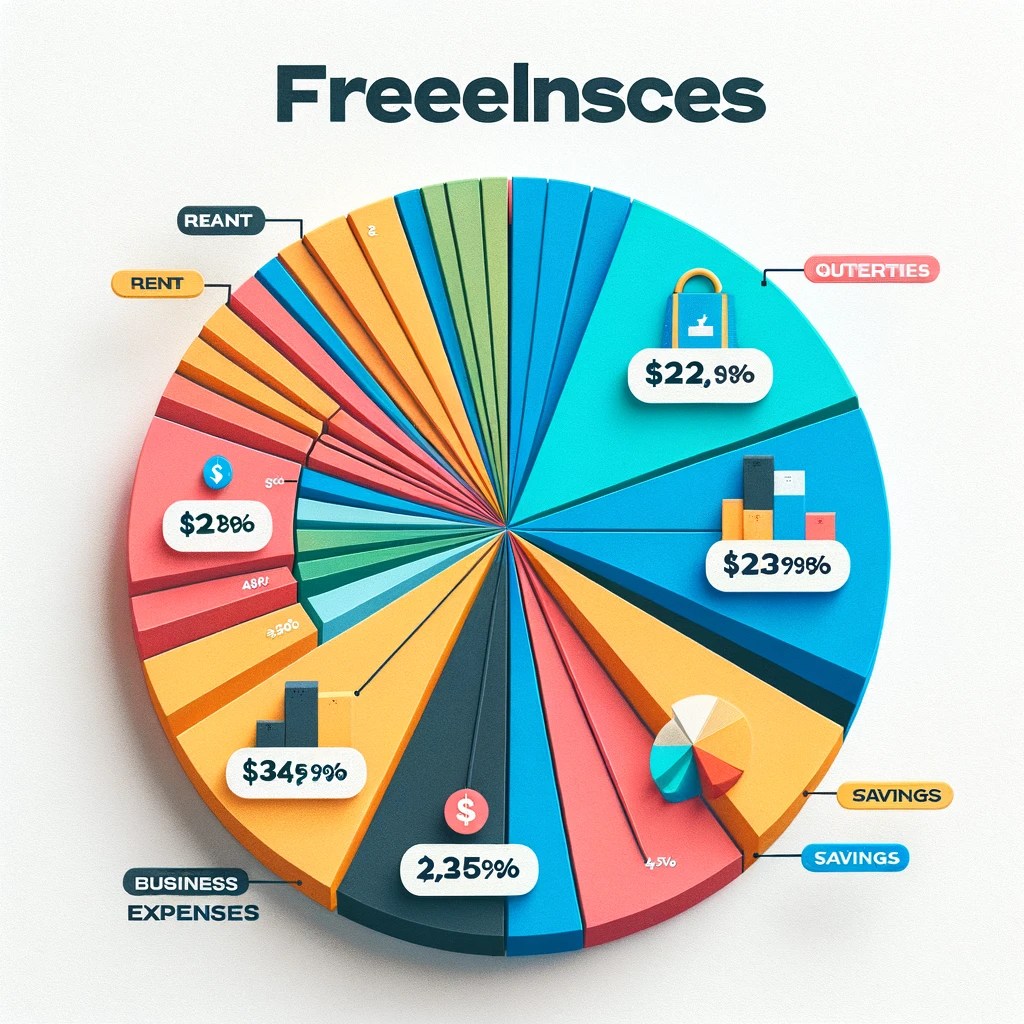
Essential Budgeting Categories
Fixed Expenses: These are costs that remain relatively constant each month, such as rent, internet, software subscriptions, and insurance.
Variable Expenses: These costs fluctuate, including utilities, groceries, and ad hoc business expenses. Monitoring these expenses is crucial for effective budgeting.
Savings and Investments: A portion of your income should go towards savings for emergencies, retirement, and other financial goals.
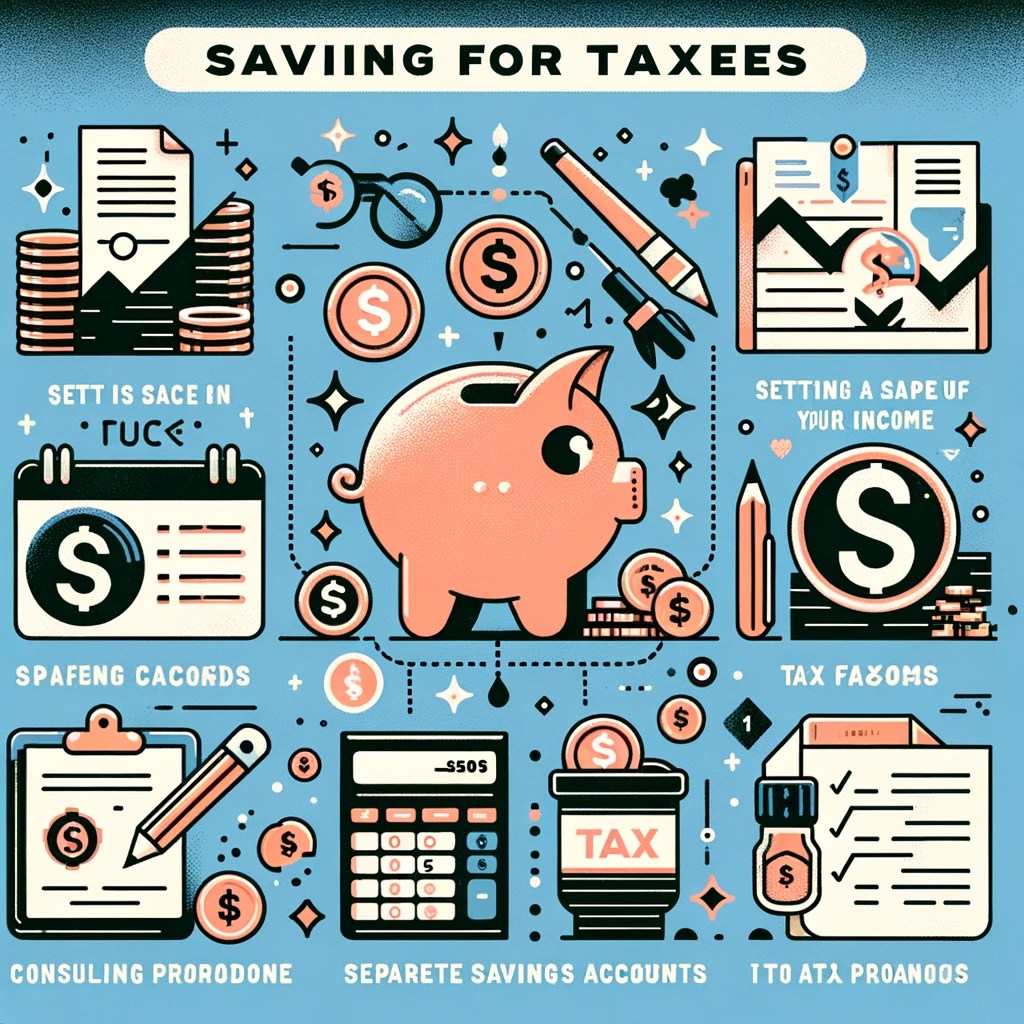
Taxes: As a freelancer, you’re responsible for calculating and paying your taxes. Setting aside a portion of each payment for taxes is essential to avoid surprises during tax season.
Budgeting Tools for Freelancers
1. Accounting Software: Tools like QuickBooks, FreshBooks, and Xero are designed for small business owners and freelancers. They can track income, expenses, and even help with tax preparation.
2. Spreadsheets: For those who prefer a hands-on approach, Excel or Google Sheets can be powerful tools for creating custom budgets.
3. Budgeting Apps: Apps like Mint, YNAB (You Need A Budget), and PocketGuard can link to your bank accounts, categorize expenses, and help you monitor your spending against your budget.

Tips for Effective Budgeting
1. Review and Adjust Regularly: Your budget is not set in stone. Review it monthly, adjusting for changes in income and expenses.
2. Prioritize an Emergency Fund: Aim to save at least three to six months’ worth of living expenses. This fund acts as a buffer during lean periods or unexpected expenses.
3. Invest in Growth: Allocate funds for professional development, such as courses, certifications, or attending conferences. Investing in yourself can lead to higher income opportunities.
4. Use Technology: Leverage budgeting tools and apps to streamline the process, from tracking expenses to automating savings.
5. Plan for Taxes: Work with a tax professional or use software to estimate and set aside money for taxes. This proactive approach prevents tax-related stress and financial strain.
Visualizing Your Budget
Incorporating visual aids, like graphs and charts, can make it easier to understand your financial situation. Here’s how:
- Income vs. Expenses Chart: A simple bar chart comparing your monthly income to your expenses can highlight your financial health at a glance.
- Expense Breakdown Pie Chart: Use a pie chart to visualize how different categories of expenses contribute to your total spending. This insight can help identify areas for cost-saving.
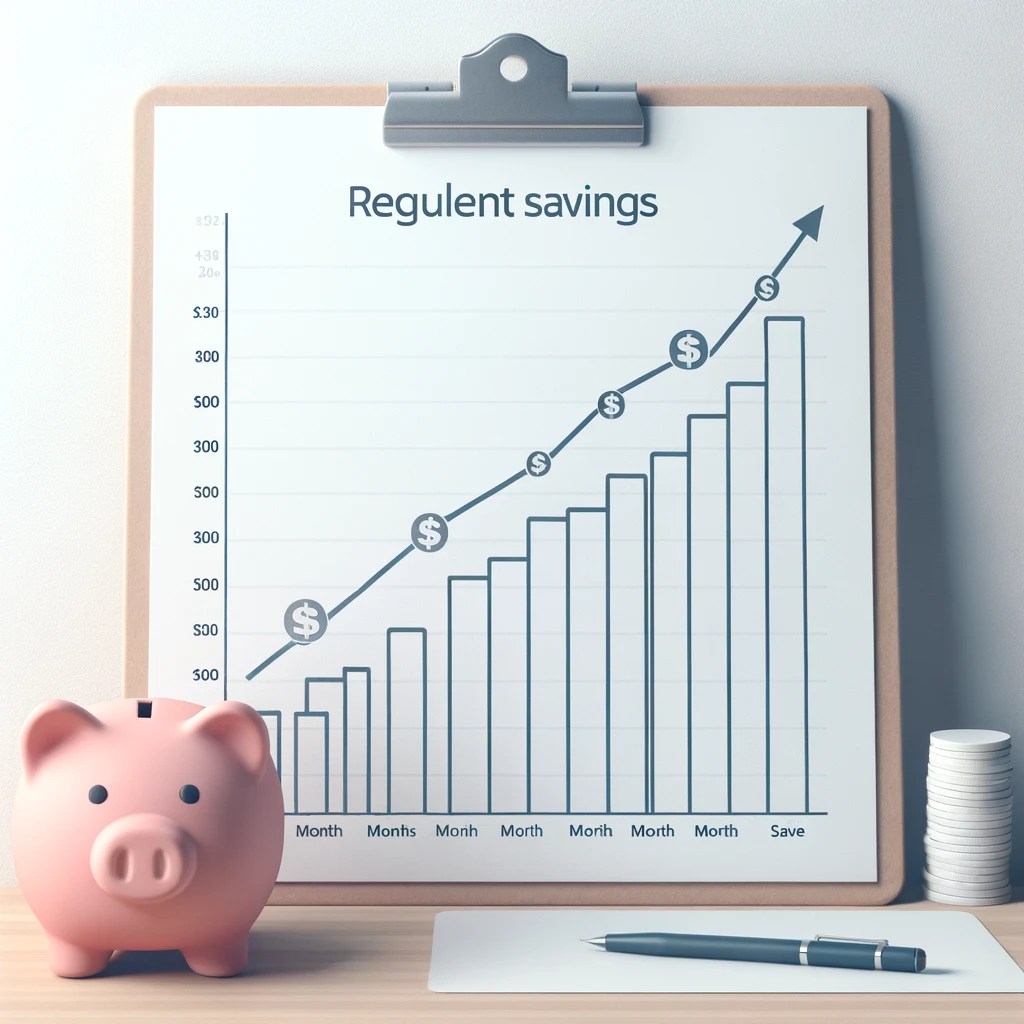
- Savings Growth Graph: A line graph showing the growth of your savings over time can be a motivational tool, emphasizing the value of consistent savings.
Final Words
Budgeting as a freelancer involves understanding your fluctuating income, categorizing your expenses, and using the right tools to keep track of your finances. By following these tips and leveraging technology, freelancers can create a budget that not only helps manage their money effectively but also supports their long-term financial goals.
Regular review and adjustment of your budget are crucial to adapt to the changing nature of freelance work, ensuring financial stability and growth.



 Sonia M. Rompoti, MSc, Bsc
Leave a reply to Essential Financial Advice for Small Business Owners: Strategies for Success Cancel reply