



In the realm of literature, diversity is not just a buzzword; it’s a bridge to understanding, empathy, and connection among the myriad cultures, identities, and experiences that compose the human tapestry. The importance of diverse representation in literature extends far beyond the pages of a book, influencing how we see ourselves and others in the world around us.
This article delves into the significance of diversity in literature, highlighting its impact on readers, authors, and society at large.

Broadening Perspectives
Diverse representation in literature serves to broaden the perspectives of readers by exposing them to lives, cultures, and experiences different from their own. It challenges preconceived notions and biases, fostering a deeper understanding and appreciation for the world’s multifaceted nature.
When literature mirrors the diversity of the human experience, it encourages empathy, promoting a more inclusive and compassionate society.
Enhancing Cultural Understanding
Books act as windows into other cultures, offering insights into customs, traditions, and ways of life that may be unfamiliar to us. This exposure is crucial in an increasingly globalized world where cross-cultural interactions are commonplace.
By reading stories from diverse perspectives, readers gain a more nuanced understanding of the complexities of different cultures, which can help to dispel stereotypes and reduce cultural appropriation.
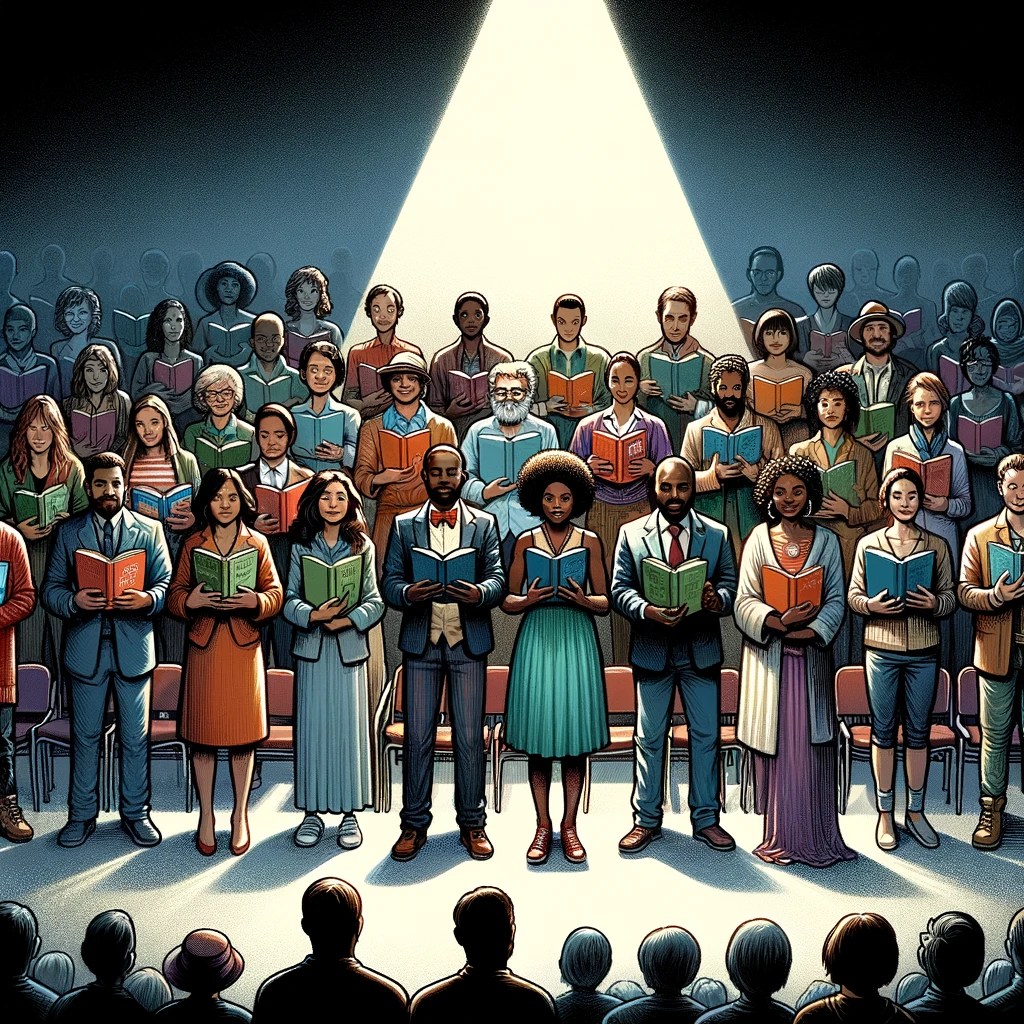
Empowering Underrepresented Voices
For too long, the literary world has been dominated by a narrow range of voices, often overlooking the rich narratives and experiences of marginalized communities.
Diverse representation in literature empowers underrepresented voices, giving them the platform to share their stories, perspectives, and truths. This not only enriches the literary landscape but also validates the experiences of those who have historically been silenced or marginalized.
Fostering Identity and Belonging
Seeing oneself reflected in literature can be a powerful experience, particularly for individuals from marginalized or underrepresented groups. It affirms their identities and experiences, contributing to a sense of belonging and self-esteem.
For young readers, in particular, diverse representation can play a critical role in their development, helping them to understand and embrace their own identities while respecting those of others.

Challenging the Status Quo
Diverse representation in literature challenges the status quo by questioning traditional narratives and introducing new, often marginalized perspectives.
This disruption is vital for the evolution of literature, pushing the boundaries of what is considered “normal” or “acceptable” and paving the way for more inclusive and equitable storytelling.
Enriching the Literary Canon
The inclusion of diverse voices and narratives enriches the literary canon, offering a more comprehensive and accurate reflection of the world. It challenges the notion of a monolithic “literary tradition” and opens up the canon to a multiplicity of voices, stories, and genres.
This diversity not only makes for more interesting and engaging reading but also contributes to a more inclusive and representative literary heritage.
Final Words
The importance of diverse representation in literature cannot be overstated. It plays a crucial role in broadening perspectives, enhancing cultural understanding, empowering underrepresented voices, fostering identity and belonging, challenging the status quo, and enriching the literary canon.
As readers, writers, publishers, and educators, we have a collective responsibility to advocate for and support diversity in literature. By doing so, we contribute to a more empathetic, inclusive, and enlightened world.



 Sonia M. Rompoti, MSc, Bsc
Leave a reply to Sonia M. Rompoti Cancel reply