

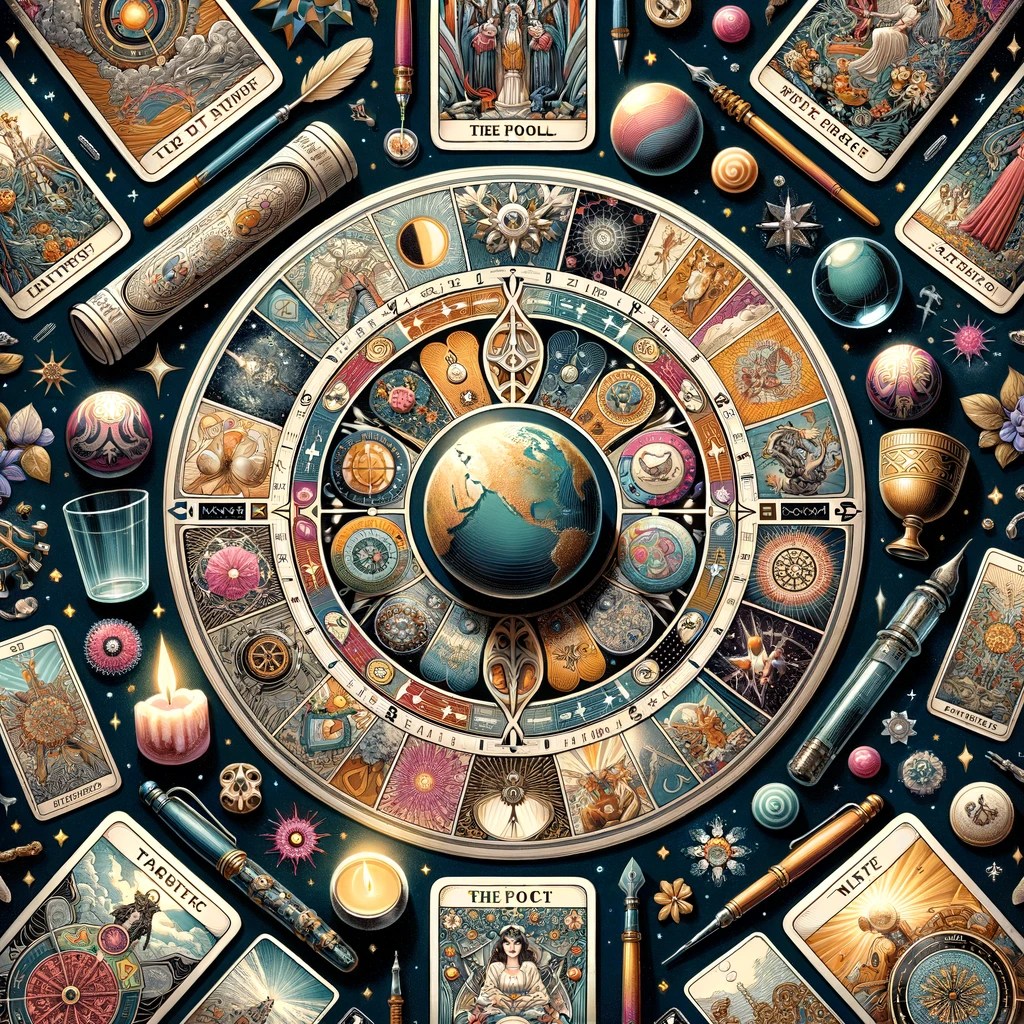
The history and psychological significance of Tarot cards present a fascinating intersection of mysticism, art, and psychology. This article aims to explore the evolution of Tarot cards from their inception to their current status as both a divinatory tool and a psychological instrument, highlighting their cultural and individual impact.
The Origins of Tarot Cards
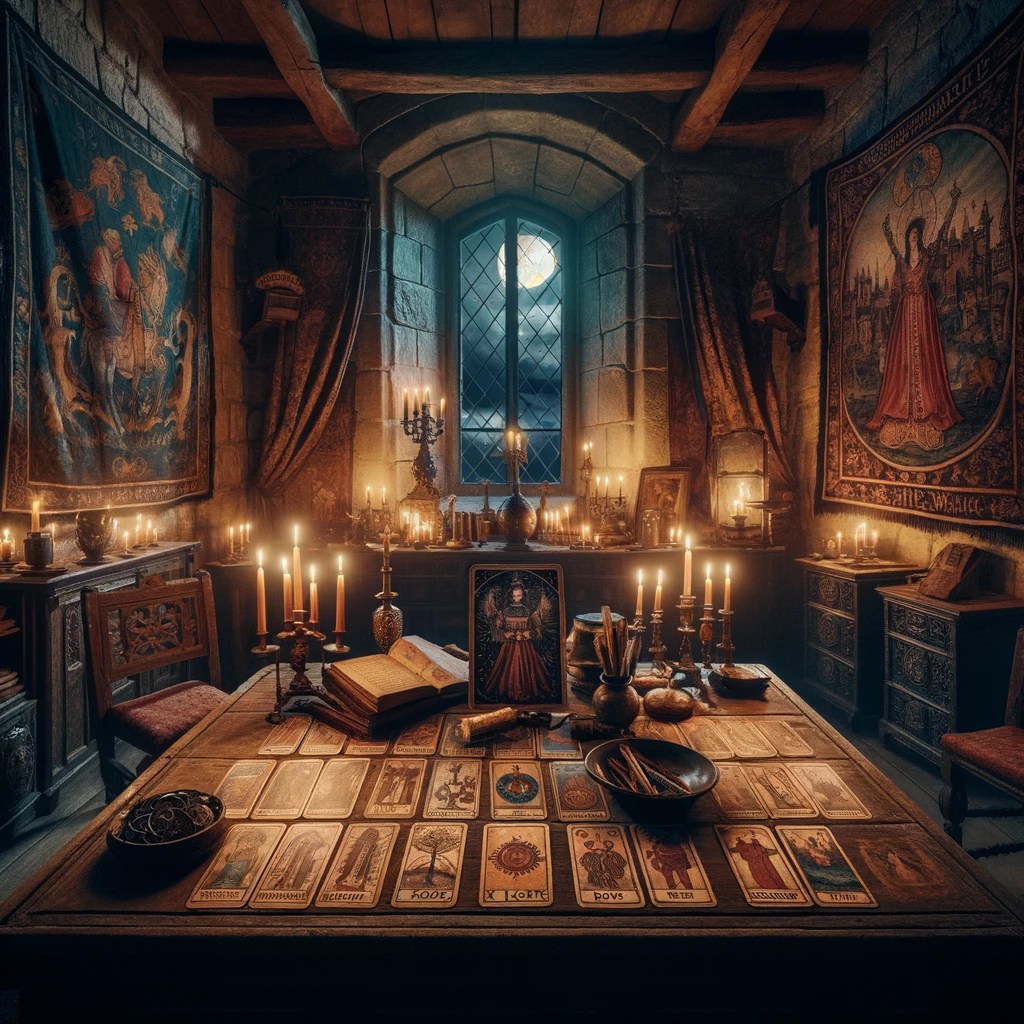
The origins of Tarot cards are somewhat shrouded in mystery, contributing to the allure and fascination surrounding them. The most credible evidence points to their inception in the 15th century in Europe, particularly Italy, France, and Austria. Originally, these cards were used for playing various card games, some of which are still played today, such as Tarocchini in Italy and Tarot in France.
The standard Tarot deck consists of 78 cards, divided into two main sections: the Major Arcana (22 cards) and the Minor Arcana (56 cards). The Major Arcana cards, with iconic images like The Fool, The Lovers, and Death, represent significant life themes and lessons. The Minor Arcana resembles a traditional deck of playing cards, divided into four suits (Cups, Pentacles, Swords, and Wands), each with ten numbered cards and four court cards. Each suit corresponds to an aspect of human experience, and the cards are interpreted based on their imagery, symbolism, and the position in which they appear during a reading.
Initially, Tarot cards were hand-painted and reserved for the nobility, making them a symbol of luxury and artistic expression. Over time, their use evolved beyond gaming into divination and mysticism. This transition likely occurred in the 18th century when they were adopted by mystics and occultists who saw deeper spiritual and predictive meanings in the cards’ illustrations and symbols.
The practice of Tarot reading gained significant momentum in the 19th and 20th centuries, especially within movements like the Hermetic Order of the Golden Dawn, which integrated Tarot into its mystical and ceremonial practices. A.E. Waite, a member of this order, and artist Pamela Colman Smith, created the Rider-Waite Tarot deck in the early 20th century, which remains one of the most popular Tarot decks in use today.
Despite their mystical and divinatory associations, Tarot cards are also appreciated as a form of storytelling, self-reflection, and psychological tool, offering insights into personal and collective human experiences. The rich symbolism and imagery of Tarot cards continue to inspire new interpretations and artistic renditions, making them a dynamic and evolving tool for exploration and introspection.
The imagery on these cards was heavily influenced by medieval and Renaissance Europe, incorporating religious and philosophical symbolism reflective of the era.
Tarot and Psychology
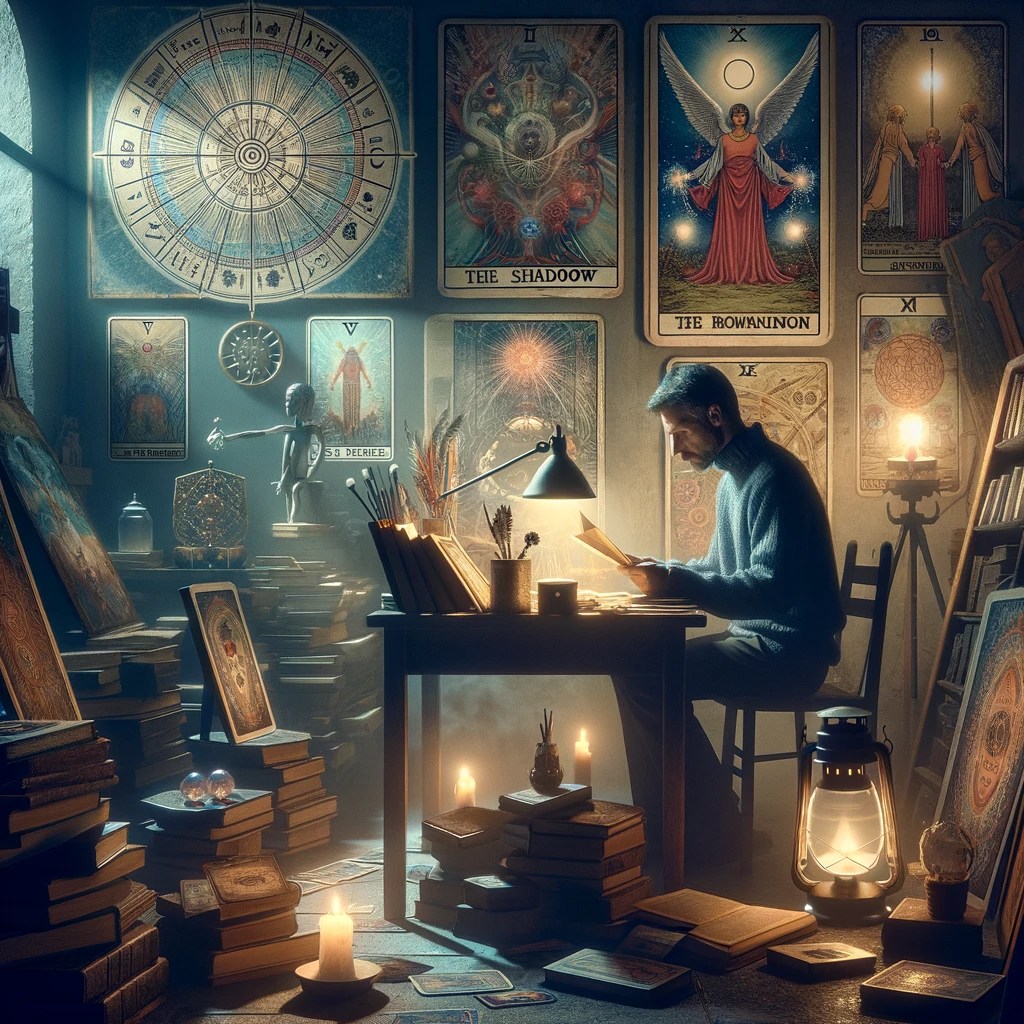
The intersection of Tarot and psychology is a fascinating area that explores how Tarot cards can be used as a tool for psychological insight and personal development. This approach views Tarot readings less as fortune-telling and more as a means of accessing the subconscious mind, stimulating intuition, and facilitating self-awareness and introspection.
Jungian Psychology and Archetypes
One of the key connections between Tarot and psychology is found in the work of Carl Jung, a Swiss psychiatrist and psychoanalyst who founded analytical psychology. Jung introduced the concept of archetypes, which are universal, archaic symbols and images that derive from the collective unconscious. He believed that these archetypes manifest in various aspects of culture, including religion, dreams, and literature.
The images and symbols on Tarot cards are often viewed as representations of these archetypes, making Tarot a rich resource for tapping into the collective unconscious and exploring personal and collective myths.
Reflective Tool for Insight
Tarot cards are used in psychology as a reflective tool to help individuals gain insight into their lives and decision-making processes. The imagery on the cards can prompt individuals to project their thoughts, feelings, and experiences onto the cards, thus facilitating a deeper understanding of their own subconscious mind.
This process can help individuals uncover hidden aspects of their personality, confront fears, and explore various facets of their life, such as relationships, career, and personal growth.
Therapeutic Use
Some therapists and counselors incorporate Tarot readings into their practice as a therapeutic tool to encourage clients to open up about their feelings and experiences. The cards can serve as conversation starters or as a non-threatening way to explore sensitive topics. By interpreting the cards’ meanings and symbols, clients can find alternative perspectives on their issues, enabling a more creative problem-solving approach. This method is not meant to replace traditional therapeutic techniques but can be used as a complementary approach to foster emotional and psychological well-being.
Ethical Considerations
It’s important to note that the use of Tarot in psychology should be approached with sensitivity and ethical considerations. Practitioners who incorporate Tarot into their professional work must be respectful of their clients’ beliefs and backgrounds and should clarify that Tarot readings are used here for self-exploration rather than predictive purposes.
The Cultural Significance of Tarot
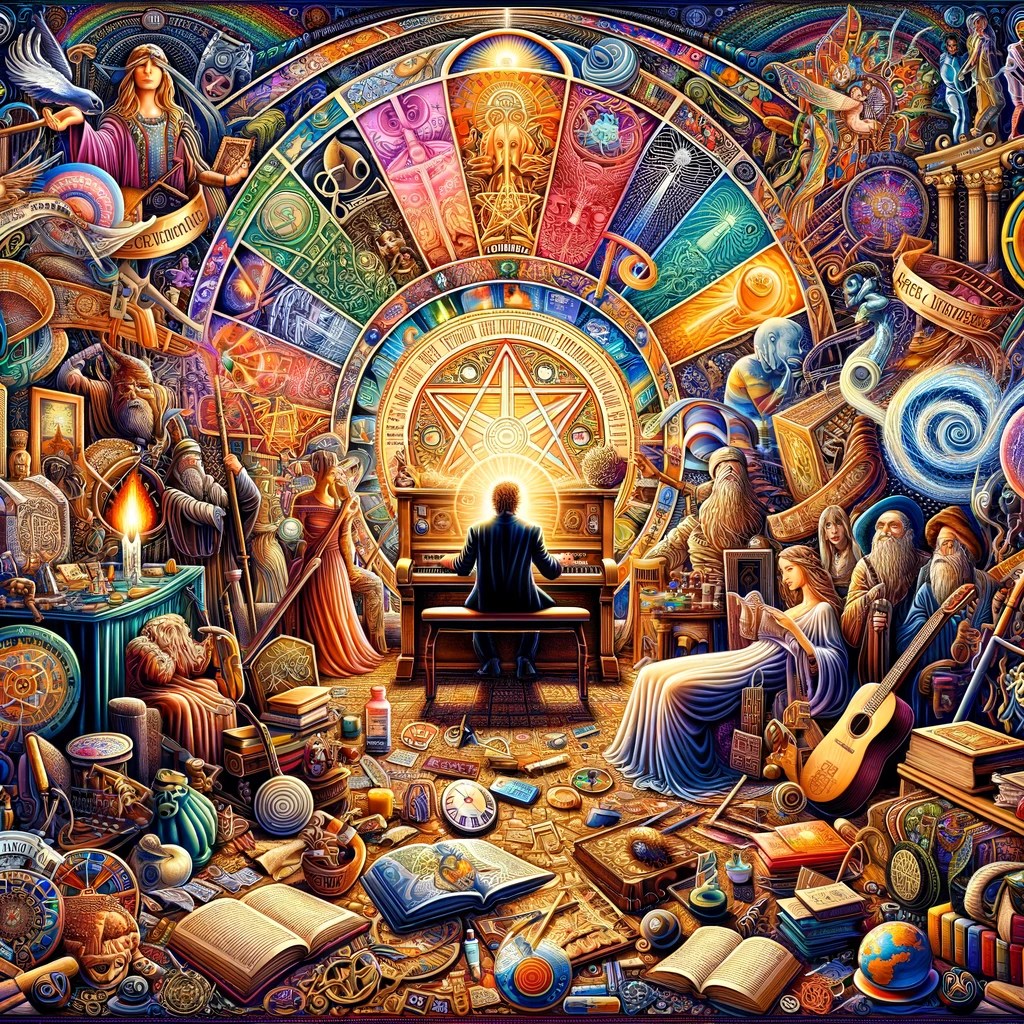
The cultural significance of Tarot cards extends far beyond their origins as a card game in the 15th century. Over time, Tarot has woven itself into the fabric of various cultures, influencing art, literature, music, and modern spiritual practices. Its rich tapestry of symbols, archetypes, and imagery offers a universal language that speaks to the human experience across different times and societies.
Historical Context
Originally used for playing games, the use of Tarot cards for divination began in the 18th century, marking a shift in their cultural significance. This transition mirrored broader societal changes, including the rise of occultism and a growing interest in mysticism and the esoteric. Tarot became a tool for seeking knowledge, understanding fate, and exploring the subconscious mind.
Art and Literature
Tarot’s impact on art and literature is profound, serving as inspiration for countless artists, writers, and creatives. Its symbolic imagery offers a rich visual language that has been explored in various artistic mediums, from painting and sculpture to digital art. In literature, Tarot themes and motifs appear in the works of many authors, where they are used to explore characters’ destinies, moral choices, and spiritual journeys. The archetypal nature of Tarot cards makes them a versatile tool for storytelling, embodying universal themes of love, conflict, transformation, and redemption.
Music and Performance
In music, Tarot has inspired compositions, albums, and performances, serving as a thematic element that adds depth and complexity to musical narratives.
Performers and bands across genres have used Tarot symbolism to explore personal and collective experiences, weaving these themes into their lyrics and personas.
Spirituality and New Age Practices
Tarot holds a significant place in modern spirituality and New Age practices, where it is used for personal growth, meditation, and as a psychic tool. It has become a key element in practices aimed at self-discovery, mindfulness, and connecting with one’s higher self or the universe.
The adaptability of Tarot allows it to be integrated with other spiritual practices, including astrology, numerology, and Kabbalah, making it a multifaceted tool for exploration and introspection.
Community and Identity
Tarot has also played a role in community building and identity formation, particularly within spiritual and esoteric circles. It provides a shared language and set of practices that foster a sense of belonging and connection among practitioners. For many, Tarot is not just a tool for divination but a way of life, shaping their worldview and spiritual practice.
Global Spread and Diversification
The global spread of Tarot has led to a diversification of decks and interpretations, reflecting the cultural, historical, and social contexts of their creators. This diversity enriches the Tarot tradition, offering a wide range of perspectives and voices.
From traditional decks like the Rider-Waite-Smith to culturally specific and thematic decks, Tarot continues to evolve, mirroring the changing dynamics of society.
Tarot in Practice
Using Tarot cards can be a deeply personal and enriching experience, whether you’re seeking insight, guidance, or simply exploring the deck for creative inspiration. Here’s a basic guide on how to use Tarot cards:
1. Choose Your Deck
Start by selecting a Tarot deck that resonates with you. There are many different decks available, each with its own artwork and interpretation of the cards. The Rider-Waite deck is a classic and widely used option for beginners due to its clear symbolism and extensive resources for interpretation.
2. Familiarize Yourself with the Deck
Spend some time getting to know your deck. Look through the cards, noting the imagery, symbols, and feelings they evoke. You might want to start by learning about the Major Arcana, which represents significant life themes and lessons, before moving on to the Minor Arcana, which deals with day-to-day matters.
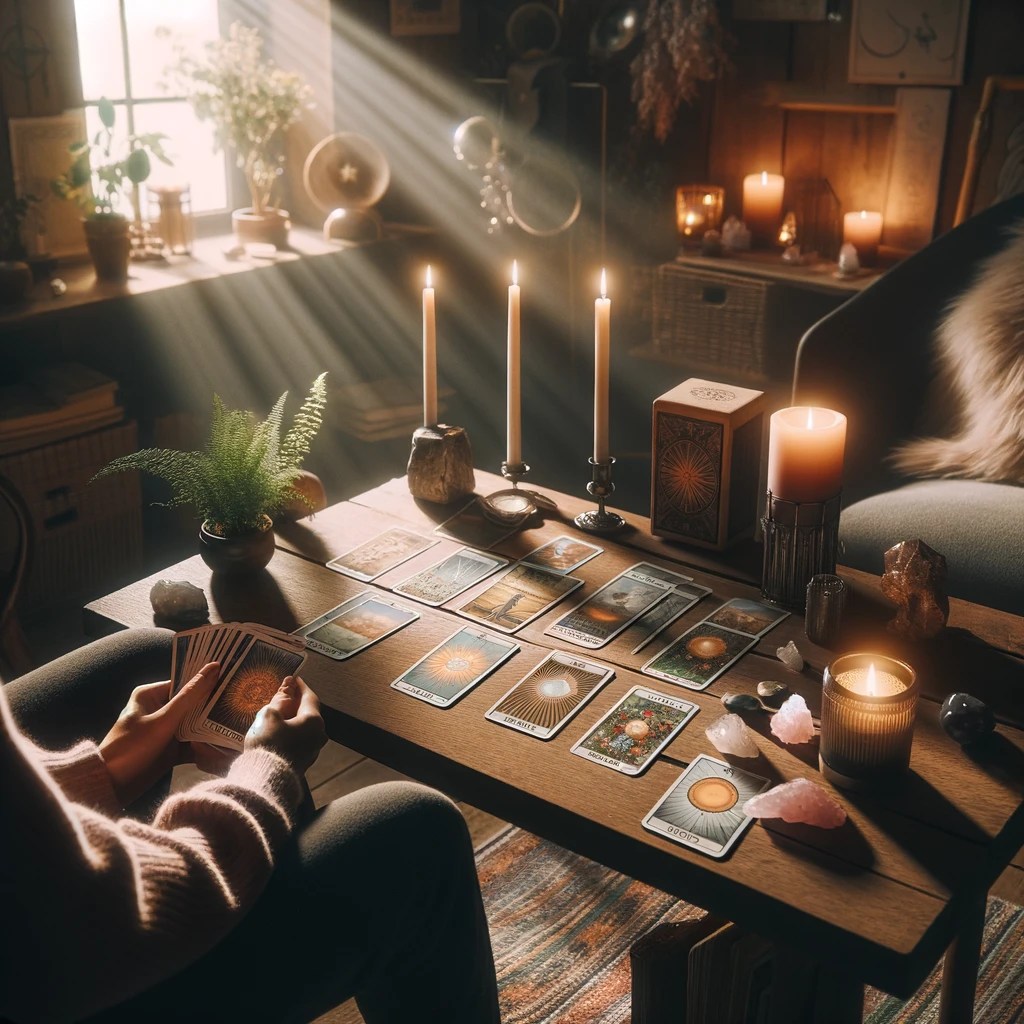
3. Create a Peaceful Environment
Find a quiet, comfortable space where you can focus without interruptions. Some people like to create a ritualistic setting by lighting candles, burning incense, or playing soft music to help create a peaceful atmosphere.
4. Shuffle the Cards
Shuffle the cards to mix their energy and think about the question or situation you’re seeking guidance for. There’s no right or wrong way to shuffle; do whatever feels right for you.
5. Ask a Question
Formulate a clear, open-ended question. Avoid yes/no questions, as Tarot is better suited to exploring the nuances of a situation. Focus on questions that start with “how,” “what,” or “why” to get deeper insights.
6. Draw the Cards
There are many spreads to choose from, ranging from simple one-card draws to more complex layouts like the Celtic Cross. For beginners, a one-card or three-card spread (representing past, present, and future) can be a good start. Lay out the cards face down and draw the number of cards your chosen spread requires.
7. Interpret the Cards
Turn over the cards and observe them. Note your initial reactions to the imagery and how they might relate to your question. Each card has a traditional meaning, but your personal interpretation is also significant. Consider the symbols, colors, and figures on the cards, and how these elements can be applied to your situation.
8. Reflect and Record
Spend some time reflecting on the reading. It can be helpful to journal about your thoughts and feelings regarding the cards’ messages and how they apply to your life. This can deepen your understanding and provide insights to look back on.
9. Closing the Reading
Thank the cards for their guidance and gather them up. Some people like to cleanse their deck after a reading by shuffling the cards or placing a crystal on top of the deck.
Practice and Patience
Learning Tarot takes time and practice. Don’t be discouraged if the meanings aren’t clear at first or if the interpretations don’t seem to make sense. Keep practicing, studying the cards, and using them in a way that feels meaningful to you. Over time, you’ll develop a deeper connection with your deck and a more intuitive understanding of the cards.
Remember, Tarot is a tool for insight, not a definitive answer. It’s meant to guide and provide perspective rather than predict the future with certainty. Use the cards as a way to explore possibilities and empower yourself to make choices that align with your personal journey.



Leave a Reply