



In Greece, the custom of wearing a bracelet made from red and white string or yarn, twisted or braided together, from the 1st to the end of March is known as “Martis” (Μάρτης).
This tradition is deeply rooted in ancient Greece, specifically linked to the Eleusinian Mysteries. Initiates of these mysteries would tie a piece of yarn, known as “Kroke,” around their right wrist and left ankle.

The Tradition Today
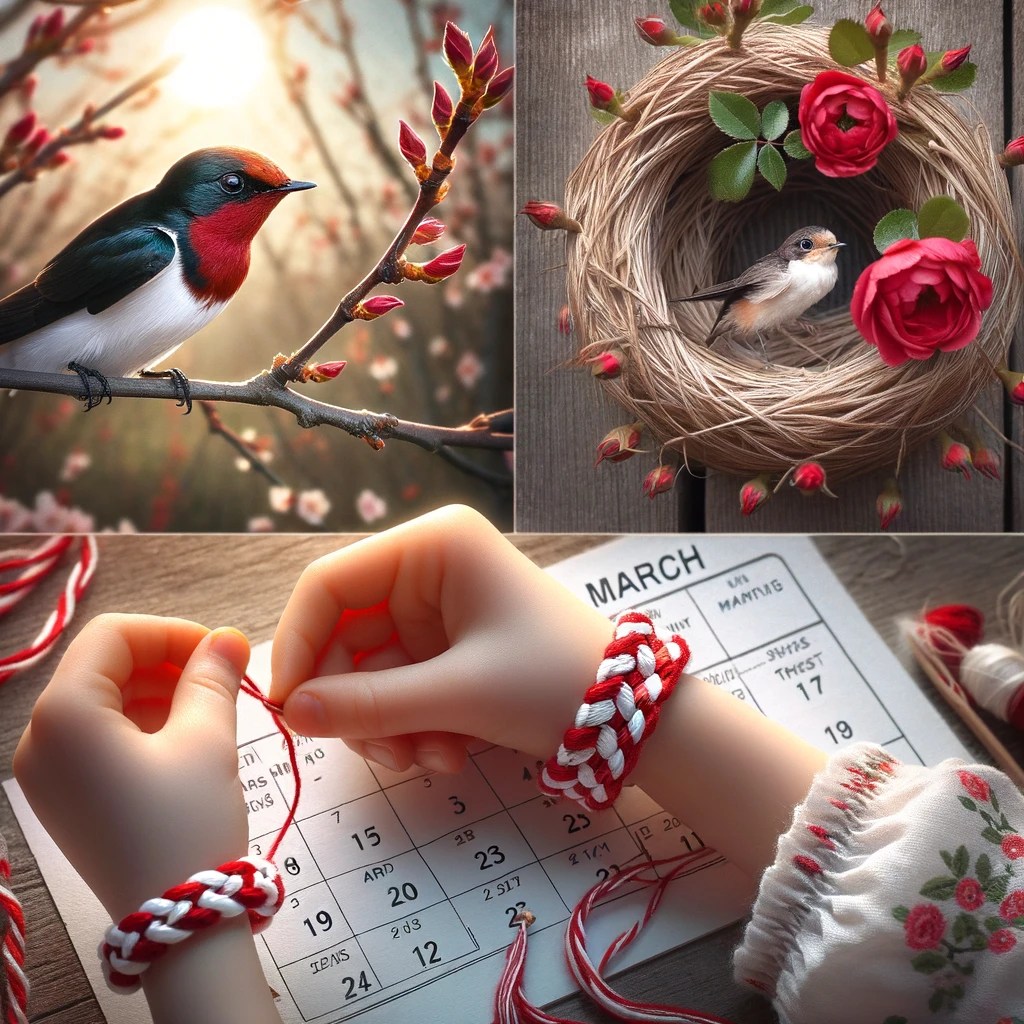
Today, throughout the entire month of March, both children and adults wear a bracelet on their wrist, made from twisted white and red yarn. According to folklore, Martis protects people, especially children, from the first sun of spring, preventing sunburn. This bracelet is crafted on the last day of February and worn on the first day of March, before leaving the house.
At the month’s end, it is a common practice to remove the bracelet and place it on rose bushes when the first swallow is seen, allowing birds to use it to build their nests.
Interpretation
Wearing Martis, particularly by young children, is believed to protect against diseases or from being “burned” by the sun or “caught by the evil eye.” The colors white and red frequently appear in superstitions aimed at warding off evil.
Artemidorus in “Oneirocritica” relates various wreaths of witches, while Virgil in “Eclogues” mentions multicolored threads wrapped around a lover’s effigy to enchant them. Petronius and Byzantine texts mention the use of dyed thread against the evil eye. In ancient Eleusinian mysteries, young initiates wore crocuses on their right hand and foot, indicating the antiquity of similar customs.
As March leaves, in central Greece at least, the bracelet was traditionally hung on the highest branch of trees near homes with swallow nests, marking the month of spring migration of birds from the African continent to Greece and the Balkans. These birds often carry diseases from warmer climates, which can flourish with the increased humidity of spring.
Folklore advises children to respect, love, and not disturb swallows, as they were considered “domesticated” birds that built their nests on house walls, helping to control insects, particularly mosquitoes, harmful to humans.

Final Thoughts
The tradition of wearing Martis is a rich cultural practice, spanning across several countries and rooted in ancient customs. It symbolizes protection, health, and the welcoming of spring, connecting us with nature and the past.
Whether in Greece or the Balkans, this vibrant tradition continues to be a cherished part of welcoming spring.



 Sonia M. Rompoti, MSc, Bsc
Leave a reply to Yildrim0366 Cancel reply