



Childhood is often romanticized as a carefree and joyful time. Yet, for many children, the reality is starkly different. Anxiety, a pervasive and often misunderstood issue, affects a significant number of children worldwide.
As we delve into this sensitive topic, our aim is to shed light on the nuances of childhood anxiety, offering insights for parents, educators, and caregivers to better understand and support anxious children.
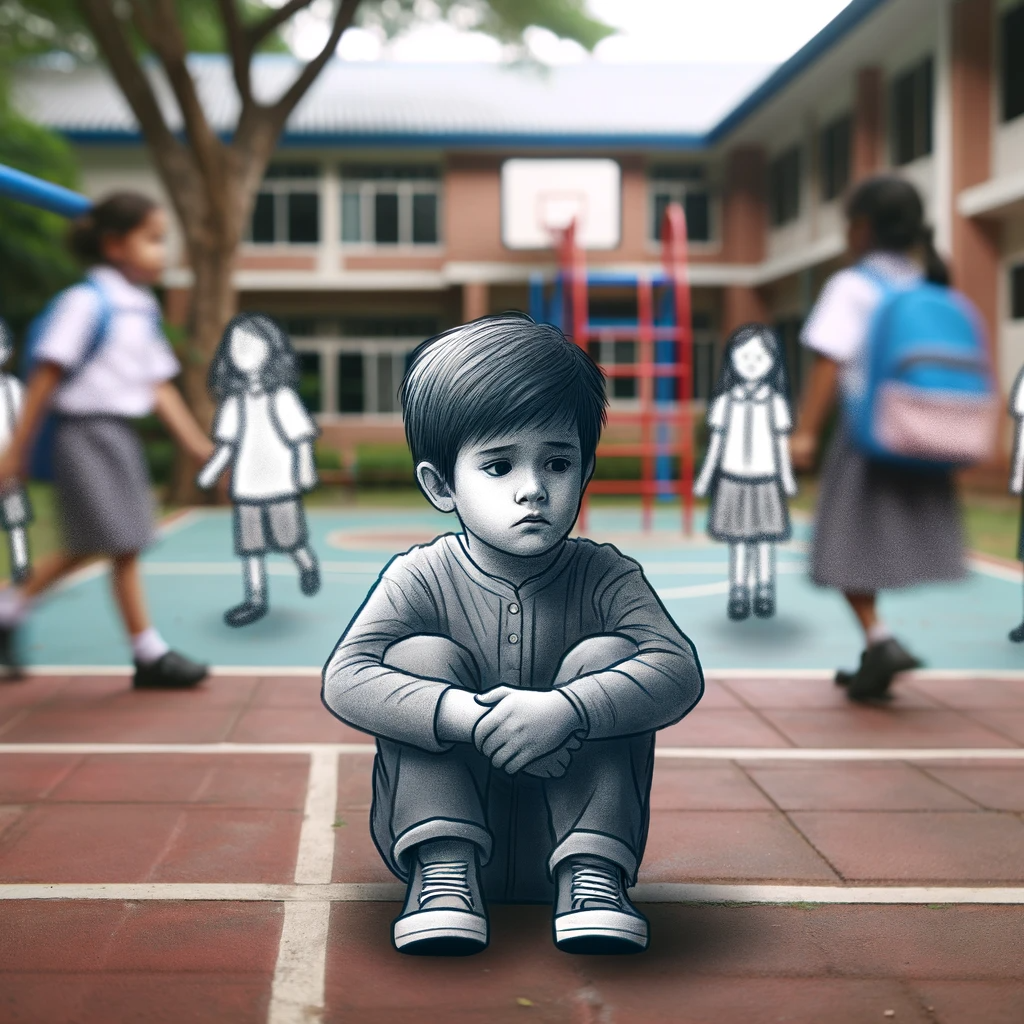
What is Childhood Anxiety?
Anxiety in children manifests as an intense, persistent feeling of fear or worry about everyday situations. Unlike the occasional nervousness or fear that is a normal part of growing up, anxiety in children can be overwhelming and crippling, affecting their daily functioning.
Recognizing the Signs
Children may not always articulate their feelings of anxiety, making it crucial for adults to recognize the signs. Common indicators include:
- Excessive worry about routine activities or events
- Physical symptoms like headaches or stomachaches
- Avoidance of certain places or activities
- Sleep disturbances
- Changes in eating habits
- Irritability or mood swings

Understanding the Causes
The roots of childhood anxiety are diverse, ranging from genetic predisposition to environmental factors. Stressful life events, such as a family divorce, death of a loved one, or bullying, can also trigger anxiety. In some cases, children may internalize the anxieties of their caregivers.
Impact on Development
Anxiety can have profound impacts on a child’s development. It can hinder social interactions, academic performance, and overall well-being. An anxious child might withdraw from activities they previously enjoyed or struggle to make friends, leading to a sense of isolation.

Strategies for Support
- Open Communication: Encourage children to express their feelings. Listen without judgment and validate their emotions.
- Routine and Predictability: Establishing a consistent routine can provide a sense of security.
- Mindfulness and Relaxation Techniques: Teach children simple breathing exercises or mindfulness activities to help manage anxiety.
- Professional Support: In cases of severe anxiety, seeking help from a child psychologist or therapist trained in cognitive-behavioral therapy (CBT) can be beneficial.
Coping Tools for Children
Equip children with coping strategies to manage anxiety. This can include:
- Positive self-talk
- Visualization techniques
- Identifying and challenging negative thoughts
Role of Schools and Educators
Schools play a pivotal role in supporting anxious children. Educators can:
- Create a safe and inclusive classroom environment

- Be aware of the signs of anxiety and refer to school counselors when necessary.
- Implement classroom activities that promote mindfulness and stress management.
Parental Involvement
Parents are instrumental in helping children navigate their anxiety. This includes:
- Creating a supportive home environment
- Encouraging open discussions about feelings and fears
- Modeling healthy coping strategies
- Collaborating with educators and mental health professionals
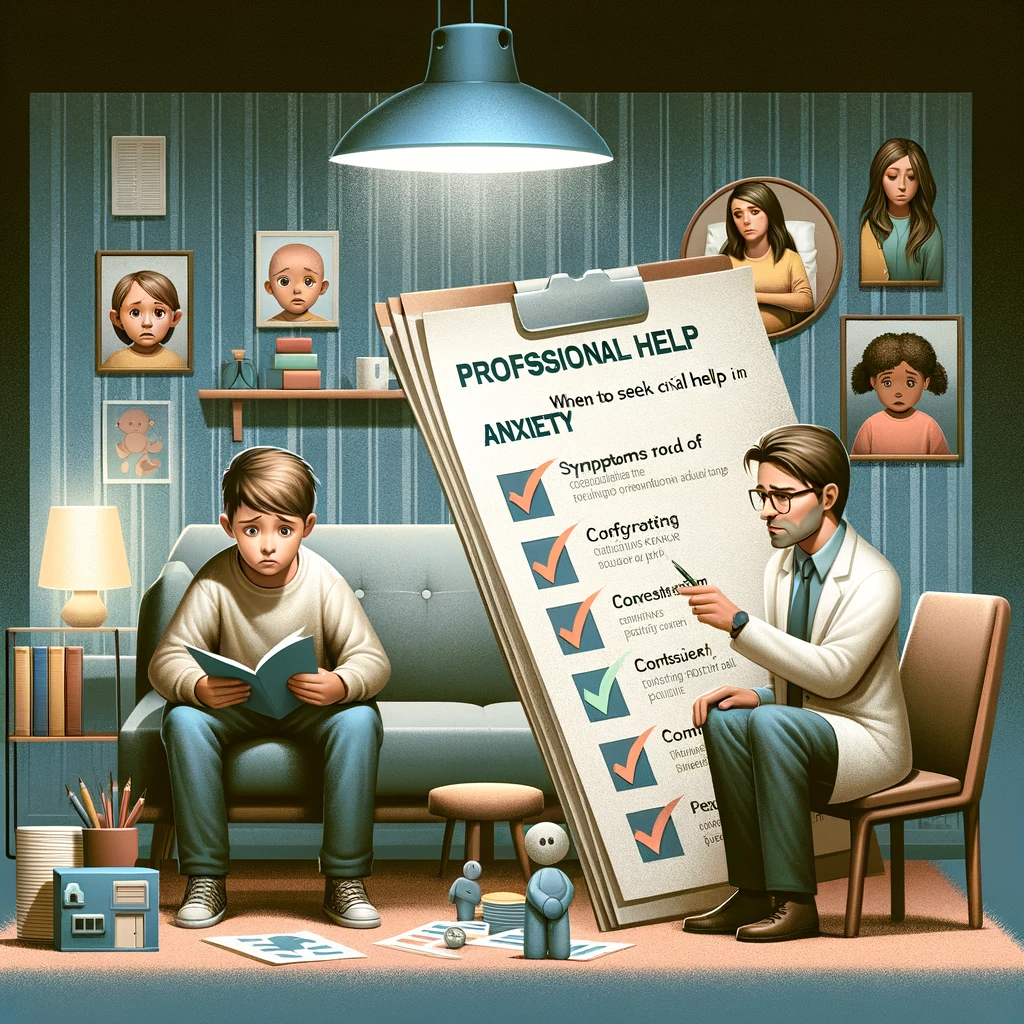
When to Seek Professional Help
It is essential to seek professional help if a child’s anxiety:
- Persists for an extended period
- Interferes significantly with daily activities
- Leads to severe physical symptoms or distress

Personal Reflections on the Roots of Childhood Anxiety
In pondering the rise of childhood anxiety, I can’t help but reflect on the drastic shifts in the way children are raised today. It seems almost inevitable that we are nurturing a generation of adrenaline junkies and anxious kids, and the reasons are deeply rooted in their everyday lives.
The modern lifestyle, with its rapid pace and high demands, leaves little room for the unstructured, energetic play that children inherently need. Gone are the days when kids would spend hours outdoors, climbing trees, and exploring their neighborhoods. Instead, their lives are tightly scheduled, dominated by long hours of sitting in classrooms and engaging in structured activities. This lack of physical activity and freedom to explore is not just a minor issue; it’s a fundamental deviation from the natural developmental needs of children.
Moreover, the time for unstructured play and physical activity is further squeezed out by the demands of homework and extracurricular activities. When kids finally get home, often they find their parents too drained from their own demanding routines to engage actively with them or take them to parks and playgrounds. This absence of active parental involvement and the scarcity of opportunities for physical exertion leave children with pent-up energy and emotions, potentially leading to anxiety and restlessness.
We must also consider the role of technology in this equation. Children are increasingly turning to screens for entertainment, often as a default activity, due to the lack of other options or parental engagement. This not only limits their physical activity but also their opportunity for social interaction and the development of coping skills through real-world experiences.
The culmination of these factors – the high demands of the educational system, the absence of unstructured play, the limited physical activity, and the overreliance on technology – sets the stage for an overanxious and possibly overmedicated generation. We are inadvertently creating an environment where anxiety is not just a possibility, but almost an expected outcome. This does not have to be the case.
As a society, we need to reevaluate our priorities and the structure of our children’s lives. There needs to be a conscious effort to create balance – to reintroduce the elements of free play, physical activity, and genuine downtime into their daily routines. Only then can we hope to address the root causes of anxiety in children and foster a healthier, more balanced next generation.
Understanding and addressing childhood anxiety is a collaborative effort involving parents, educators, and mental health professionals. By recognizing the signs, offering support, and implementing effective strategies, we can create a nurturing environment where children learn to manage their anxiety and thrive.
Anxiety in children is a complex issue, but with the right support and understanding, it can be managed effectively. As we continue to break down the stigmas surrounding mental health, let’s remember that every child deserves a chance to experience the joy and wonder of childhood, free from the crippling effects of anxiety.



 Sonia M. Rompoti, MSc, Bsc
Leave a reply to Understanding Childhood Anxiety: Navigating the Hidden Struggles of Our Youngest – Emmanuel oluwafemi Cancel reply