


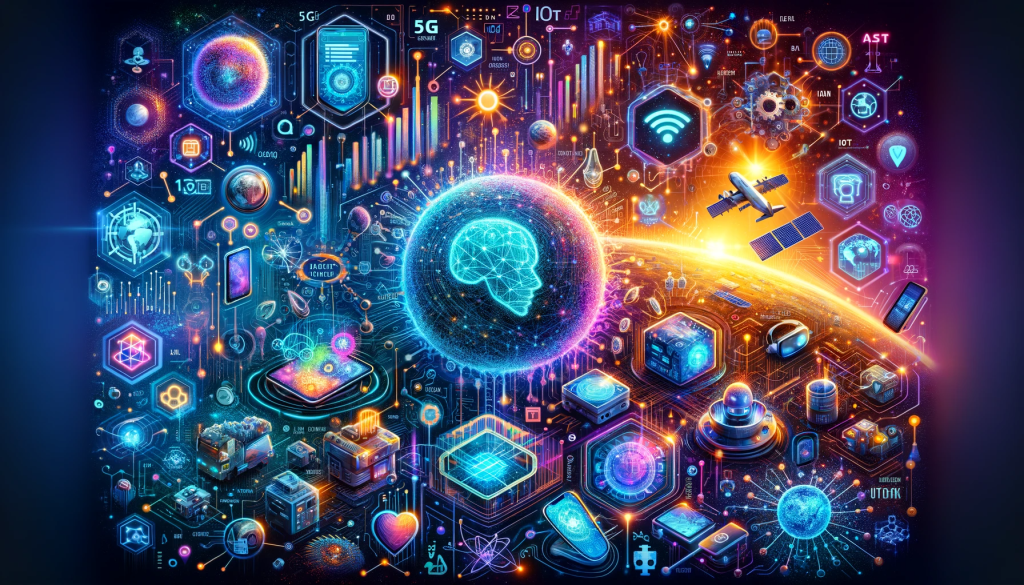
As we embrace the new year, the technology landscape continues to evolve at a breakneck pace. Innovations that once seemed like science fiction are now becoming reality, reshaping our world in profound ways.
This article delves into the key technology trends set to define the upcoming year, offering insights into how these developments could transform industries, influence consumer behavior, and impact our daily lives.
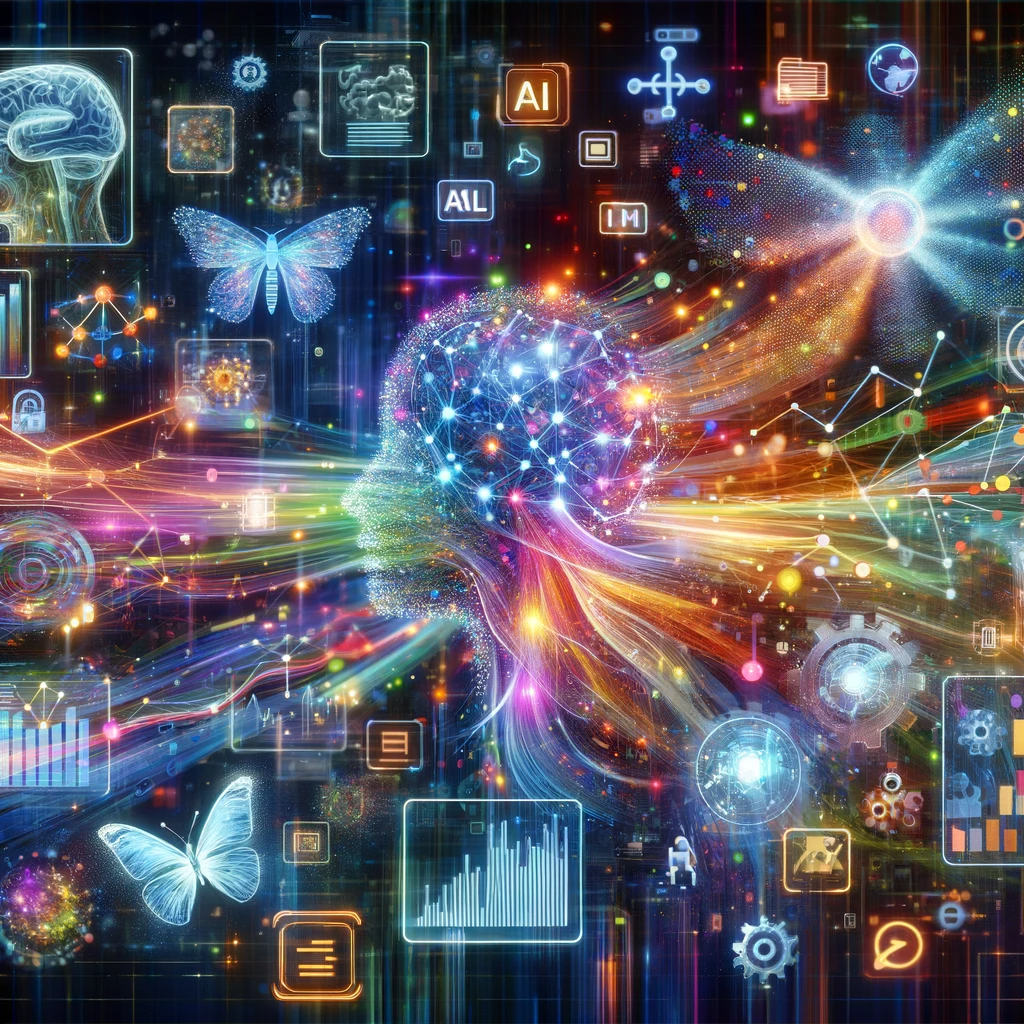
Artificial Intelligence (AI) and Machine Learning (ML) Expansion
AI and ML are not new, but their applications continue to expand into new realms. From enhancing customer service through chatbots to revolutionizing healthcare with predictive analytics, these technologies are making waves. In the coming year, expect to see AI and ML integration in more sectors, including finance, education, and manufacturing.
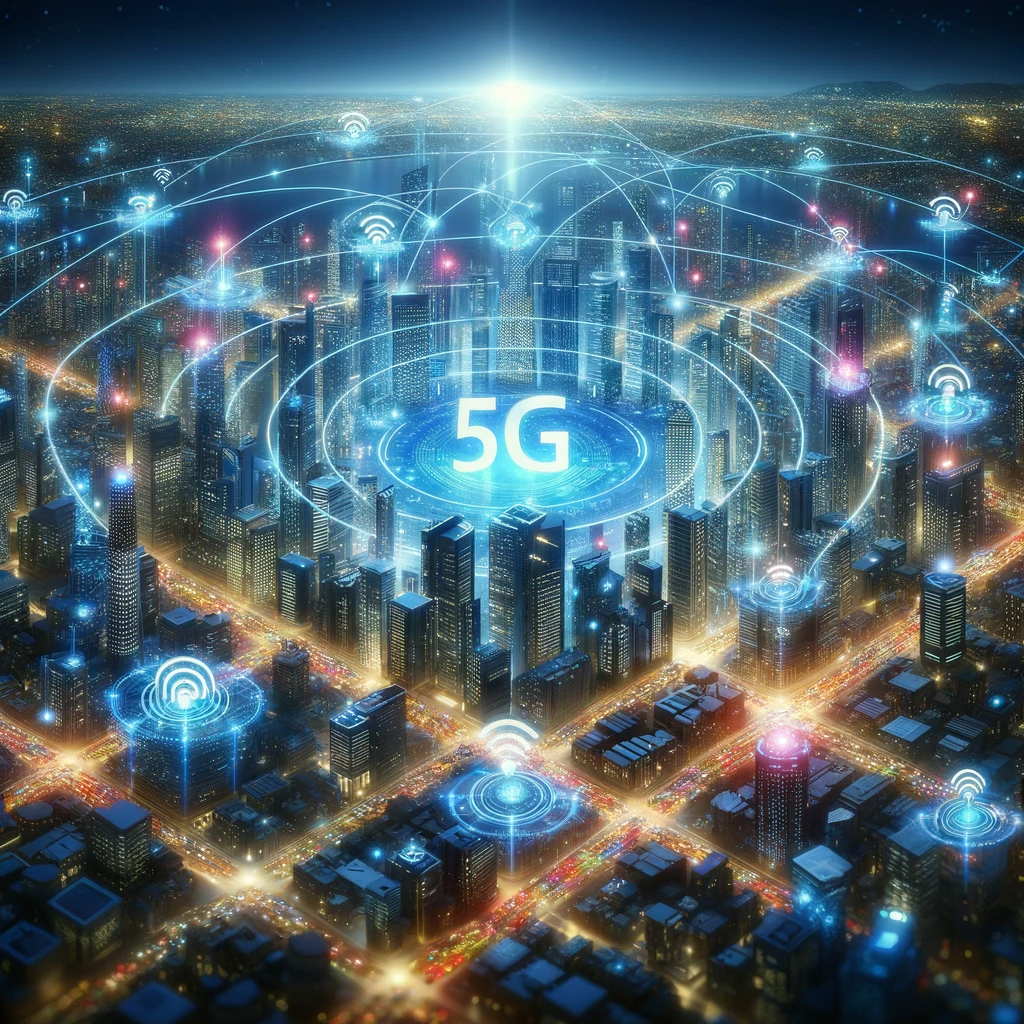
The Rise of 5G Connectivity
5G technology is set to take the world by storm. With its promise of faster internet speeds, lower latency, and improved connectivity, 5G will be a game-changer for everything from mobile gaming to telemedicine.
The new year will likely see widespread adoption of 5G, opening up new opportunities for businesses and consumers alike.

The Internet of Things (IoT) and Smart Environments
IoT continues to grow, with more devices becoming interconnected. This trend is leading towards the creation of smarter homes, offices, and even cities. IoT’s expansion will bring more convenience and efficiency, but also raises important questions about privacy and security.

Blockchain Beyond Cryptocurrency
Blockchain is often associated with cryptocurrencies like Bitcoin. However, its potential extends far beyond digital currencies. From supply chain management to secure voting systems, blockchain technology promises enhanced security and transparency in various domains.

Sustainable Tech and Green Computing
As environmental concerns mount, technology is playing a crucial role in sustainability efforts. Expect to see more innovations in renewable energy, sustainable gadgets, and green computing practices. These developments not only help protect the planet but also offer economic benefits by reducing operational costs.

Virtual Reality (VR) and Augmented Reality (AR) in Education and Training
VR and AR are set to revolutionize learning and skill development. These immersive technologies offer unique opportunities for remote learning, practical training simulations, and interactive educational experiences.

Cybersecurity in the Age of Increased Digital Reliance
As digital reliance grows, so does the importance of cybersecurity. The new year will likely see enhanced focus on securing networks, data, and personal information, with AI playing a key role in cybersecurity solutions.
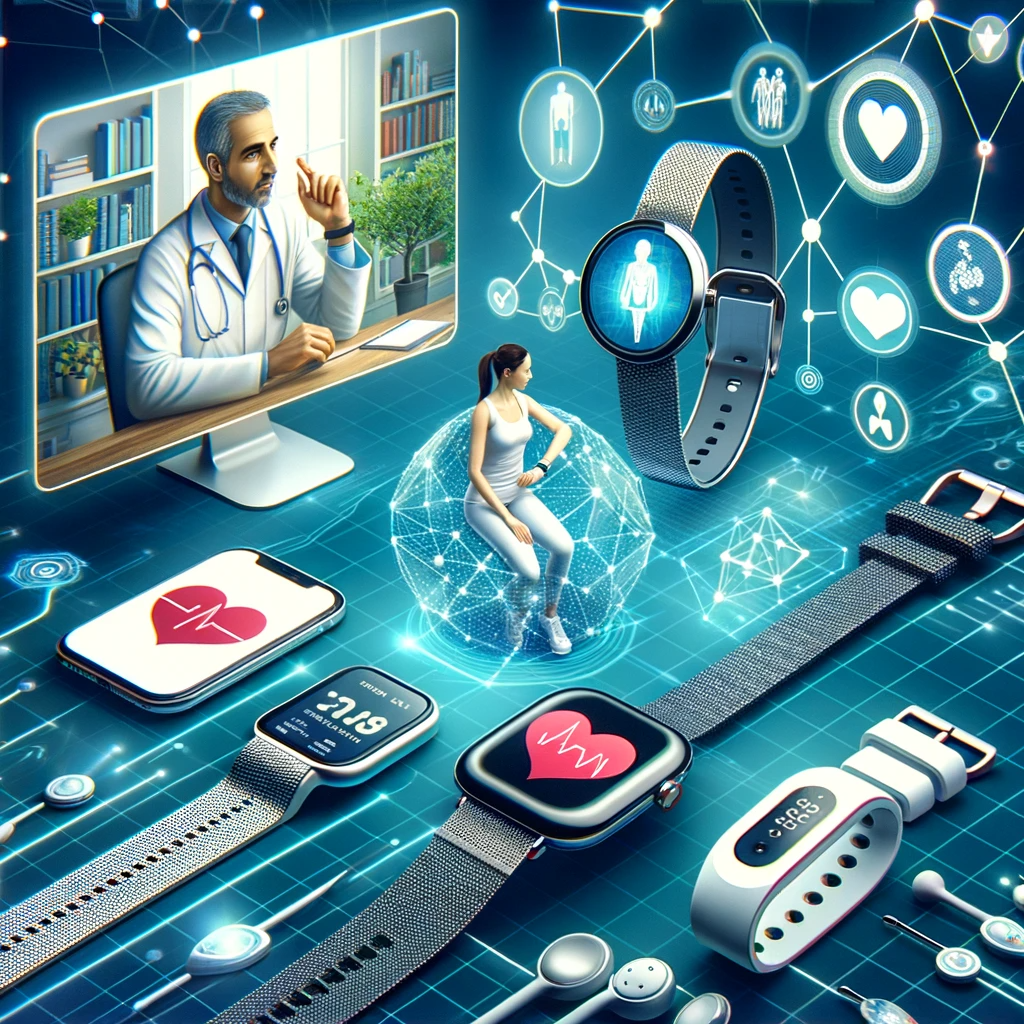
8. The Expansion of Telehealth and Digital Healthcare The healthcare sector is increasingly turning to digital solutions. Telehealth services, wearable health monitors, and AI-driven diagnostics are just a few examples of how technology is transforming healthcare.
Personal Thoughts on the Matter at Hand
As we stand on the brink of these technological leaps, I find myself both exhilarated and contemplative. The advancements in AI, 5G, IoT, and other fields promise a future of unprecedented efficiency and connectivity. Yet, as a psychologist, I’m acutely aware of the human element in this technological evolution. My excitement is tempered with a sense of responsibility; how will these technologies affect our mental well-being, our social interactions, and our understanding of the world?
I believe that as we forge ahead into this brave new world of technology, we must do so with a mindful approach. The integration of VR and AR in education, for instance, offers incredible opportunities for immersive learning but also poses questions about the impact on children’s cognitive development and social skills. Similarly, while digital healthcare can vastly improve access and efficiency, it’s crucial to consider the implications for patient privacy and the doctor-patient relationship.
In the realm of AI and cybersecurity, the ethical considerations are profound. We are delegating more of our decision-making to algorithms – a move that requires rigorous oversight to ensure fairness and transparency. The cybersecurity advancements, while essential in protecting our digital lives, also remind us of the vulnerabilities inherent in our interconnected world.
Ultimately, I view these tech trends with cautious optimism. As a society, we stand to gain immensely from these developments, but this journey also demands a deep engagement with the ethical, psychological, and social dimensions of technology. It’s a journey I look forward to, armed with both hope and a critical eye towards the future we’re building.



 Sonia M. Rompoti, MSc, Bsc
Leave a reply to jamesitserviceguru Cancel reply