



People often ask what it means when I say I write romance “through the lens of psychology.” They usually expect something clinical. Diagnoses. Attachment breakdowns. Technical language hidden in chapter three.
It’s not that.
It’s deeper — and subtler.
Having an MSc in Psychology doesn’t mean I turn my novels into therapy sessions. It means I pay attention differently. I listen differently. I build differently.
Because love stories are not just about attraction.
They’re about pattern.
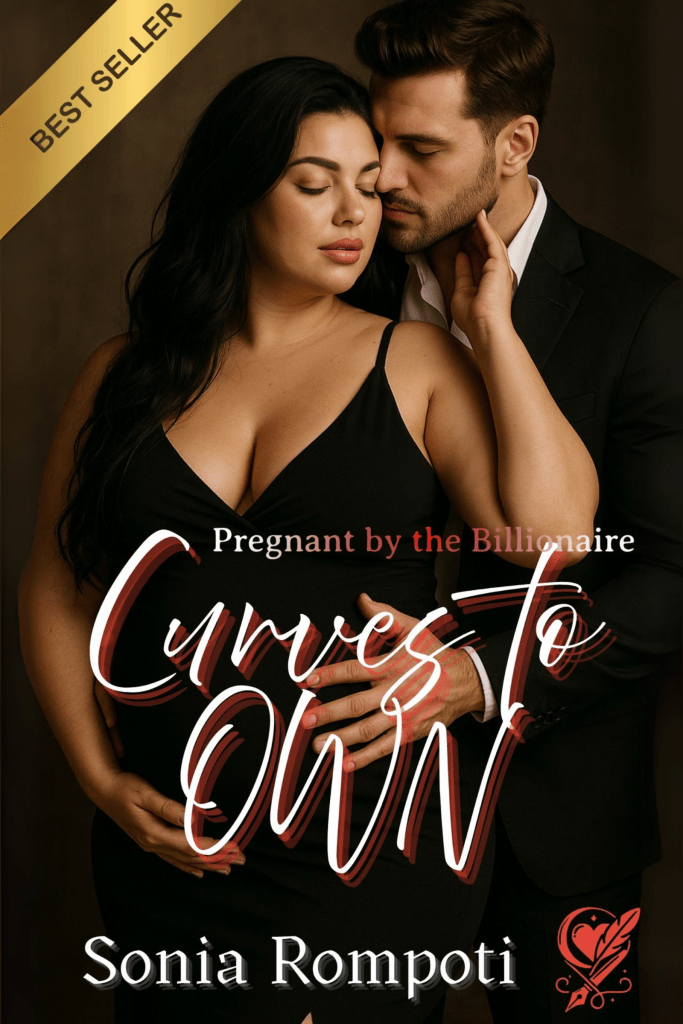
Characters Don’t Just Fall in Love — They React
Most romance plots revolve around tension.
They meet.
They clash.
They misunderstand.
They desire.
They retreat.
They risk.
But underneath those beats, something else is happening.
Each character is reacting based on internal scripts. Scripts shaped by:
Past relationships.
Family dynamics.
Early attachment.
Beliefs about worth.
Fear of abandonment.
Fear of engulfment.
Fear of not being chosen.
We all carry them.
And when I write, I don’t just ask:
“What would be dramatic here?”
I ask:
“What would feel true for someone with this history?”
That’s where psychology changes the texture of a story.
Attachment Isn’t a Buzzword — It’s a Pulse
You can tell when a romance understands attachment theory even if it never names it. Anxious characters don’t just “cling.” They crave reassurance because uncertainty feels unsafe. Avoidant characters don’t just “pull away.” They regulate overwhelm through distance. Secure characters don’t just “love easily.” They tolerate discomfort without fleeing.
When two characters fall into tension, the friction is not random. It emerges from how each protects themselves.
And when those protection strategies soften — when someone learns to stay, to express, to tolerate intimacy — that’s the real arc.
Not just “they kissed.”
But “they grew.”
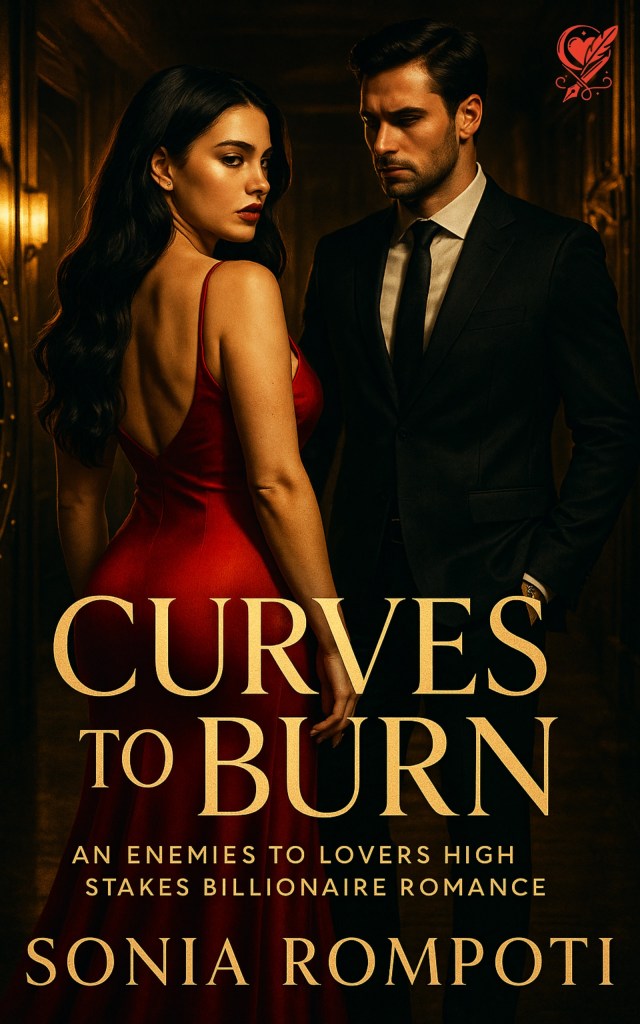
Emotional Realism Is Sexier Than Drama
There’s a difference between chaos and complexity.
Chaos is loud.
Complexity is layered.
In real life, people rarely blow up in dramatic speeches. They hesitate. They miscommunicate. They shut down and re-engage awkwardly.
So when I write romantic tension, I’m thinking about nervous systems.
What happens when someone feels exposed?
What happens when desire meets fear?
What does shame look like in subtle body language, not just confession?
Emotional realism makes intimacy more powerful.
Because when a character opens up — and it feels earned — the reader feels it too.
Your body recognizes truth.
Why Growth Matters More Than Chemistry
Chemistry can start a story.
It cannot sustain it.
In fiction and in life, desire without growth is repetitive. It cycles without evolving.
Psychologically, we are drawn to narratives of transformation. We want to witness change. We want to believe people can expand beyond their defenses.
So when I write romance, I’m not only building attraction.
I’m building capacity.
Can these two people tolerate intimacy?
Can they confront their own blind spots?
Can they choose differently than they did before?
If the answer is yes — slowly, imperfectly — then the love story feels satisfying.
Not because it’s dramatic.
Because it’s deserved.
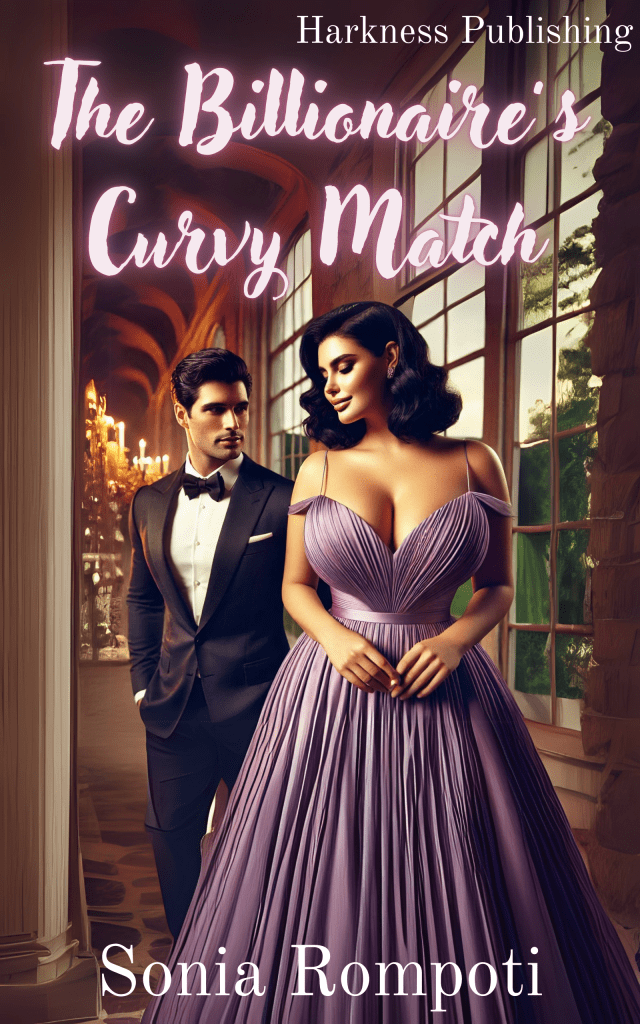
Why I Care So Much About Interior Life
Romance often gets dismissed as light or superficial.
But human connection is one of the most psychologically complex experiences we have.
Love activates:
Attachment systems.
Identity formation.
Old wounds.
Hope.
Projection.
Fantasy.
It reorganizes how we see ourselves.
To treat that lightly feels dishonest.
So when I write a heroine who refuses to shrink, I’m not just giving her bold dialogue.
I’m giving her interior conflict.
Self-doubt.
Narratives she’s inherited.
Beliefs she’s ready to outgrow.
Because strength without vulnerability is flat.
And vulnerability without growth is stagnant.
Psychology helps me hold both.
The Line Between Healing and Escapism
Let’s address something important.
Fiction is not therapy.
Reading about a heroine setting boundaries will not magically rewire your life.
But stories can offer rehearsal.
When you witness someone walk away from what diminishes her, part of you registers possibility.
Mirror neurons fire.
Emotional models shift.
You imagine a different response for yourself.
That doesn’t solve everything.
But imagination is the beginning of behavior change.
Psychology tells us that visualization influences outcome. Athletes use it. Performers use it. People recovering from trauma use guided imagery to re-establish safety.
Why would romance be exempt from that?
When characters grow, readers absorb narrative templates.
And sometimes, that matters.
Why Magic Shows Up Here Too
If you’ve read my work, you know there’s often a thread of witchcraft woven through it.
Not heavy fantasy. Not spectacle. But symbol.
Magic becomes a metaphor for intention.
A ritual becomes a pause before a decision.
A spell becomes a commitment to change.
A full moon becomes a marker of time passing.
Psychologically, humans respond to ritual because it creates structure around emotion.
So when characters perform small acts of symbolic magic, it’s not about supernatural outcomes.
It’s about internal alignment.
Love requires alignment too.
Between desire and boundary.
Between longing and self-respect.
Between who you were and who you’re becoming.
Magic just gives that transformation a language.
Why It Feels Different
If you’ve ever thought, “there’s something quietly deeper about this story,” that’s probably why.
Because I’m not only asking:
Will they end up together?
I’m asking:
Who will they be if they do?
Psychology doesn’t make a story heavier.
It makes it human.
It gives characters interiority instead of caricature.
It allows love to feel like growth instead of coincidence.
And that’s the kind of romance I want to read — so that’s the kind I write.
If You’re Here for Depth
If you want romance that moves slowly when it needs to.
If you want heroines who think, doubt, overanalyze, feel too much — and still rise.
If you want tension that reveals something instead of just entertaining.
Stay.
Join the newsletter for early chapters and thoughts on how story, psychology, and magic intersect.
Because love stories can be sweet.
But they can also be intelligent.
And we don’t have to choose between them.
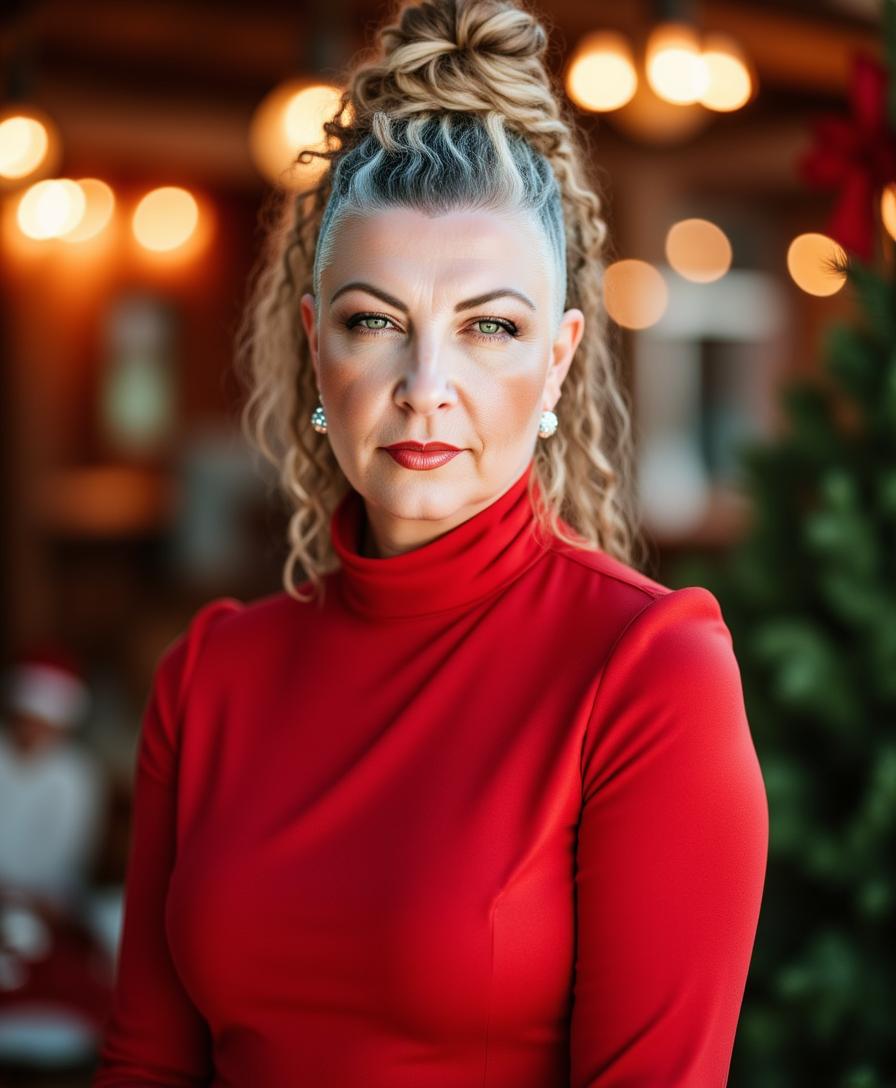


 Sonia M. Rompoti, MSc, Bsc
Leave a comment