

There’s something oddly persistent about witchcraft.
You can be educated, rational, science-aware. You can understand cognitive bias and attachment theory and the neuroscience of habit formation.
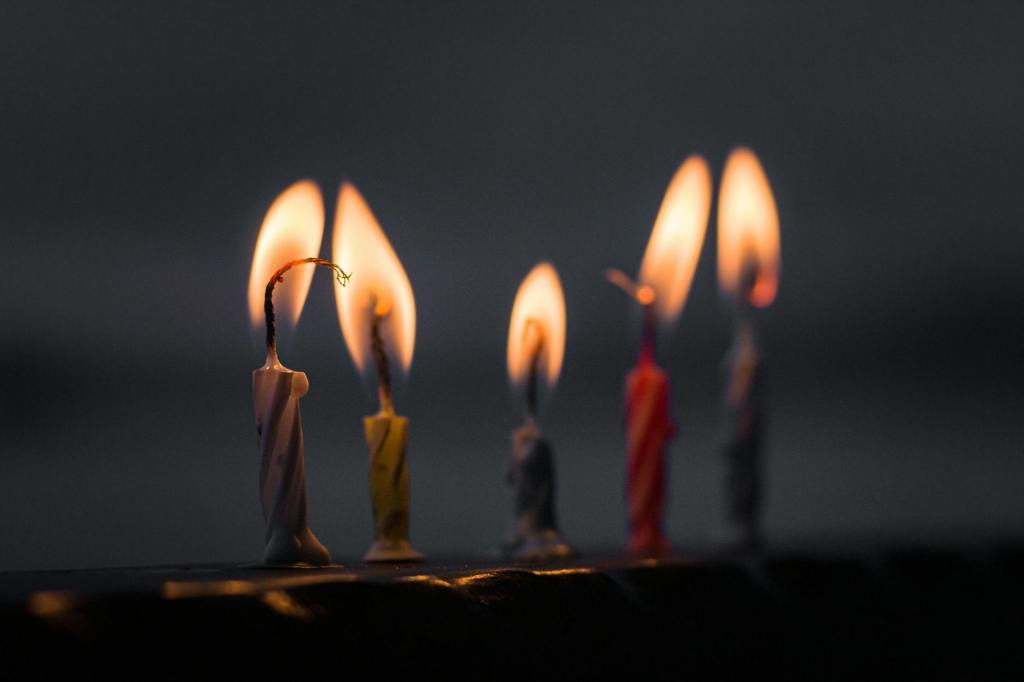
And still feel something soften when you light a candle with intention.
Still pause at a full moon.
Still whisper, “please let this work,” even when you know the statistics.
That’s interesting, isn’t it?
We live in a world that prides itself on logic, productivity, and measurable outcomes. Yet bookstores still sell tarot decks. Pinterest boards fill up with ritual ideas. Women who have never identified as “witchy” still find themselves drawn to symbols, cycles, and small acts of personal magic.
So what’s going on?
Let’s talk about it.
The Logical Mind vs. The Symbolic Mind
Here’s the first truth: we are not only logical creatures.
The part of you that manages your calendar and calculates tax deductions is not the same part of you that falls in love, grieves losses, or feels hopeful in the dark.
Psychology has long recognized that human beings operate through symbols. Carl Jung, for example, wrote extensively about archetypes — universal patterns and images that carry emotional meaning across cultures. Whether you believe in archetypal theory or not, it is hard to ignore how symbols shape us. We respond to stories, metaphors, and rituals long before we consciously analyze them.
Witchcraft functions in that symbolic space.
Lighting a candle for courage doesn’t change external events through supernatural means. But it does change your internal posture. It creates a moment of pause. A moment of reflection. A commitment.
And commitment changes behavior.
Even modern therapeutic techniques use ritual-like structures. Writing a goodbye letter you never send. Placing a grounding stone in your pocket. Creating structured “closure” exercises. These aren’t so different from spellwork — they are intentional acts that make abstract emotions tangible.
We pretend we’re purely rational. But our nervous systems run on meaning.
And witchcraft offers meaning in a world that often feels stripped of it.
The History We Don’t Talk About Enough
There’s another layer too.
Historically, women labeled as witches were often simply women who were:
- knowledgeable
- independent
- outspoken
- healing-centered
- outside traditional control
Midwives, herbalists, widows, landowners, women without male oversight. The word “witch” became a container for fear of autonomy.
Now fast forward to today.
When modern women embrace witchcraft aesthetics, even symbolically, there’s often something quietly rebellious about it. Not in a dramatic, torch-waving way. But in a reclamation way.
Witchcraft becomes shorthand for:
I trust my intuition.
I value cycles.
I respect emotion.
I choose my own inner authority.
That’s psychologically powerful.
Especially in a culture that still pressures women to be smaller, quieter, easier.
You don’t have to believe in hexes to find resonance in that.
Ritual in an Age of Chaos
Think about how chaotic modern life feels.
Constant notifications. Endless information. 24-hour crisis cycles. Productivity pressure that never shuts up.
Ritual slows time.
A simple practice (brewing tea intentionally, journaling during the new moon, pulling a tarot card before starting a creative project) creates structure. It tells your brain: this moment matters.
Neuroscience tells us that repetition builds neural pathways. When you repeat a meaningful action with focus, you are strengthening internal patterns. That’s not mysticism. That’s how conditioning works…. and conditioning is mysticism.
When someone says, “my full moon ritual helps me reset,” what they often mean is:
It helps me pause.
It helps me reflect.
It helps me reorient my intentions.
We mock ritual as irrational, but we ritualize constantly:
Morning coffee.
Gym routines.
Birthday candles.
Wedding ceremonies.
We crave markers in time.
Witchcraft just gives those markers poetic form.
Why Romance and Witchcraft Pair So Well
There’s a reason witchcraft shows up so often in romance fiction.
Both live in the territory of longing.
Romance asks: what if love transforms you?
Witchcraft asks: what if intention transforms you?
Both deal in vulnerability, risk, and hope. And both are frequently dismissed as unserious or “silly.” Yet people return to them again and again.
When I write witchcraft-inspired romance, I’m not writing about broomsticks. I’m writing about emotional alchemy — about how love, self-trust, and sometimes heartbreak reshape us. Magic becomes a metaphor for growth. For courage. For stepping toward what you want instead of shrinking away.
It’s not escapism.
It’s rehearsal.
Stories let us imagine becoming braver than we currently feel.
The “Too Much” Girl and the Witch Archetype
Let’s make this personal.
If you have ever been called:
Too emotional.
Too sensitive.
Too intense.
Too dramatic.
Witchcraft probably feels familiar.
Because culturally, “too much” women have always been suspicious figures.
Emotional intelligence, deep intuition, strong boundaries — these traits can unsettle people. Especially when they exist in women who refuse to dilute themselves.
So there’s something strangely healing about reclaiming the witch.
Instead of apologizing for intensity, you reinterpret it as power.
Instead of minimizing intuition, you honor it.
Instead of hiding depth, you let it exist.
You don’t have to adopt a new identity for that to matter.
Even a quiet act — like journaling under the moonlight once — can feel like a private rebellion against shrinking.
And sometimes, that’s enough.
But What If You’re Still Skeptical?
Good.
Skepticism and magic are not enemies.
You can understand cognitive priming and still choose ritual. You can recognize confirmation bias and still find comfort in symbolism. You can reject literal spellcasting and still crave intention.
The point is not supernatural belief.
The point is internal alignment.
When something helps you:
Slow down.
Focus.
Feel less alone.
Reconnect with yourself.
It has psychological value.
We are drawn to witchcraft not because we lack intelligence — but because we are emotional, symbolic, relational beings living in a hyper-rational age.
And sometimes, hyper-rational doesn’t nourish us.
So Why Are We Still Drawn to It?
Because it gives language to longing. Because it validates intuition. Because it turns healing into something active instead of passive. Because it allows women to imagine themselves powerful. Because it feels like belonging.
And maybe, most honestly?
Because we’re tired of pretending we don’t want meaning.
If This Resonates With You…
If you’ve ever found yourself half-smiling at a ritual idea while insisting you’re “not into that stuff,” I see you.
If you’ve ever rolled your eyes at astrology but still wondered.
If you’ve ever felt like logic alone wasn’t enough to carry you through something hard.
You’re not naive.
You’re human.
And this space — this little corner of the universe — was built for that complexity.
Here you’ll find:
Witchcraft-inspired romance.
Emotionally layered stories.
Reflections that take psychology seriously without stripping the poetry out of it.
Magic isn’t about abandoning reason.
It’s about allowing yourself depth.
If that sounds like your kind of thing, stay a while.
Or better yet, join the newsletter — where I share early chapters, behind-the-scenes thoughts, and the occasional honest reflection about love, power, and becoming.
You’re not the only one who still believes in something a little more.
And around here?
We don’t apologize for that.
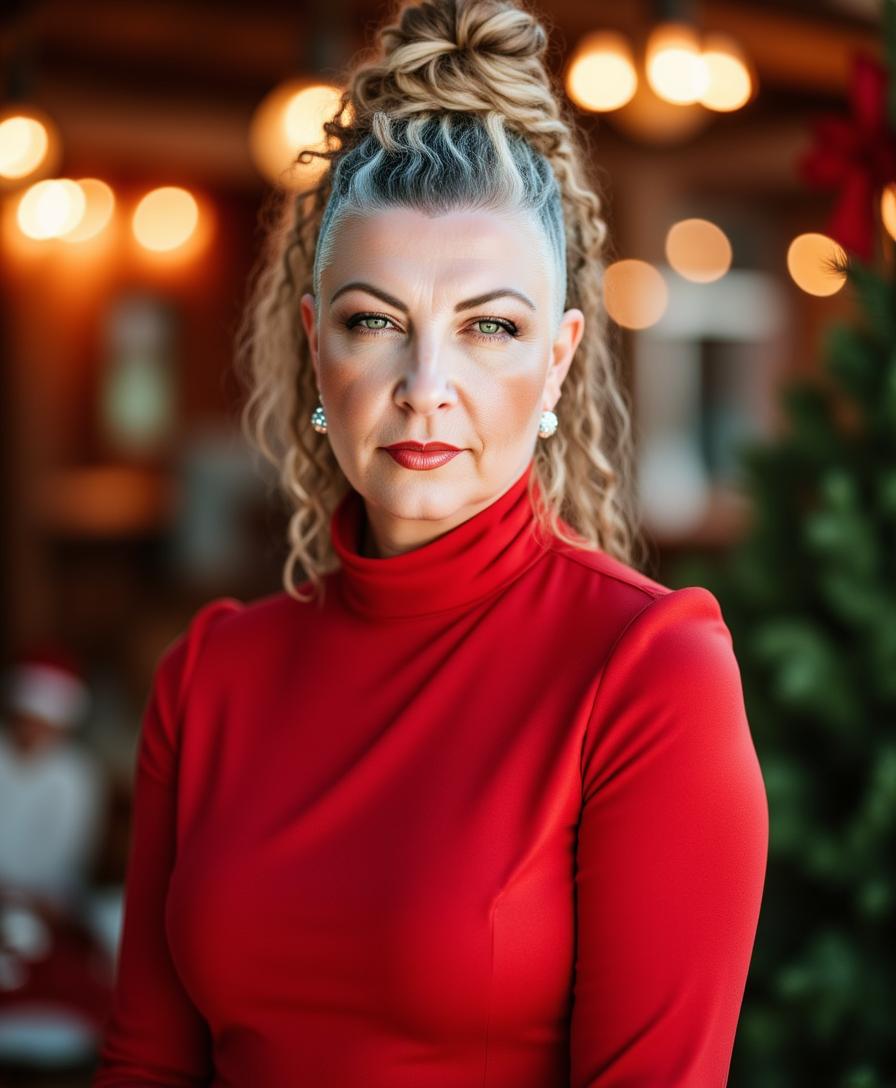


 Sonia M. Rompoti, MSc, Bsc
Leave a comment