


There’s a reason enemies-to-lovers refuses to die.
It’s not just tension.
It’s not just witty banter.
And it’s definitely not just “they hate each other but secretly want to kiss.”
It’s something deeper.
We say we want peace, ease, green flags, low drama. And we do. But we are also wired for friction that means something. For challenge that feels alive. For someone who doesn’t simply adore us — but meets us.
So let’s talk about why enemies-to-lovers hits the nervous system the way it does.
Not just romantically.
Psychologically.
Attraction Isn’t Always About Comfort
There’s a quiet myth floating around that healthy relationships should feel immediately calm.
No sparks. No friction. No pushback. Just serenity.
And while safety absolutely matters, attraction often begins somewhere else.
It begins in awareness.
The enemies-to-lovers dynamic works because it forces two characters to see each other. Fully. Uncomfortably. Repeatedly.
There’s confrontation. Disagreement. Edge.
Psychologically, edge activates attention. When someone challenges us — intellectually, emotionally, morally — we become alert. Focused. Engaged.
That engagement can tip into attraction when:
- The challenge feels matched.
- The tension feels equal.
- The pushback doesn’t cross into harm.
It’s not about toxicity.
It’s about being met.
The Mirror We Didn’t Ask For
Let’s go deeper.
In many enemies-to-lovers stories, the “enemy” doesn’t oppose the heroine randomly. He often sees something she’s hiding. Or reflects something she’s resisting.
This is where psychology gets interesting.
We are often drawn to people who confront parts of ourselves we haven’t fully integrated. Not because we enjoy discomfort — but because growth lives there.
Attachment theory teaches us that relationships activate old patterns. They expose vulnerabilities. They stir unresolved narratives.
Enemies-to-lovers externalizes that process.
Two people start opposed — not because they are incompatible, but because they are unfinished.
And when they evolve, it feels earned.
Transformation that costs something is satisfying.
Romantically and psychologically.
Power, Equality, and the Appeal of a Worthy Opponent
Let’s be honest about something else.
Enemies-to-lovers works best when both characters are strong.
Not broken-bird meets savior.
Not chaos meets patience.
Not dominance without depth.
The dynamic sings when both people are capable. Intelligent. Protective of their own ground.
There’s a primal thrill in finding someone who does not immediately fold in front of you. Someone who pushes back. Someone who makes you sharper.
For many women — especially women who have been told to soften themselves — watching a heroine hold her ground is deeply satisfying.
It says:
You don’t have to shrink to be loved.
You can be difficult.
You can be intense.
You can be powerful.
And still be chosen.
That hits something real.
It’s Not About Drama — It’s About Emotional Movement
Let’s clear something up.
The reason enemies-to-lovers works isn’t endless arguing. It’s the shift.
The slow realization.
The crack in the hostility.
The moment one of them sees the other clearly for the first time.
Psychologically, we are drawn to transformation arcs. Our brains are wired to track change. It’s the same reason redemption stories move us.
Watching characters move from opposition to intimacy mirrors something we all secretly want: the ability to be seen fully — flaws, ego, defense — and still be embraced.
It’s not about chaos.
It’s about evolution.
Why We Crave Tension in Fiction (But Not in Real Life)
You might be thinking:
Sure. Great in books. Exhausting in reality.
Exactly.
Fiction is rehearsal space.
It lets us explore charged emotional territory safely. We get the dopamine of tension without the real-life cost of miscommunication spirals.
Reading enemies-to-lovers gives us:
• Emotional stakes
• Vulnerability under pressure
• Resolution that feels earned
In real life, unresolved tension without growth is draining.
In fiction, structured tension with payoff is intoxicating.
That’s the difference.
And our brains know it.
The Fear Behind the Pull
Let’s get more honest.
Sometimes what draws us to that trope isn’t challenge.
It’s recognition.
Many of us learned early on that love isn’t soft at first. It’s negotiated. Earned. Protected.
Enemies-to-lovers reflects that internal script.
“I don’t trust you yet.”
“Convince me.”
“Show me who you are.”
There is vulnerability in letting someone move from adversary to ally. It mirrors the fear we carry in intimacy:
If I let you close, will you misunderstand me?
If I show you my edge, will you leave?
If I don’t soften immediately, will I be too much?
When the fictional couple overcomes those barriers, it’s deeply regulating to the reader. It says: See? You can survive being known.
When the Trope Stops Working
Let’s also say this clearly.
Enemies-to-lovers fails when:
The power imbalance is real.
The cruelty is unchecked.
The transformation doesn’t happen.
The tension is one-sided.
Then it’s not growth. It’s harm.
And readers can feel the difference.
Psychologically, we respond well to friction that moves toward safety — not friction that reinforces danger.
That’s why strong writing matters here. Emotional nuance matters.
The “enemy” has to evolve. And so does the heroine.
Otherwise, we’re not watching transformation.
We’re watching endurance.
And that’s not romantic.
So Why Does It Still Hit So Hard?
Because deep down, most of us don’t want someone who just agrees with us.
We want someone who can stand across from us without intimidation.
Who can handle our worst takes.
Who can match our fire.
Who can call us out without tearing us down.
We want tension that builds respect.
We want opposition that turns into intimacy.
We want love that survives friction.
Enemies-to-lovers is fantasy. Yes.
But it’s fantasy rooted in a very real desire:
To be powerful and loved.
At the same time.
If You’re Drawn to This Trope…
It probably doesn’t mean you want chaos.
It probably means you want depth.
You want emotional heat with a backbone.
You want someone who sees your sharp edges and doesn’t flinch.
You want transformation — not just affection.
And that’s not dramatic.
It’s human.
Around here, we write love stories where tension means something. Where emotional growth matters as much as physical spark. Where the pushback leads somewhere softer.
If enemies-to-lovers makes your heart beat a little faster, you’re not alone.
You just like your love stories earned.
Stay for the novels.
Join the newsletter if you want the behind-the-scenes thoughts on why these dynamics matter.
Or simply sit with the idea for a while.
Sometimes the thing we’re drawn to in fiction tells us more about ourselves than we expect.
And that’s the real alchemy.
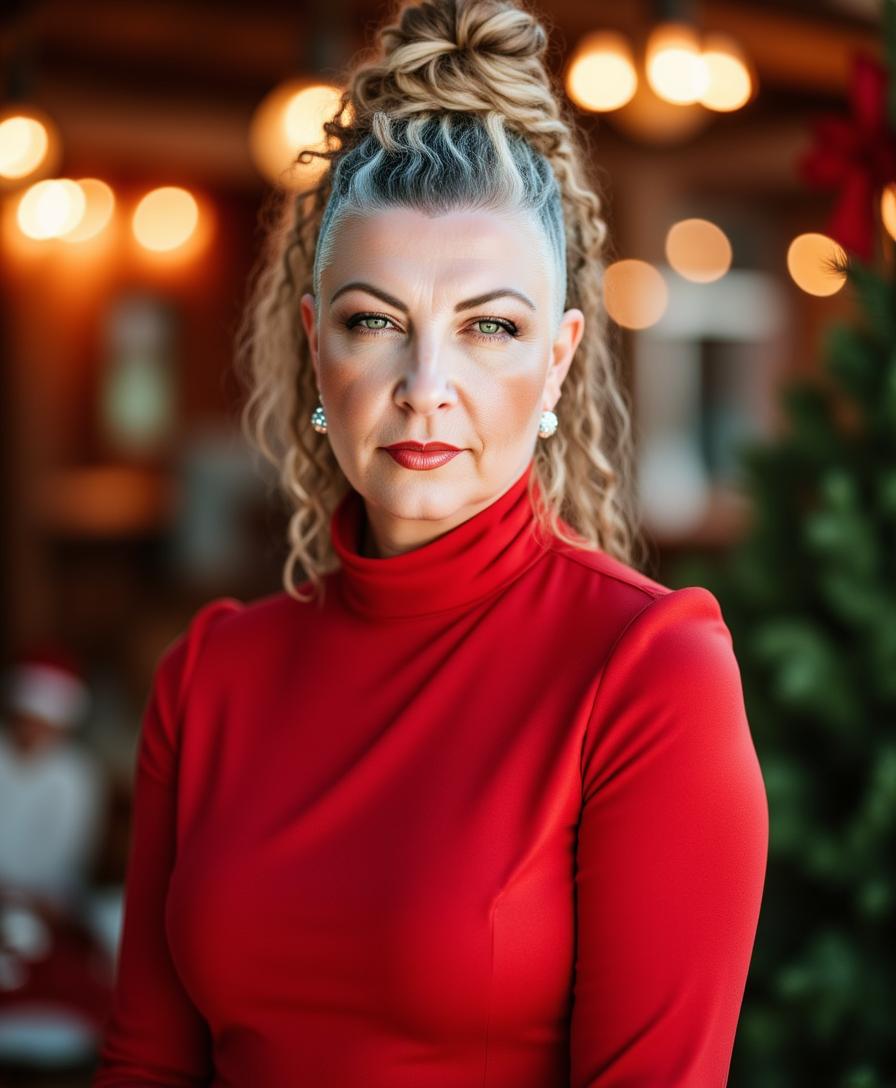


 Sonia M. Rompoti, MSc, Bsc
Leave a comment