


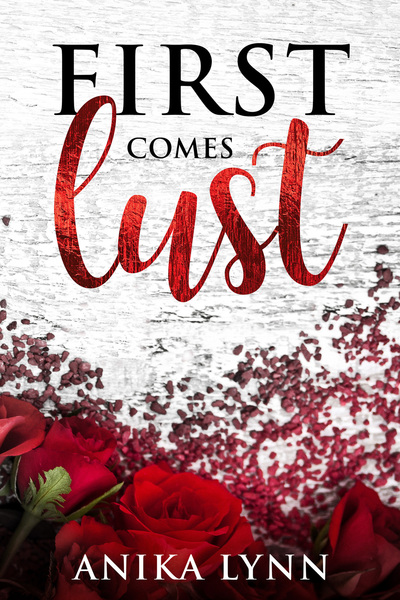
There’s a special kind of loneliness that follows loss. Not the dramatic kind. The quiet one, where everyone assumes you should be “moving on,” while your internal world is still negotiating basic survival. First Comes Lust by Anika Lynn drops us straight into that uncomfortable space and refuses to tidy it up.
If you’re even slightly curious about stories that let female desire exist without apology, this book is likely to hook you faster than you expect. Not because it’s shocking, but because it’s emotionally precise. First Comes Lust invites you into Abigail’s head and doesn’t rush you out when things get complicated. If you enjoy erotic romance that trusts the reader, asks real questions, and isn’t afraid to blur the lines between healing, longing, and self-protection, this is absolutely worth clicking through. Fair warning: once you start, you may end up questioning more than just Abigail’s choices. That tends to be the mark of a story doing its job.
Abigail is a widow, but this is not a soft-focus grief story wrapped in gentle healing clichés. Her husband didn’t just leave her with absence. He left her with secrets. Ugly ones. The kind that force you to question not only a marriage, but your ability to trust your own judgment. The foundation of her past collapses, and what follows isn’t graceful self-discovery. It’s messy, impulsive, and deliciously human.
Rather than retreating inward, Abigail goes outward. Into dating. Into lust. Into experiences that are meant to distract, soothe, and maybe numb the ache left by betrayal. The book doesn’t moralize this choice. It doesn’t frame desire as something that needs to be corrected or redeemed. Instead, it treats sexuality as a language. One Abigail uses to reconnect with herself when everything she thought she knew has been ripped apart.
What makes this story work is that the erotic journey isn’t about shock value. It’s about agency. Abigail isn’t chasing love. She’s reclaiming her body, her wants, and her right to feel alive again. The encounters are hot, yes, but they’re also emotionally charged. Each one pulls at the same tension: how much closeness is too much when trust has already shattered once?
As pleasure begins to shift into something more complicated, Abigail’s instincts kick in hard. Run. Don’t choose. Don’t risk anchoring your heart to another promise that might turn out to be hollow. Lynn captures this push-pull beautifully. The internal conflict feels earned. If you’ve ever tried to convince yourself that desire is safer than love, this book will feel uncomfortably familiar.
One of the strongest questions the novel asks is also the most provocative one: Why choose? Why must intimacy follow a single prescribed shape? Instead of forcing a neat resolution, the story allows space for ambiguity, for redefining what fulfillment can look like after betrayal. It’s refreshing and slightly unsettling in the best way.
First Comes Lust is not just an erotic romance. It’s a story about rebuilding identity when the life you trusted turns out to be a lie. It’s for readers who enjoy emotional complexity alongside heat, who want flawed characters making imperfect decisions, and who understand that healing is rarely linear or polite.
If you’re drawn to stories where grief doesn’t erase desire, where lust can be both refuge and rebellion, and where love is allowed to evolve outside traditional expectations, this one is worth your time. Just don’t expect it to hold your hand. Abigail certainly wouldn’t.
*This review is part of an indie author book exchange I joined at the start of the year, built around a simple idea: writers supporting writers without algorithms breathing down our necks. The goal isn’t inflated praise or forced positivity. It’s genuine engagement with stories we might not have picked up otherwise, and honest reflections shared with readers who appreciate nuance. I picked First Comes Lust because its themes sit right at the uncomfortable intersection of grief, desire, and identity. Those are the stories that tend to linger, and they’re the ones indie fiction often handles best.



 Sonia M. Rompoti, MSc, Bsc
Leave a comment