

For something so old, tarot feels surprisingly fresh. Maybe it’s the artwork, the mystery, or that weirdly accurate card your friend pulled last week that made you question your entire life. But if you’re picturing velvet capes, smoky rooms, and fortune-tellers predicting doom, it’s time to hit refresh.
Because tarot isn’t about predicting the future — it’s about getting in touch with your present.
In fact, tarot might just be the tool you didn’t know your mental health toolbox was missing. Especially if you’re someone who tends to live in your head — overthinking, overanalyzing, or quietly spiraling while smiling on the outside.
Sound familiar? Then let’s talk about what tarot actually is, and how it can hold space for your emotional world in a beautifully unexpected way.
A Card Deck with a Soul
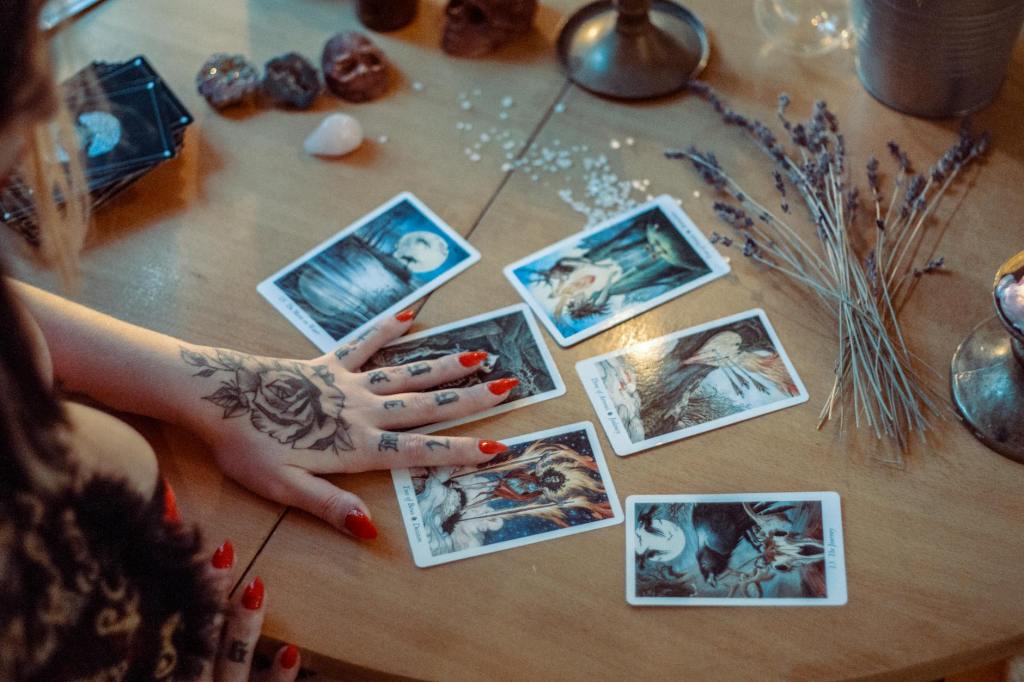
Tarot decks are made up of 78 cards, each one filled with images that speak to something ancient inside us — not because they hold magical powers, but because they tell stories we recognize on a gut level. You might not know what The Moon or The Lovers means at first glance, but your brain responds to the symbols, the colors, the posture of the figures. Your heart makes connections. Your intuition wakes up.
The truth is, tarot has always been more about reflection than prediction. Each card invites you to pause, pay attention, and ask, “How does this relate to what I’m feeling right now?”
It’s less “Will I get that job?” and more “What do I want from this job — and what’s holding me back from believing I deserve it?”
Tarot as Emotional Mirror
One of the most powerful things about tarot is the way it helps people name what they’re feeling when they can’t find the words themselves. We’re often taught to push emotions aside, to keep moving, to stay productive. But those emotions don’t disappear — they just get louder in the background.
Tarot gives them a way to speak.
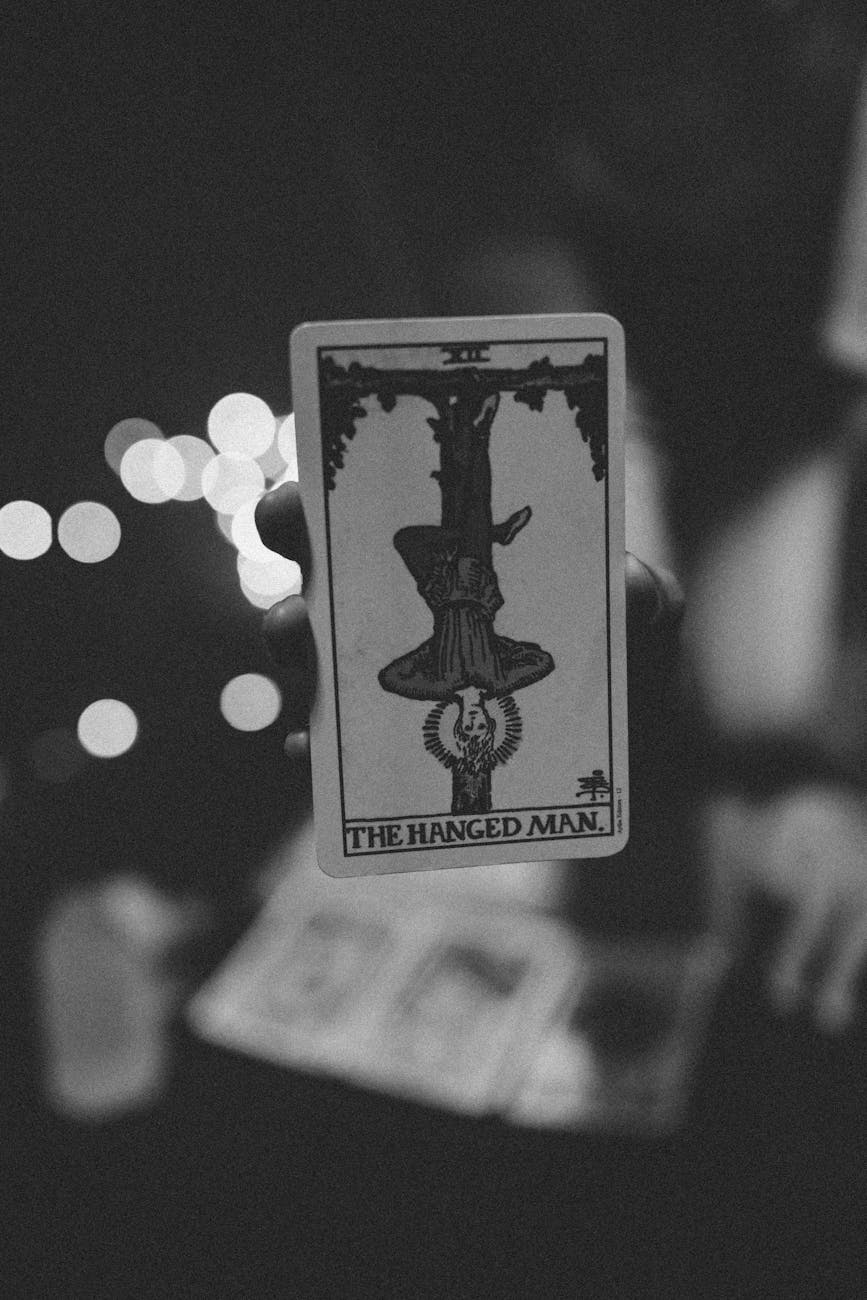
You shuffle the deck with something in mind — maybe you’re feeling anxious, or unsure, or just kind of… stuck. You pull a card. Let’s say it’s The Hanged Man. Suddenly, instead of feeling frustrated that life is in limbo, you’re reminded that waiting can be part of the process. That surrender is also action. That stillness doesn’t mean failure.
That’s the magic. The card doesn’t give you answers. It creates space for you to find your own.
When the Cards Find You
If you’re a writer, an artist, or a wildly imaginative person who lives in inner worlds as much as the outer one, tarot feels like a natural fit. It speaks your language — metaphor, symbol, archetype. But you don’t have to be a poet or a witch to connect with it.
You just need curiosity.
Maybe you’re having a rough day. You sit down, pull a card — The Ten of Wands. Suddenly, that knot in your chest makes sense. You’ve been carrying too much. You see yourself in the card — someone trying to hold it all together. And maybe, just maybe, you decide to put something down. Or ask for help. Or at the very least, stop blaming yourself for feeling tired.
That’s mental health in motion. Quietly, gently, tarot invites you to see yourself. Fully. Without judgment.
It’s Not “Woo,” It’s Awareness
People get hung up on whether tarot is “real.” But what if we asked a different question: Is it helpful?
Because tarot doesn’t have to be mystical to matter. Even if you believe it’s all just random cards, the truth is, meaning isn’t something we find — it’s something we make.
When you pull a card and feel a shift, that’s not coincidence. That’s connection. To your body. Your emotions. Your mind. Your voice.
For those of us juggling too many roles — indie authors, caregivers, freelancers, partners — it’s easy to lose that connection. We become machines, checking boxes, chasing deadlines. Tarot gives you a moment to pause. To breathe. To feel. To ask, “What’s really going on with me today?”
That pause can be more powerful than any productivity hack.
A Quiet Ritual, Just for You
You don’t need incense or moonlight to make tarot work. You don’t need to learn every meaning or memorize the suits. You don’t even need to believe in anything other than your right to take a moment for yourself.
A single card, pulled with intention, can hold a mirror to your day.
It can remind you that emotions have layers. That healing isn’t linear. That you are allowed to check in with yourself — even when the world tells you to keep going.
It’s not therapy. But it’s not not therapeutic, either.
Tarot offers a ritual that’s both ancient and personal. It reminds you that you’re not alone in your feelings — that these stories of love, loss, confusion, and hope have existed for centuries. That the chaos in your chest has a shape, and that shape has been drawn by a thousand hands before you.
Let the Cards Speak
So if you’ve been curious — try it. Pull a card. Look at the picture. Ask yourself what it means to you. You don’t need permission. You don’t need training. You just need a moment, and the willingness to listen.
Tarot won’t fix everything. But it might help you understand what needs tending. It might help you feel less alone. And some days, that’s more than enough.
Want to dive deeper?
Join my newsletter and email me at SoniaMRompoti@gmail.com to get a free printable: Tarot Prompts for Emotional Clarity. Whether you’re writing a book, battling burnout, or just trying to stay grounded, these spreads will help you hear yourself again.



 Sonia M. Rompoti, MSc, Bsc
Leave a comment