


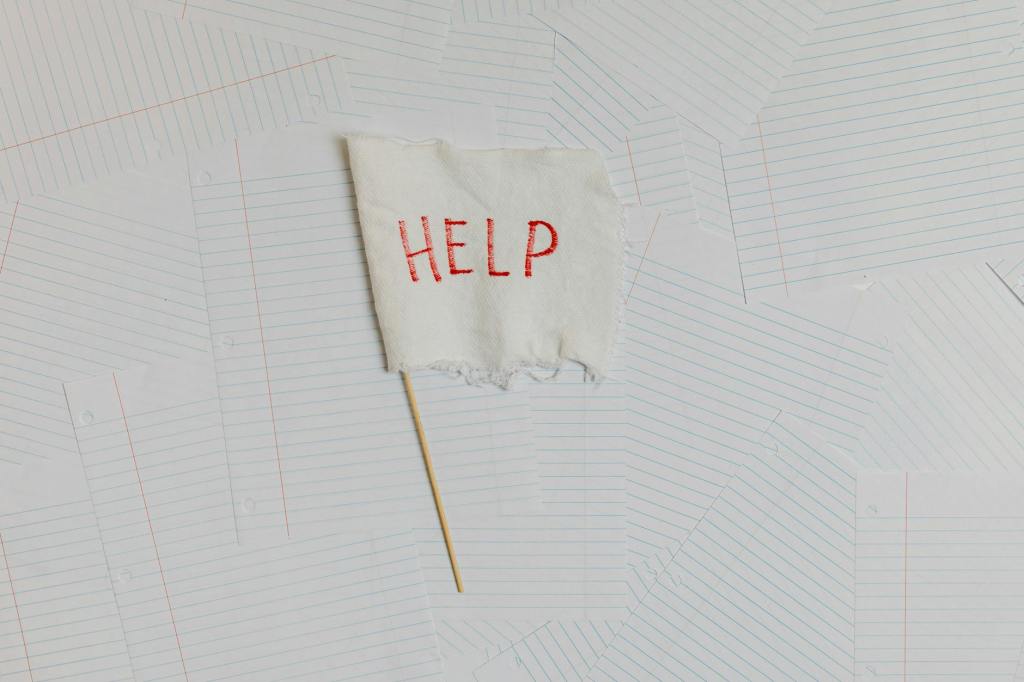
Let’s be honest for a moment.
Self-publishing is exciting, empowering, and creatively fulfilling — but it can also be utterly exhausting. You’re not just writing. You’re your own editor, designer, marketer, social media manager, accountant, and customer support team. No wonder burnout creeps in quietly, then kicks the door down.
If you’ve ever stared at your screen and thought, I love writing — so why am I so drained?, you’re not alone.
This post isn’t about bubble baths or candles (though, no shade there either). It’s about sustainable, day-to-day choices that protect your creativity and emotional wellbeing as an indie author. This is what real self-care looks like — not glamorous, but grounding.
The Emotional Weight of Indie Authorship
Writing is personal. Publishing is public. The emotional whiplash of creating something from your soul and releasing it to strangers can take a toll you didn’t anticipate.
And when you’re an indie author, you’re not just writing a book — you’re building a business out of your heart.
That emotional labor adds up:
- Watching other authors succeed while your sales trickle in.
- Managing edits, delays, or bad reviews.
- Trying to maintain consistency without burning out.
How much more can one take??
Self-care isn’t a luxury here. It’s oxygen.
Step One: Define Your Writing Life
Before we talk about routines or recovery, let’s reframe the idea of success.
What does your ideal author life actually look like?
Are you writing daily? Publishing twice a year? Connecting with a small but loyal readership?
Not everyone wants the same pace or path. That’s why your self-care begins with defining your version of sustainability.
If your routine feels like pressure rather than pleasure, it’s time to adjust.
The Hidden Burnout Triggers
Burnout isn’t always about “doing too much.” Sometimes, it’s about doing too much of the wrong thing.
Here are a few common but sneaky burnout triggers for indie authors:
- Chasing algorithm changes instead of building real connections.
- Over-marketing your book before it’s ready.
- Comparing yourself to full-time authors while working a day job.
- Forcing daily writing when your brain needs rest.
- Expecting overnight success in a long-haul game.
Burnout often shows up as procrastination, irritability, self-doubt, or creative fog. If you’re feeling stuck, it might not be laziness. It might be mental fatigue.
What Real Self-Care Looks Like (for Authors)
Let’s talk about what actually helps — the things I’ve tested, the ones my writer friends swear by, and the routines that build resilience rather than force discipline.
1. Creating Off-Days — Without Guilt
Seriously… Not every day needs to be a word count day. Block out time where writing is not expected — and don’t use it to catch up. (Yes, I’ve been there too, remember?)
When you rest deliberately, your creativity doesn’t disappear. It recharges.
2. Separating Writing and Publishing Tasks
If you edit in the morning, outline at noon, and market at night — your brain never gets to live in one creative space.
Try dedicating days to specific modes. For example:
- Mondays: marketing
- Tuesdays & Wednesdays: writing
- Fridays: admin / emails
This creates rhythm, not chaos.
3. Protecting Joyful Creativity
Remember what you wrote before you cared about tropes and blurbs and categories? Reconnect with that.
Keep a “just for me” file. A silly side project. A mood board. A playlist.
Joy fuels longevity.
4. Author Friendships as a Lifeline
I cannot stress this enough. Writing doesn’t have to be lonely. Find or build a writing circle, even if it’s one person who gets it.
Talk about the messy parts — not just the wins. You’ll be shocked how many others are feeling the same. If you don’t know anybody, you can always email me at SoniaMRompoti@gmail.com… I’ve been there, I know…
Boundaries Are Self-Care, Too
As indie authors, the lines between work and life can blur fast. Suddenly, you’re checking KDP reports at midnight or answering DMs while your dinner goes cold.
Here are boundaries that have helped me stay sane:
- Set communication hours (yes, even if you’re not famous yet).
- Close your laptop by a certain time every night.
- Take social media breaks after launches.
- Say no to ideas that don’t align with your goals — even if they seem trendy.
Burnout often comes from saying yes too much. Start saying yes to your needs first.
Creative Recovery Is Part of the Process
Sometimes, you need a writing break.
Sometimes, you need to write something completely different.
Sometimes, the best thing you can do is walk away for a week.
This doesn’t make you a failure. It makes you a human with a nervous system. Creativity isn’t a faucet you force on. It’s a current — and it always returns when you give it room to breathe.
If you’ve been feeling depleted, here’s your permission slip:
You’re allowed to rest. You’re allowed to reset. You’re allowed to return when you’re ready.
Self-care for indie authors isn’t one-size-fits-all. It’s about creating a writing life that feels sustainable, joyful, and yours.
Maybe that looks like early mornings and color-coded calendars. Maybe it looks like writing when the house is finally quiet at night. Maybe it’s a messy, beautiful in-between.
However it looks for you — make sure it includes you at the center. Not the market. Not the metrics. Just you.
Want weekly reminders that your creative life is valid — messy days and all?
Subscribe to my newsletter for grounded support, honest stories, and encouragement for real-life writers. No pressure. Just presence.



 Sonia M. Rompoti, MSc, Bsc
Leave a comment