


How to Build an Indie Author Universe That Keeps Readers Coming Back
One book is hard enough—so why would anyone choose to write a series?
Simple: because readers love them.
Series sell. They build loyalty, boost your income, and help you grow a fanbase faster than standalone books. But planning a series as an indie author isn’t just about stringing sequels together. It’s about designing a world (or voice, or brand) that makes readers want to stay awhile.
In this article, we’ll explore what it really takes to build your author universe from the ground up.
Why Series Work So Well
Whether it’s a romance trilogy, a cozy mystery collection, or a witchy nonfiction toolkit, series allow readers to connect deeply with your world—and keep buying.
Why this works:
- Readers hate saying goodbye. They grow attached to characters or themes and want more.
- Amazon loves series. Your other books show up on your own pages. You dominate the “Customers Also Bought” section.
- It’s easier to market. Once readers buy book 1, the rest are a natural next step.
You’re not just selling a book anymore. You’re building a reader’s home base.

Step One: Decide Your Series Structure
Not all series are built the same. Your first job is to decide what kind of structure works for your genre, your voice, and your goals.
1. Linear Series
Think plot-driven stories that must be read in order. Each book builds on the last. Examples: epic fantasy, thrillers with ongoing investigations, romance sagas.
2. Interconnected Standalones
Each book has its own story and couple, but the characters are part of the same world. Perfect for romance, cozy mystery, or contemporary fiction. These are binge-worthy and easy to market as “start anywhere.”
3. Thematic Series (Nonfiction)
Each book tackles a related topic (e.g., Pagan holidays, parenting strategies). They look and feel cohesive but can be read in any order.
Your structure determines everything: covers, titles, tropes, and marketing.
Step Two: Build the Universe
Once you know your structure, it’s time to go deeper. What ties your series together?
Even in standalone books, readers crave familiarity. Here’s what helps:
- Recurring characters or settings. Small towns, big families, rival firms—give your readers something to revisit.
- Tone and promise. Whether you’re steamy and sarcastic or cozy and introspective, consistency matters.
- Themes. Body positivity? Witchcraft and healing? Found family? Choose a theme that can stretch across multiple books.
The clearer your universe, the easier it becomes to build reader loyalty. They’ll know what to expect—and they’ll want more.

Step Three: Think Like a Brand
Series work best when they look like they belong together. This is where design and strategy come in.
- Covers: Use consistent fonts, layouts, and branding. Your books should scream “part of the same series” from the thumbnail alone.
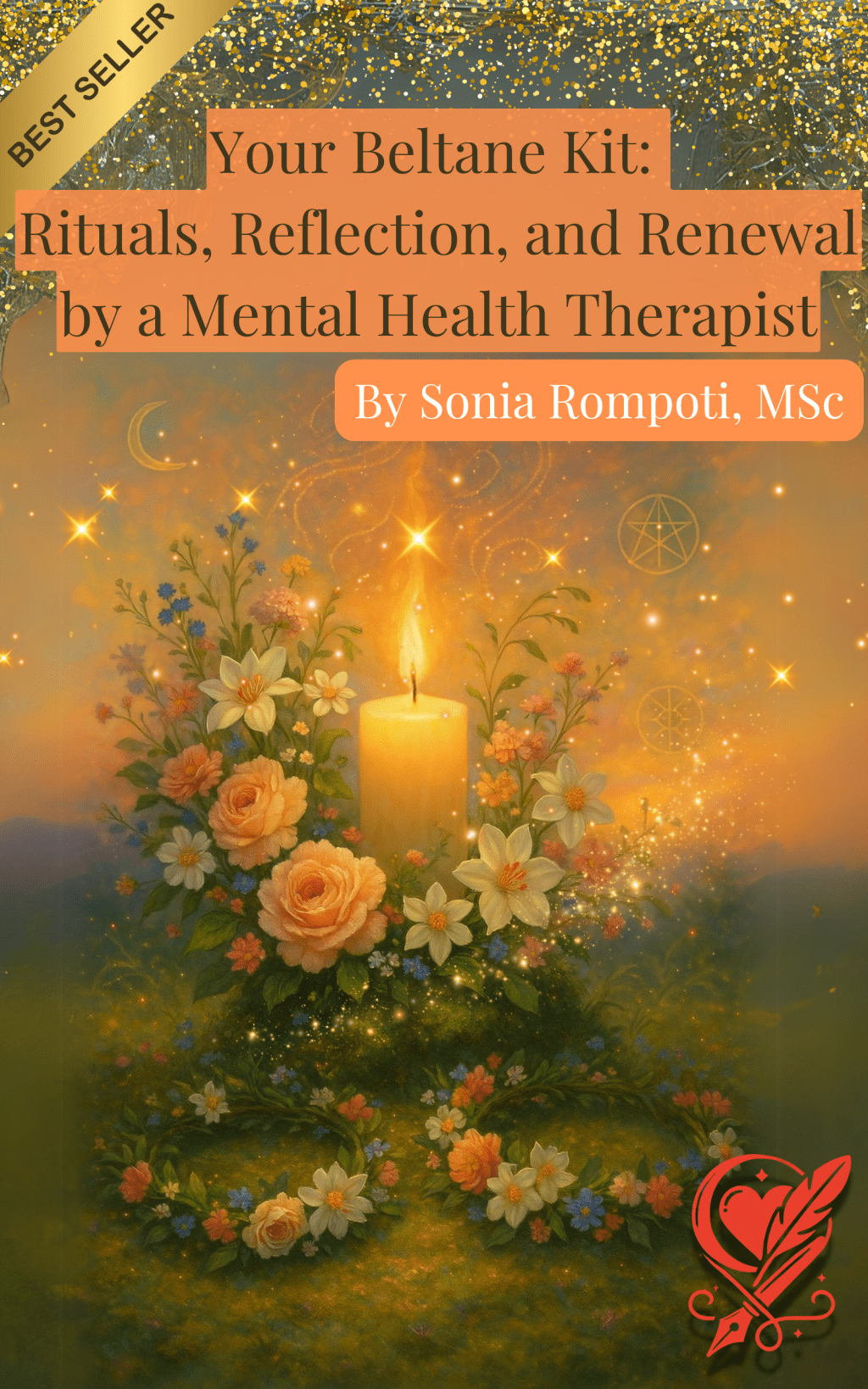
- Titles: Echo a pattern (like The Curvy CEO, The Curvy Matchmaker, The Curvy Rival) or reflect an aesthetic (Ostara Kit, Beltane Kit, Litha Kit).
- Back matter: Always link to the next book. Use “coming soon” pages, blurbs, and direct calls to action.
Remember: even if you’re publishing one book at a time, you’re planting the seeds for a forest. Water it right.
What If You’re Already Published?
You don’t need to start from scratch. Many authors “retcon” a series—grouping existing books under a new series name, giving them branded covers, or writing a prequel to tie them all together.
Try this:
- Rename a standalone as “Book 1 of the XYZ Series”
- Write a short novella to introduce the universe (great for email list freebies!)
- Re-release older books with updated metadata and categories
Series aren’t just for fantasy writers or multi-book franchises. Even two interconnected books can become a powerful duo that boosts visibility.
A Personal Example
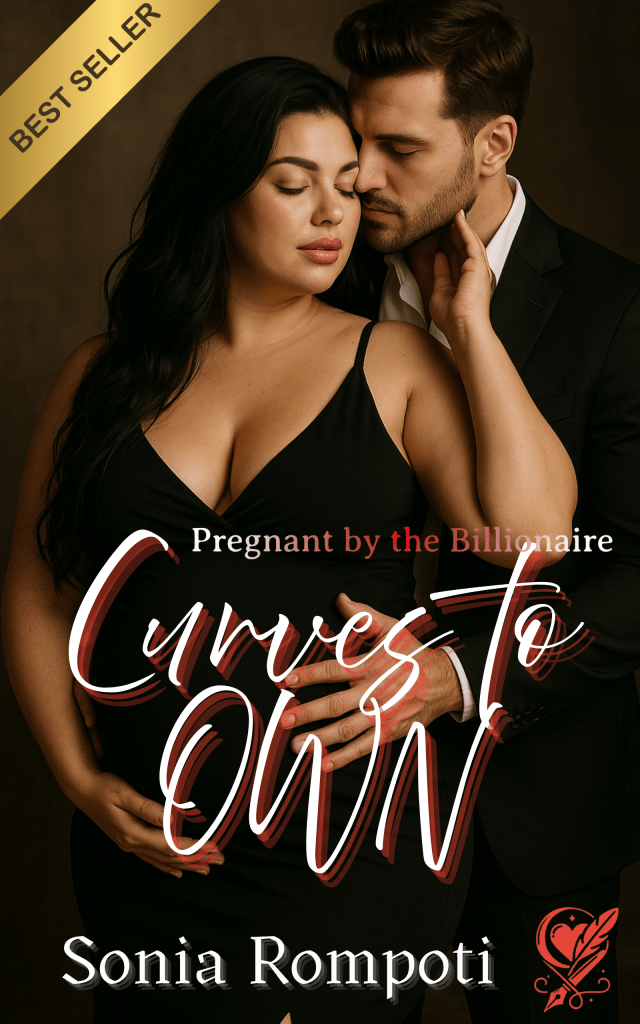
When I launched Confessions of a Curvy Heart, I knew I wasn’t done with that world. So I planned a series around the themes of body positivity, steamy romance, and emotional healing—and gave it a name: Curves to Own.
Each book has a new couple and story but shares the same playful tone and values. My readers now know what to expect when they see “Curves to Own.” And they want more.
That’s the magic of series building. It’s not just writing books—it’s creating trust.
Final Thoughts: It’s a Universe, Not a Sprint
If you’ve been hesitant to start a series because it sounds like too much—remember this:
You don’t need everything figured out at once.
Start with one book that hints at more to come. Build gradually. Your series will grow with you, and your readers will follow if they feel connected.
Because in the end, you’re not just writing stories.
You’re writing a world someone will want to live in.



 Sonia M. Rompoti, MSc, Bsc
Leave a comment