



Ever walked into someone’s house and wondered how they keep everything so spotless? Chances are, they’ve got some cleaning secrets up their sleeve. But it’s not just about what they do—it’s also about what they don’t have. Professional cleaners don’t just clean for a living; they design their homes in a way that makes cleaning easier and prevents messes from piling up in the first place.
So, what are the things you’ll never find in a professional cleaner’s home? Let’s take a deep dive into their habits and why avoiding certain items can make your home cleaner, fresher, and easier to maintain.

1. Cluttered Surfaces
One of the first things you’ll notice in a professional cleaner’s home is that countertops, tables, and shelves are almost always clear. They know that clutter attracts dust and makes cleaning more difficult.
✅ What they do instead: They use smart storage solutions, keep only essential decor, and have a place for everything—ensuring surfaces stay tidy and easy to wipe down in seconds.
🔹 Tip for you: If you struggle with clutter, start by designating a “clutter-free zone” in one area of your home and expand from there.
2. Overstuffed Closets and Cabinets
You won’t find jam-packed closets or kitchen cabinets bursting with unused gadgets in a pro cleaner’s home. They understand that too much stuff leads to unnecessary messes and makes it harder to find what you actually need.
✅ What they do instead: Regularly declutter and donate unused items, ensuring that everything they own serves a purpose.
🔹 Tip for you: Use the one-year rule—if you haven’t used an item in the past year, chances are you won’t use it in the future. Let it go!

3. Cheap, Scented Cleaning Products
Many store-bought cleaners contain strong artificial fragrances that can leave behind a sticky residue and actually attract more dust. Professionals avoid these, opting instead for high-quality, fragrance-free, or naturally scented products.
✅ What they do instead: They choose vinegar, baking soda, castile soap, and essential oils as their go-to cleaning agents for a naturally fresh home.
🔹 Tip for you: Try swapping out chemical-laden products for DIY cleaners. A mix of vinegar and water can replace most all-purpose sprays!
4. Carpeted Bathrooms and Kitchens
Carpets in bathrooms or kitchens? A professional cleaner would never! These spaces require frequent cleaning, and carpets only trap bacteria, moisture, and odors.
✅ What they do instead: They stick to easy-to-clean surfaces like tile, laminate, or hardwood flooring that can be mopped and disinfected efficiently.
🔹 Tip for you: If you have a carpeted bathroom or kitchen, consider replacing it with waterproof flooring or, at the very least, invest in washable rugs that can be cleaned regularly.

5. Excessive Decorative Pillows
Sure, decorative pillows make a couch or bed look stylish, but too many of them can be a hassle to clean and collect dust.
✅ What they do instead: Keep a few well-chosen pillows that can be easily removed and washed.
🔹 Tip for you: Stick to pillows with removable covers and wash them every few weeks to keep them fresh and allergen-free.
6. Open Trash Bins
Trash bins without lids? Not in a professional cleaner’s home. Open bins attract bugs, release odors, and make the house feel dirtier.
✅ What they do instead: Use lidded trash cans with foot pedals to keep odors contained and prevent pests.
🔹 Tip for you: Take out the trash daily, especially in the kitchen, and sprinkle a little baking soda at the bottom of the bin to absorb odors.
7. Paper Piles
Bills, magazines, and random papers tend to pile up fast. But in a pro cleaner’s home, you won’t find stacks of paper taking over countertops and tables.
✅ What they do instead: Go digital as much as possible and create a filing system for important paperwork.
🔹 Tip for you: Designate a small basket for incoming mail and go through it weekly to avoid accumulation.
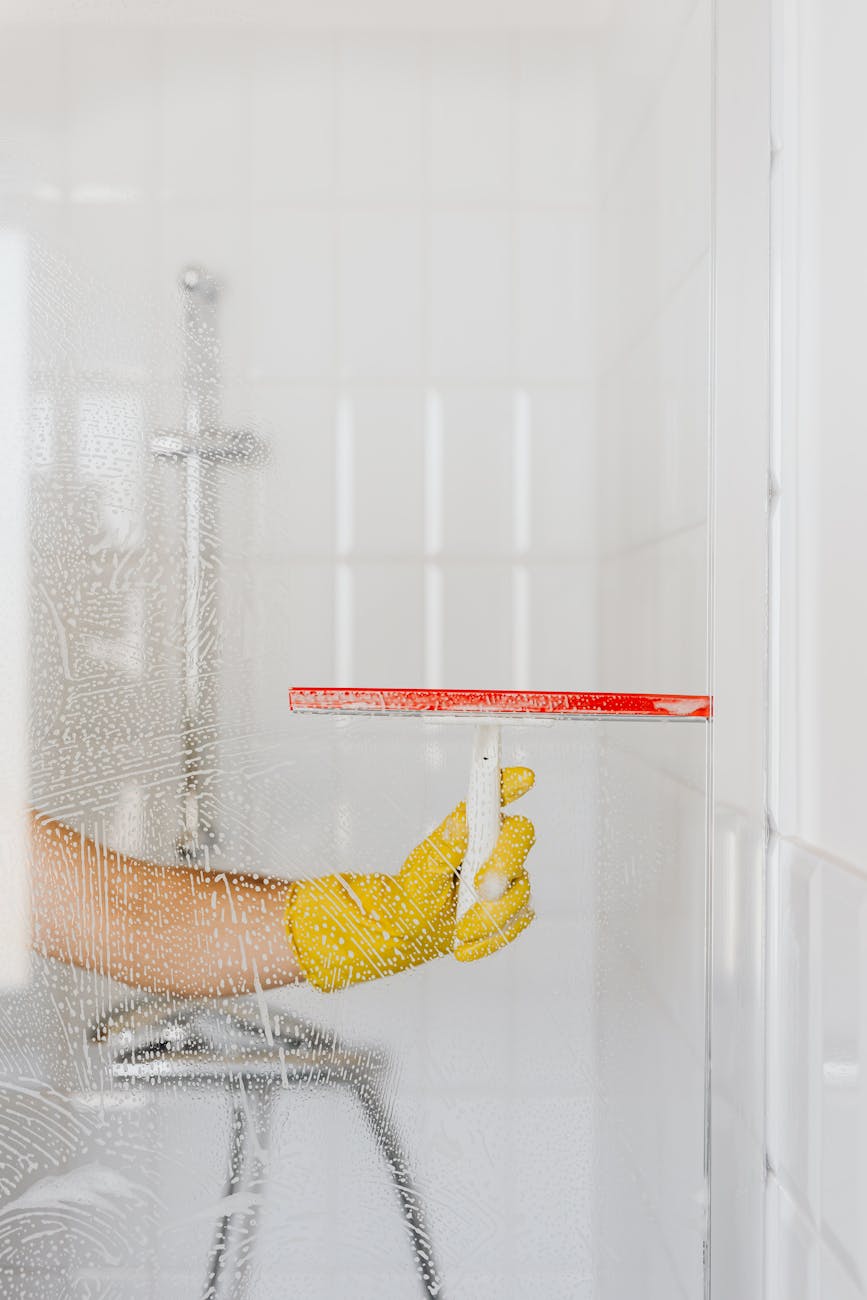
8. Overloaded Shower Caddies
Most people have multiple bottles of shampoo, conditioner, body wash, and half-used products in their shower. But pro cleaners keep it minimal to prevent mildew and soap scum buildup.
✅ What they do instead: Stick to one bottle per product and wipe down the shower after each use to prevent grime.
🔹 Tip for you: Store shower essentials on a hanging rack or wall-mounted caddy to free up space and reduce mess.
9. High-Maintenance Furniture and Decor
You’ll never find hard-to-clean furniture, high-pile rugs, or intricate decor in a professional cleaner’s home. They avoid anything that collects dust and is difficult to wipe down.
✅ What they do instead: Opt for wipeable surfaces, low-maintenance furniture, and machine-washable fabrics.
🔹 Tip for you: If you’re shopping for furniture, look for materials like leather, microfiber, or stain-resistant fabrics that are easy to clean.
10. A Shoe-Free Home Rule
Professional cleaners know that shoes bring in dirt, bacteria, and allergens, making floors dirtier faster. That’s why they enforce a no-shoes rule inside the house.
✅ What they do instead: Have a designated shoe area near the entrance and encourage guests to wear indoor slippers or socks.
🔹 Tip for you: Place a shoe rack or basket near the door to make it easy for family and guests to comply with this rule.

Come to think of it….
If you want a home that stays cleaner with less effort, start by adopting these habits from professional cleaners. By eliminating clutter, choosing easy-to-clean materials, and being mindful of what you bring into your home, you can make cleaning a breeze.
📢 Ready to transform your home? Try out one of these pro tips today and let me know in the comments—what’s the first thing you’re getting rid of? And don’t forget to share this post with a friend who could use a little cleaning inspiration!



 Sonia M. Rompoti, MSc, Bsc
Leave a comment