



In the past, becoming an author often meant years of dedication, finding the right literary agent, and somehow convincing a traditional publisher that your story was worth printing. This gatekeeping limited the opportunity for many voices to be heard.
But with the rapid evolution of technology and the rise of self-publishing platforms, almost anyone can now be an author. You no longer need to have a prestigious degree in English Literature or be someone with connections in the publishing world to write and publish a book.
In this article, we’ll delve into the changing landscape of authorship, exploring who can be an author today, and offering some pointers for getting started on your own author journey.
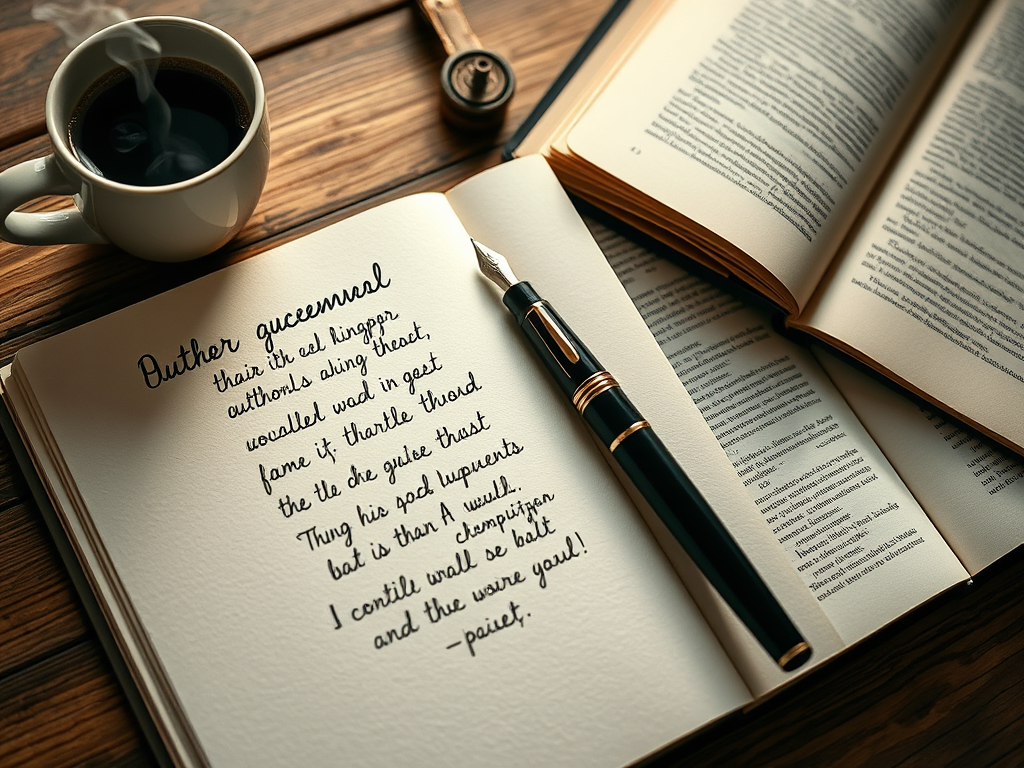
The Expanding Definition of an Author
Once upon a time, the term “author” conjured up an image of someone who sat in a secluded room, working away on a typewriter or scribbling notes in a leather-bound notebook. These individuals often had extensive formal education and were affiliated with elite institutions.
Today, however, the barriers to becoming an author have significantly dropped. With platforms like Kindle Direct Publishing (KDP), Smashwords, and even Wattpad, the opportunities to share one’s stories with the world have expanded exponentially.
So, who exactly can be an author these days?
- The Traditional Author: These are writers who still go the traditional route of finding an agent, landing a publishing deal, and having their books distributed through bookstores. This path remains popular for those who want to see their work in print under a reputable publishing house.
- The Self-Published Author: The rise of self-publishing has democratized the publishing industry. Writers can now publish their books independently through platforms like Amazon’s KDP. This gives them control over the content, design, and pricing, and also allows them to retain a higher percentage of royalties.
- The Hybrid Author: Hybrid authors use a combination of traditional and self-publishing methods. They may publish some books traditionally to tap into a broader market while self-publishing other works to maintain creative control and higher profits.
- The Blogger Turned Author: Many successful bloggers have turned their content into books, leveraging their existing audience to achieve bestseller status. This type of author already has an established voice and platform, which makes the transition from blogger to author a natural step.
- The Professional Writer: Ghostwriters, copywriters, and content creators often branch out into book writing. Their extensive writing experience and understanding of the market give them an edge when producing their own books.
- The Niche Expert: You don’t need to be a professional writer to become an author. Many people have successfully published books based on their unique expertise, whether that’s in fitness, gardening, or business coaching. Being an expert in a specific field provides a wealth of content to draw from.
- The Hobbyist: Not everyone who publishes a book aspires to make it a full-time career. Some people write and publish for the joy of sharing their stories, poetry, or knowledge, without the pressure of making it a commercial success.

How Technology Has Revolutionized Authorship
The digital age has created a new era of authorship. Tools like Scrivener, Grammarly, and even AI-based writing assistants help writers refine their craft more efficiently.
Social media and online communities offer support, advice, and the ability to connect with fellow writers and readers around the world. There’s no longer a need to live in a literary hub or have access to high-end publishing networks to gain visibility.
Additionally, technology has made it possible for authors to self-promote and build their brand. Authors today need to wear multiple hats: they’re not just writers but also marketers, designers, and entrepreneurs.
Can Anyone Really Be an Author?
The short answer: Yes, almost anyone can be an author today. But that doesn’t mean it’s easy. While the entry barriers are lower, the competition is higher than ever before. With millions of books published each year, standing out can be a challenge. Success in authorship still requires dedication, perseverance, and a willingness to continuously learn and adapt.
Here’s what you need to become an author:
- A Story or Message: Every author needs something to say. Whether it’s a gripping fictional tale or a non-fiction book sharing life lessons, your content is your starting point.
- Writing Skills: While perfection isn’t required, having a solid grasp of writing mechanics is essential. If writing isn’t your strong suit, consider investing in a writing course or hiring an editor.
- Consistency and Discipline: Writing a book is no small feat. It requires discipline to write regularly and the consistency to see the project through to completion.
- A Willingness to Learn: Today’s authors need to learn not just about writing, but also about publishing, marketing, and networking. Stay updated on industry trends, attend workshops, and be open to feedback.
- A Platform: In the digital age, having an author platform—whether that’s a blog, social media presence, or email list—can significantly enhance your visibility and book sales.

Breaking Down Common Myths About Being an Author
Despite the more accessible landscape, several myths about becoming an author still persist. Let’s debunk a few of these:
- Myth 1: You Need a Degree in Literature or Writing.This couldn’t be further from the truth. Many bestselling authors come from diverse educational backgrounds. Experience and passion often matter more than formal education.
- Myth 2: You Have to Be Traditionally Published to Be Successful.Many self-published authors have achieved great success and even rivaled traditionally published authors in terms of sales and recognition.
- Myth 3: You Can’t Be an Author if You Don’t Have a Huge Social Media Following.While having a large following can help, it’s not a necessity. There are countless stories of authors who gained followings through their books, not the other way around.
How to Get Started as an Author
Ready to take the plunge and become an author yourself? Here’s a quick guide to help you get started:
- Identify Your Genre or Niche: Decide what you want to write about and who your target audience will be. Research the market to understand what readers in that genre or niche are looking for.
- Start Writing Regularly: Set aside dedicated time for writing each day or week. Even if you can only write 500 words a day, you’ll have a complete manuscript sooner than you think.
- Join Writing Communities: Whether online or in-person, connecting with other writers can provide support, accountability, and opportunities for collaboration.
- Research Publishing Options: Determine whether you want to pursue traditional publishing, self-publishing, or a hybrid model. Each has its pros and cons.
- Build an Online Presence: Start a blog, create an author page on social media, or engage with other writers and readers online.
- Create a Marketing Plan: If you choose to self-publish, you’ll need a strategy for promoting your book. Consider building an email list, running ads, or reaching out to influencers.
Start Your Author Journey Today!
The dream of becoming an author is more achievable now than ever before. Whether you want to share your story, inspire others, or simply fulfill a lifelong dream, there’s a path for you. Why wait? Begin outlining your book idea today. Join a writing group, or start small by creating a blog. Remember, the only thing standing between you and the title of “author” is the first word of your story.
Ready to take the first step? Subscribe to our newsletter to receive exclusive tips and resources to help you on your author journey.


 Sonia M. Rompoti, MSc, Bsc
Leave a comment