


When we talk about family, one of the strongest pillars is often the father. A father’s presence provides stability, love, and security. But what happens when that pillar is suddenly gone?
The death of a father can be a profound and transformative event for any family, leaving behind a void that’s hard to fill.
This article delves into the complex emotions, stages of grief, and practical steps to cope with such a significant loss.
Understanding Grief
Grief is a natural response to loss. It is a process, not a single event, and affects people in different ways. When a father dies, the grief can feel overwhelming and unending. Elisabeth Kübler-Ross introduced the five stages of grief in her book “On Death and Dying,” which can provide a framework for understanding these emotions:
- Denial: This initial stage is a defense mechanism that buffers the immediate shock of the loss. It may feel like an out-of-body experience where you can’t quite believe what has happened.
- Anger: As reality sets in, the pain of the loss can be redirected and expressed as anger. This can be directed towards others, the deceased, oneself, or even at the situation.
- Bargaining: In this stage, one might find themselves thinking in “if only” or “what if” statements. It’s an attempt to regain control or make a deal to reverse or lessen the loss.
- Depression: Deep sadness and despair set in as the true extent of the loss is understood. This stage often feels like it will last forever, but it is a crucial part of the grieving process.
- Acceptance: The final stage is about accepting the reality of the loss. It doesn’t mean the pain is gone, but rather that you have found a way to move forward with your life.
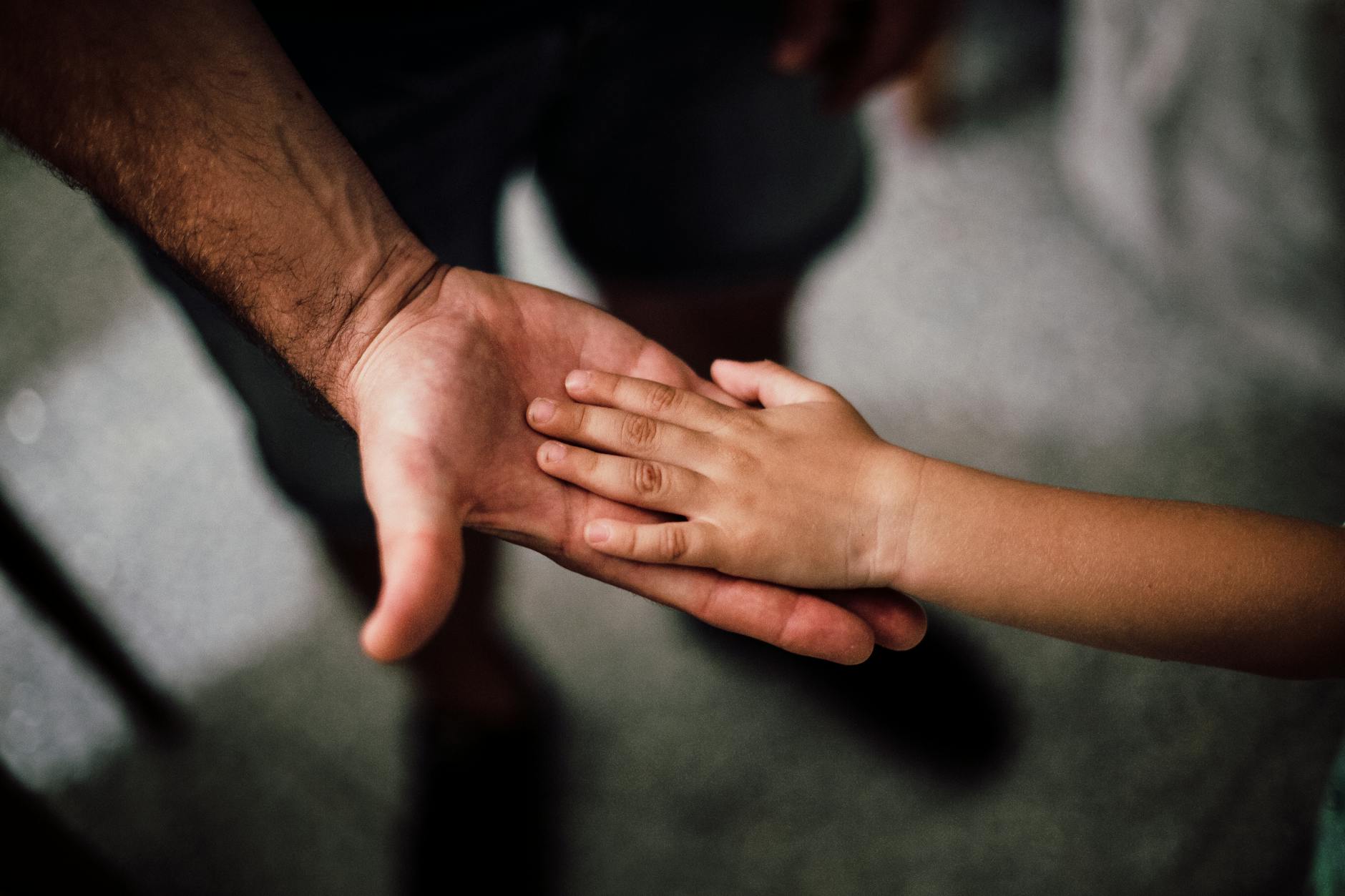
The Unique Bond with a Father
The bond with a father is unique for every individual. Fathers are often seen as protectors, role models, and providers of wisdom. Losing such a figure can feel like losing a part of oneself. For many, a father represents the foundation of their upbringing, and without that anchor, the world can seem chaotic and uncertain.
Coping Mechanisms
Grieving is an intensely personal experience, and there is no “right” way to cope. However, here are some strategies that can help:
- Allow Yourself to Grieve: Give yourself permission to feel all your emotions. It’s okay to cry, to be angry, and to feel lost.
- Seek Support: Lean on friends, family, or support groups. Sharing your feelings with others who understand can provide comfort and reduce feelings of isolation.
- Professional Help: Consider seeing a therapist or counselor, especially if your grief feels too overwhelming to manage on your own.
- Create a Tribute: Finding a way to honor your father’s memory can be therapeutic. This could be through a photo album, a dedicated space in your home, or a ritual on special dates.
- Take Care of Yourself: Grief can take a toll on your physical health. Make sure to eat well, exercise, and get plenty of rest.
- Find New Routines: Establishing new routines can help create a sense of normalcy and structure in your life.

The Impact on Family Dynamics
The death of a father can significantly alter family dynamics. Roles and responsibilities may shift, and each family member may cope differently. Open communication is essential to navigate these changes. Encourage family members to express their feelings and support each other through this difficult time.
Supporting Children Through Grief
Children grieve differently than adults, and their understanding of death varies with age. It’s crucial to be honest with them, provide reassurance, and maintain routines to give them a sense of stability. Books and resources designed for children can also be helpful in explaining the concept of death in an age-appropriate manner.
The Long Road Ahead
Grieving the loss of a father is not something that happens overnight. It’s a long journey that requires patience and compassion for oneself. Over time, the intense pain will lessen, and the good memories will become more prominent.
Seek Support and Embrace Healing
If you or someone you know is struggling with the loss of a father, remember that you don’t have to go through it alone. Reach out to support groups, counseling services, or trusted friends and family members. Embrace the journey of healing, and allow yourself the grace to move forward, cherishing the memories while finding new ways to live a fulfilling life.
Final Thoughts
Losing a father is one of the most challenging experiences one can endure. It’s a journey that requires time, support, and self-compassion. By understanding the stages of grief, embracing coping mechanisms, and seeking support, it’s possible to navigate this difficult path.
***This article is written in memory of my beloved husband, who left us far too early. His passing was a profound loss that reshaped our family in ways I could never have imagined. Through this journey of grief and healing, I have learned invaluable lessons about the strength of love, the importance of support, and the resilience of the human spirit. It is my hope that sharing these insights will offer comfort and guidance to others navigating similar heartache.***
Remember, healing is not about forgetting but about finding a way to live with the loss while cherishing the memories that remain.
Let us come together in support and compassion, helping each other through the journey of grief. Share your stories, reach out for help, and know that you are not alone.



 Sonia M. Rompoti, MSc, Bsc
Leave a comment