


Welcome to our Tuesday Book Club!
Today, we dive into the magical world of “The Night Circus” by Erin Morgenstern. This novel, with its enchanting atmosphere and intriguing characters, has captivated readers since its release.
Let’s explore the depths of this fantastical tale and discuss its many layers, themes, and the magic it holds.

Introduction to “The Night Circus”
“The Night Circus” is a debut novel by Erin Morgenstern, published in 2011. Set in the late 19th and early 20th centuries, the story revolves around a mysterious, magical circus that only operates at night. This circus, Le Cirque des Rêves, is not just any circus; it is a battleground for two young illusionists, Celia Bowen and Marco Alisdair, who have been trained since childhood to compete against each other in a high-stakes magical duel.
The Premise
The novel begins with the creation of Le Cirque des Rêves, a circus unlike any other, appearing without warning and enchanting all who visit. The circus is a black-and-white wonderland, filled with breathtaking acts and mystical experiences.
Behind the scenes, however, lies a fierce competition between two magicians, orchestrated by their mentors who have very different philosophies about magic and control.
Main Characters
- Celia Bowen: The daughter of Prospero the Enchanter, she has a natural talent for magic. Trained rigorously by her father, she becomes one of the key competitors in the duel.
- Marco Alisdair: An orphan taken in by Mr. A.H., he is trained in the arts of illusion and magic through books and rigorous exercises. He becomes Celia’s opponent, although neither of them fully understands the rules or the stakes of the competition.
- Chandresh Christophe Lefevre: The mastermind behind the creation of the circus, a wealthy and eccentric entrepreneur who brings together a group of talented individuals to bring his vision to life.
- The Murray Twins: Poppet and Widget, born on the night the circus opens, possess unique abilities that tie them deeply to the fate of the circus.
Setting and Atmosphere
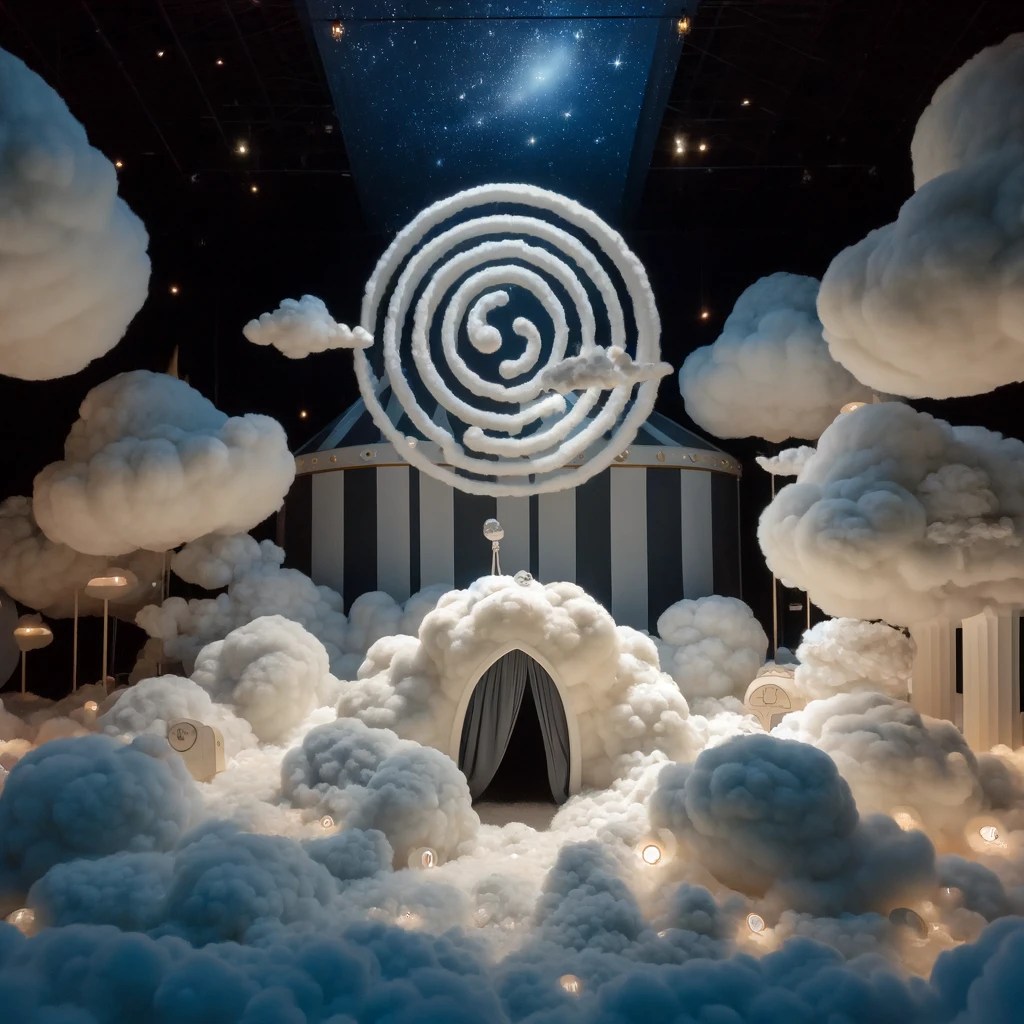
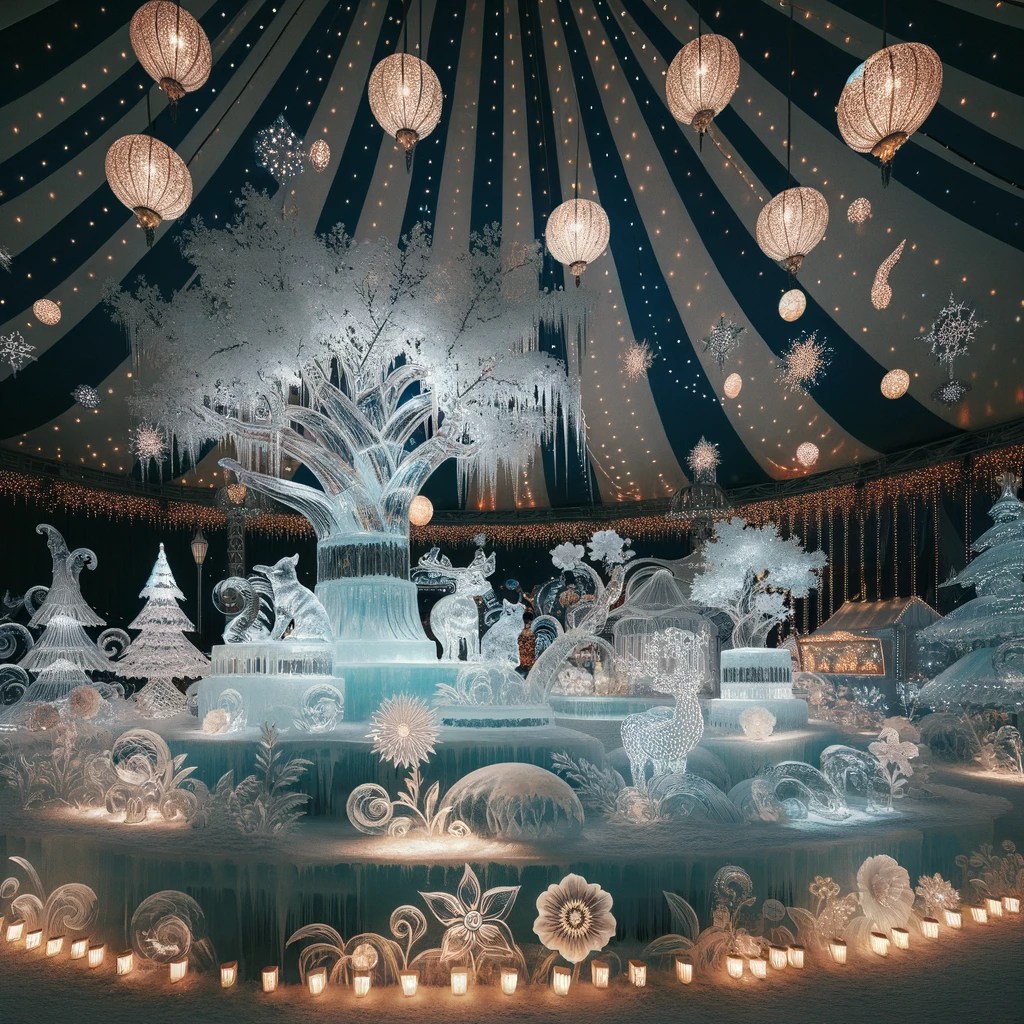
Morgenstern’s prose paints a vivid picture of the circus, with its intricate tents and enchanting performances. The setting itself is a character, with each tent offering a unique experience—from the Ice Garden to the Cloud Maze. The use of sensory details immerses readers in the world of Le Cirque des Rêves, making it almost palpable.
Magic and Competition
At its core, “The Night Circus” is about magic and competition. The duel between Celia and Marco is not just a test of their skills but also a philosophical battle between their mentors. This theme explores the nature of magic—whether it should be controlled and harnessed or left to its own devices.
The Power of Dreams
Le Cirque des Rêves translates to “The Circus of Dreams,” and dreams play a significant role in the story. The circus itself is a manifestation of dreams and imagination, offering a sanctuary for dreamers and those seeking an escape from reality.
The theme of dreams speaks to the power of creativity and the human desire for wonder and enchantment. Yet, as Celia and Marco grow closer, their relationship complicates the competition.
Time and Fate
Time is a recurring motif in “The Night Circus,” with the circus operating only at night and seemingly existing outside the normal flow of time.
The clockmaker Herr Thiessen’s creation, the intricate clock at the circus entrance, symbolizes the fluid and magical nature of time within the circus.
Fate and destiny are also explored through the characters’ intertwined lives and the inevitable conclusion of the competition.
Discussion Points
Character Development
Celia and Marco’s growth throughout the novel is a key discussion point. Their initial understanding of the competition and their roles in it evolve significantly, particularly as they fall in love.
Not wanting to give away the plot of the novel, this is a strange relationship, based on fate. It explores how fate controls even the smallest details in our lives, without us realising it until it is too late.
The Circus as a Metaphor
Le Cirque des Rêves serves as a powerful metaphor for various concepts—imagination, freedom, and the human experience. How does the circus reflect the inner worlds of the characters? That is something you need to discover for yourself! ;)
The Ending
The novel’s conclusion is both satisfying and open-ended. I keep wondering, even now -ages after I’ve finished this book- how do the choices made by Celia and Marco shaped the future of Le Cirque des Rêves?
If you haven’t already, grab a copy of “The Night Circus” and immerse yourself in its magical world. Join us in our next Tuesday Book Club session, where we’ll delve into another captivating novel.
Don’t forget to share your thoughts and favorite moments from “The Night Circus” in the comments below. Let’s keep the conversation going and continue exploring the wonders of literature together!



 Sonia M. Rompoti, MSc, Bsc
Leave a comment