


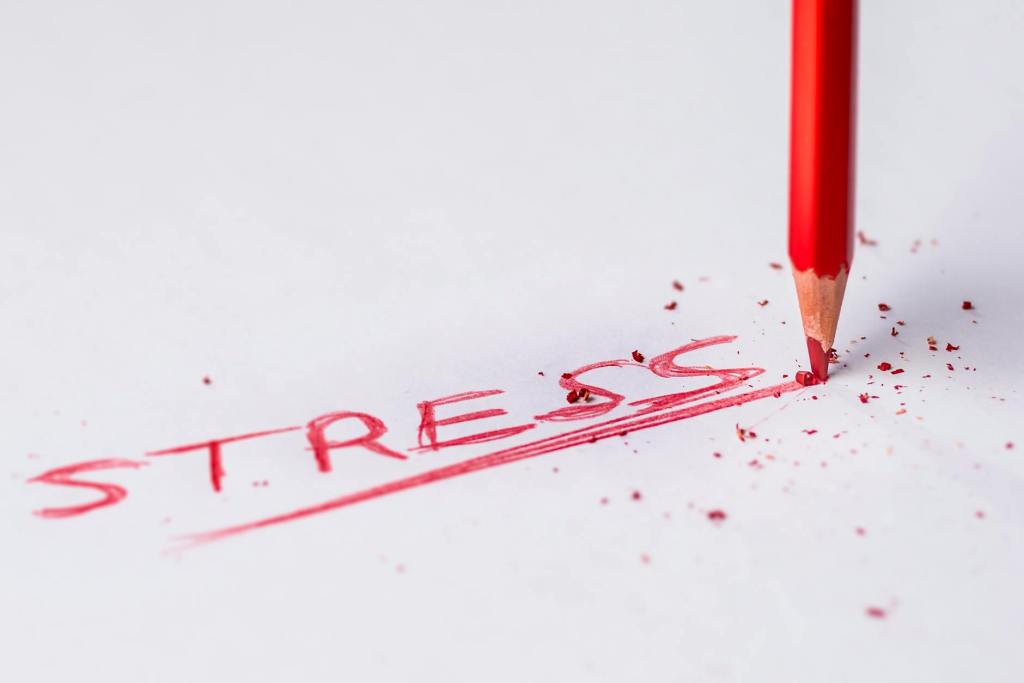
Stress is an inevitable part of life, but how we manage it can make a significant difference in our overall well-being.
Cognitive Behavioral Techniques (CBT) offer practical tools for managing stress effectively. This guide explores various CBT methods that can help you combat stress, improve your mental health, and lead a more balanced life.
What is Cognitive Behavioral Therapy?
Cognitive Behavioral Therapy (CBT) is a structured, time-limited therapy that aims to change patterns of thinking or behavior that are causing people’s problems, and so change the way they feel.
It is based on the concept that thoughts, feelings, and behaviors are interconnected, and that changing negative thoughts and behaviors can improve mental health.

Understanding Stress and Its Impact
Stress is the body’s response to any demand or challenge. It can be positive (eustress) when it helps you stay alert and motivated, but chronic stress can lead to negative health outcomes, including anxiety, depression, and cardiovascular problems.
CBT Techniques for Stress Relief
- Cognitive Restructuring
- Identifying Negative Thoughts: The first step in cognitive restructuring is recognizing the automatic negative thoughts that contribute to stress. Keep a journal to note down these thoughts as they occur.
- Challenging Negative Thoughts: Once identified, question the validity of these thoughts. Are they based on facts or assumptions? What evidence supports or contradicts them?
- Reframing Negative Thoughts: Replace negative thoughts with more balanced and positive ones. For instance, instead of thinking, “I can never do anything right,” try, “I made a mistake, but I can learn from it and do better next time.”
- Behavioral Activation
- Activity Scheduling: Plan activities that bring you joy and a sense of accomplishment. Engaging in enjoyable activities can improve your mood and reduce stress.
- Gradual Exposure: If certain activities cause stress, gradually exposing yourself to these situations can help desensitize your anxiety over time.
- Mindfulness and Relaxation Techniques
- Mindfulness Meditation: Practice mindfulness to stay present and fully engage with the current moment. This can reduce the tendency to ruminate on past stressors or worry about future ones.
- Progressive Muscle Relaxation: This technique involves tensing and then slowly relaxing each muscle group in the body. It helps reduce physical tension and promotes a sense of calm.
- Problem-Solving Skills
- Identify the Problem: Clearly define the problem causing stress. Be specific about what the issue is and how it affects you.
- Generate Solutions: Brainstorm possible solutions without evaluating them initially. Think of as many potential solutions as possible.
- Evaluate and Choose Solutions: Assess the pros and cons of each potential solution and select the most feasible one.
- Implement and Review: Put the chosen solution into action and review its effectiveness. Adjust your approach if necessary.
- Thought Records
- Keeping a Thought Record: Document stressful situations, the thoughts and feelings that accompany them, and the subsequent behaviors. This practice can help identify patterns and triggers for stress.
- Analyzing Thought Records: Review your thought records to gain insights into how your thoughts influence your stress levels. This analysis can guide you in restructuring your thoughts and behaviors.
- Self-Compassion
- Practicing Self-Kindness: Treat yourself with the same kindness and understanding that you would offer to a friend. Recognize that it’s okay to make mistakes and that everyone has struggles.
- Mindful Self-Awareness: Be aware of your own suffering without judgment. Accept your emotions and thoughts without self-criticism.

Practical Applications of CBT for Stress Relief
- Work-Related Stress: Use cognitive restructuring to address thoughts like “I’ll never finish this project” by breaking tasks into manageable steps and focusing on one task at a time.
- Relationship Stress: Apply problem-solving skills to resolve conflicts and improve communication. Engage in active listening and express your needs clearly.
- Health-Related Stress: Use mindfulness to stay present and reduce anxiety about future health outcomes. Practice relaxation techniques to manage physical symptoms of stress.
- General Anxiety: Keep a thought record to identify and challenge catastrophic thinking. Engage in activities that promote relaxation and well-being.
Final Thoughts
Implementing these Cognitive Behavioral Techniques can significantly improve your ability to manage stress. Start by choosing one or two techniques that resonate with you and integrate them into your daily routine.
Remember, change takes time and practice, so be patient with yourself as you work towards a more balanced and stress-free life.
For more personalized guidance, consider seeking help from a licensed CBT therapist. They can provide tailored strategies and support to help you navigate stress more effectively.
Take the First Step Today! If you’re ready to take control of your stress, why not start a thought journal today? Documenting your thoughts and feelings is a powerful first step in identifying and challenging stress-inducing patterns. Don’t wait—begin your journey to a stress-free life now!



 Sonia M. Rompoti, MSc, Bsc
Leave a comment