


Have you ever wondered if you could make your household cleaners work a little harder by mixing them together? While it might seem like a clever hack to double up on your cleaning power, this can actually be a dangerous gamble.
Every year, mixing common household cleaning products results in a range of injuries from mild respiratory irritation to serious chemical burns.
Let’s uncover the potentially hazardous combinations lurking in your cleaning closet and learn how to use these products safely.
But first, when discussing household cleaning products, it’s important to consider their types, uses, and safety precautions.
Types of Household Cleaning Products
- All-Purpose Cleaners: These are versatile and can be used on multiple surfaces. They are effective for general cleaning tasks around the house.
- Disinfectants: Used for killing bacteria, viruses, and fungi. Important for areas like bathrooms and kitchens.
- Glass Cleaners: Formulated to provide a streak-free shine on glass surfaces such as windows and mirrors.
- Floor Cleaners: These vary depending on the type of flooring (hardwood, tile, etc.) and are designed to clean without damaging the floor material.
- Toilet Bowl Cleaners: Specifically made to clean and disinfect the toilet bowl with minimal scrubbing.
- Bleach: A powerful disinfectant known for its ability to whiten and sanitize.
Common Uses of Household Cleaning Products
- Routine Cleaning: Regular use of all-purpose cleaners and glass cleaners to keep surfaces clean and hygienic.
- Deep Cleaning Sessions: Using specialized products like oven cleaners, mold removers, and toilet bowl cleaners to tackle tougher grime and bacteria.
- Sanitizing: Using disinfectants on high-touch areas like doorknobs, countertops, and appliances to prevent the spread of germs.
Safety Precautions To Keep in Mind
- Proper Ventilation: Ensure that the area is well-ventilated while using strong chemicals to avoid inhaling fumes.
- Wear Protective Gear: Use gloves, and sometimes masks, especially when using products with harsh chemicals like bleach.
- Follow Directions: Always read and follow the manufacturer’s instructions on the product’s label. Overuse or improper mixing of chemicals can be hazardous.
- Safe Storage: Keep cleaning products out of reach of children and pets. Store them in a cool, dry place to prevent accidental chemical reactions.
Understanding these facets of household cleaning products helps ensure that they are used effectively and safely, maintaining a clean and healthy home environment.

Understanding Chemical Reactions
Before we dive into the specifics, let’s talk a bit about what happens when you mix chemicals. At a molecular level, when certain chemicals combine, they react to form new substances. Some of these reactions can release toxic gases or create other harmful effects. Knowing the science behind these reactions can help prevent accidents and keep your home safe.
Common Hazardous Combinations
1. Bleach and Ammonia Mixing bleach with ammonia produces chloramine vapors, which can quickly cause respiratory distress and other symptoms like watery eyes and a sore throat. It’s easy to accidentally mix these substances since ammonia is found in many window cleaners, and bleach is a common component of mold and mildew removers.
2. Bleach and Vinegar The combination of bleach and vinegar, although it might seem effective for tough stains, actually releases chlorine gas. This toxic gas can cause coughing, breathing difficulties, and burning, watery eyes. It’s a risky mix that should be avoided at all costs.
3. Bleach and Rubbing Alcohol One of the most dangerous mixes is bleach and rubbing alcohol. This combination creates chloroform, which can be incredibly harmful, potentially causing dizziness, nausea, loss of consciousness, and even death in high enough concentrations.
4. Hydrogen Peroxide and Vinegar This mix might be suggested in some DIY cleaning guides, but combining hydrogen peroxide and vinegar creates peracetic acid. This highly corrosive acid can irritate or damage the skin, eyes, and respiratory system, so it’s best to use these products separately.
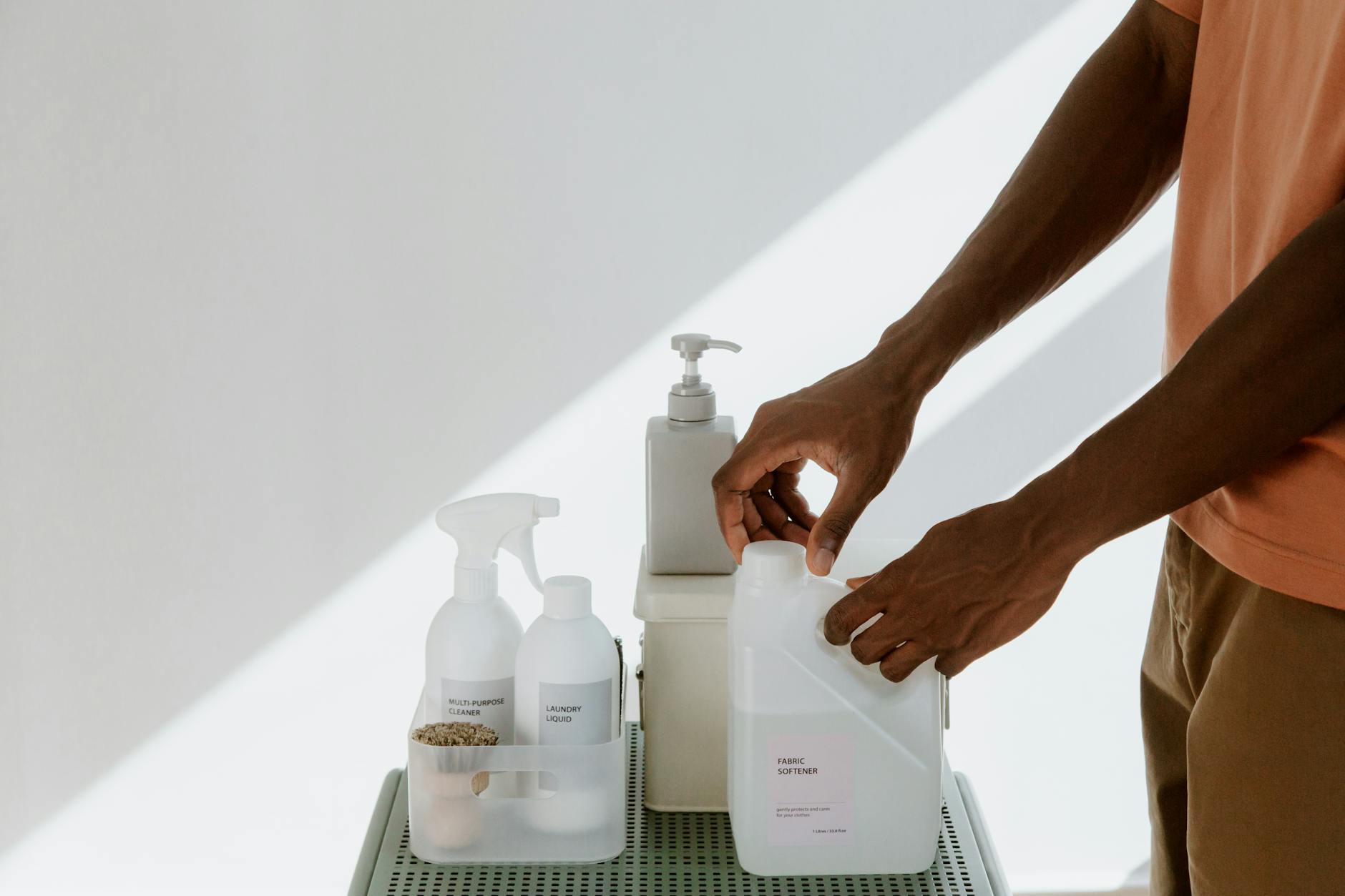
Alternatives and Solutions for Safer Home Cleaning
While it’s crucial to know which household cleaning products should never be mixed due to the dangerous chemicals they can release, it’s equally important to understand the safer alternatives available.
These alternatives not only prevent the risks associated with chemical reactions but also often offer environmental benefits.
Natural Options
1. Vinegar and Baking Soda
- Uses: This combination is effective for cleaning sinks, refreshing drains, and even removing stains from fabric. Vinegar’s acidity and baking soda’s mild abrasive properties work well together without harmful effects.
- Recipe: Mix half a cup of baking soda with a quarter cup of vinegar for an effervescent cleaning solution.
2. Lemon Juice
- Uses: Lemon juice is great for dissolving soap scum and hard water deposits. It’s also a natural whitener and deodorizer.
- Tip: Apply lemon juice directly to stains on countertops or mix with olive oil for a natural furniture polish.
3. Castile Soap
- Uses: An all-natural, vegetable-based soap, Castile soap is gentle yet effective and can be used for everything from floor cleaning to dishwashing.
- Recipe: For an all-purpose cleaner, mix a quarter cup of Castile soap in one quart of water. Add essential oils for fragrance and additional antibacterial properties.
Commercial Eco-Friendly Products
1. Certified Eco-Friendly Cleaners
- Benefits: These products are designed to be safe for the environment and are generally free from harsh chemicals. They often come in sustainable packaging and feature biodegradable formulas.
- Examples: Brands like Seventh Generation, Ecover, and Method offer a range of cleaners from laundry detergents to all-purpose sprays that are environmentally responsible.
2. Concentrated Cleaners
- Benefits: Concentrated products reduce the amount of plastic packaging needed and lower the carbon footprint associated with shipping water weight. Users dilute a small amount of concentrate with water in a reusable container.
- Examples: Companies like Blueland and Clean Cult provide concentrated solutions for various cleaning needs.
Benefits of Using Alternative Cleaning Solutions
Health Benefits
- Reduced Exposure to Toxins: Using natural or certified eco-friendly products minimizes your exposure to harsh chemicals that can cause health issues, including respiratory problems and skin irritation.
- Safer Home Environment: Fewer chemicals in your cleaning products mean a safer environment, especially for children and pets.
Environmental Benefits
- Less Pollution: Eco-friendly and natural cleaning products typically contain ingredients that are less damaging to waterways and ecosystems.
- Sustainable Practices: Many eco-friendly brands focus on sustainable practices, including using recycled materials for packaging and sourcing ingredients responsibly.
Economic Benefits
- Cost-Effective: Making your own cleaning products from ingredients like vinegar, baking soda, and lemon can be significantly cheaper than purchasing commercial products.
- Less Waste: Using concentrated products and making DIY cleaners can reduce the amount of waste your household produces, from plastic bottles to harmful chemicals.
Understanding what cleaning products should not be combined is crucial for maintaining a safe home environment. Always prioritize safety over convenience, and remember that some substances simply aren’t meant to mix.
If this guide was helpful, share it with friends and family to spread the word about safe cleaning practices. Your vigilance could prevent harmful accidents. Subscribe to our newsletter for more useful tips on keeping your home safe and clean!



 Sonia M. Rompoti, MSc, Bsc
Leave a comment