



As homeowners or renters, we often find ourselves questioning the lifespan of our household items. Whether it’s the creaking bed or the flickering light bulb, everything has an expiry date. Understanding when to replace these items can save you money in the long run and ensure your home remains safe and comfortable.
This article guides you through the typical lifespans of various home items, complete with helpful tips and clear visuals to keep your living space in top condition.
Let’s embark on this journey of home rejuvenation together!
The Risks of Not Replacing Household Items on Time
Delaying the replacement of household items can have several negative consequences, ranging from minor inconveniences to serious safety risks. Here’s what can happen if you don’t stay on top of updating your home essentials:
- Increased Costs: Appliances and items that are past their prime often consume more energy and require frequent repairs. For instance, an old refrigerator or air conditioning unit may work harder to maintain temperature due to inefficient motors or degraded sealing, leading to higher electricity bills.
- Health Hazards: Items like mattresses and pillows can harbor dust mites and allergens over time, which can exacerbate allergies and respiratory issues. Similarly, using outdated cookware, such as scratched non-stick pans, can lead to harmful chemicals leaching into your food.
- Reduced Efficiency: Older products often do not perform as well as their newer counterparts. A dishwasher that’s past its lifespan might not clean dishes thoroughly, leading to wasted water and energy, not to mention the frustration of having to rewash items.
- Safety Risks: Perhaps most critically, failing to replace items like smoke detectors and water heaters can pose direct safety risks. A non-functional smoke detector can fail to alert you to a fire, and an old water heater might leak or even burst, potentially causing water damage or personal injury.
To help you manage the upkeep of your home effectively, we are including a detailed list of essential household items along with their average lifespans. This list serves as a practical reference to prioritize replacements and ensure your home remains a safe, efficient, and comfortable space.
By understanding the potential risks of outdated household items and knowing when they typically need replacement, you can plan updates accordingly and avoid the pitfalls of delayed maintenance.
This proactive approach not only preserves the condition and safety of your home but also enhances your quality of life by ensuring that your living environment remains up to date and efficient.
Kitchen
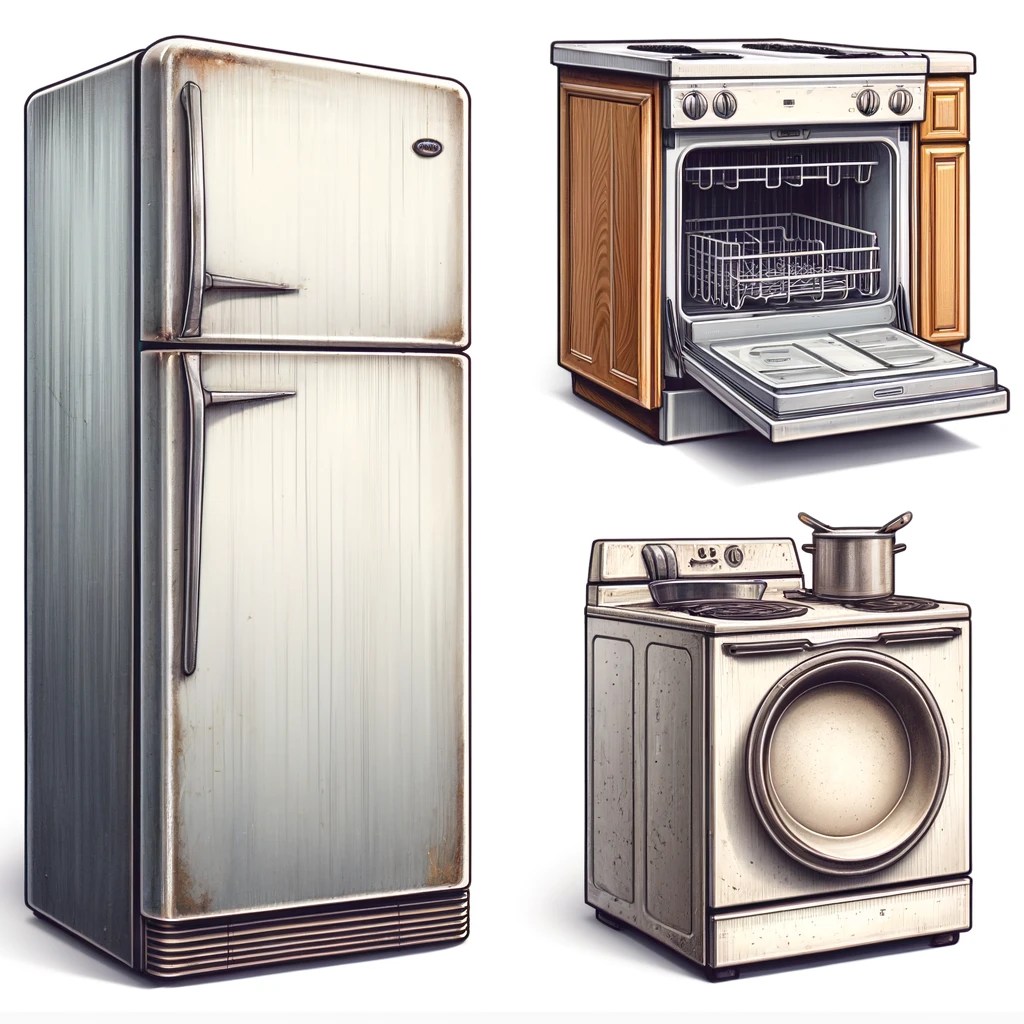
- Refrigerator: Typically, refrigerators last about 10-13 years. Look out for signs like excessive condensation, a struggling motor, or if it’s not keeping your food cold enough.
- Dishwasher: Dishwashers have a lifespan of around 9-10 years. If you notice it’s no longer cleaning properly, it may be time for an upgrade.
- Cookware: Non-stick pans should be replaced every 5 years, or sooner if the coating starts to chip or flake. Cast iron, however, can last a lifetime if properly maintained.
Bedroom
- Mattresses: Every 7-10 years is a good rule of thumb for mattresses, depending on the material and quality. Signs of sagging, noticeable lumps, and waking up with aches are clear indicators it’s time for a new one.
- Pillows: Replace your pillows every 1-2 years to prevent build-up of dust mites and skin oils that can affect your health.
Living Room
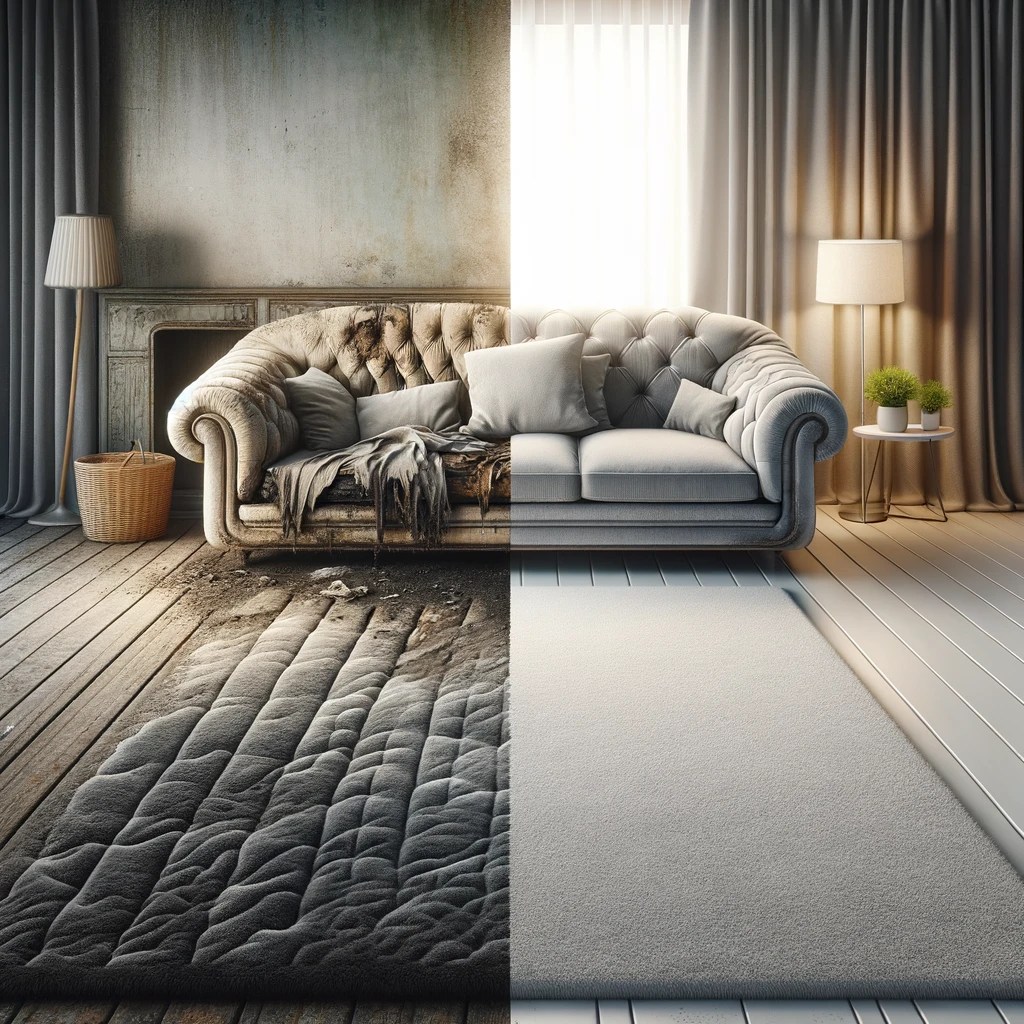
- Sofas and Chairs: These should be replaced every 7-15 years. Fabric can become threadbare, and cushions lose their support over time.
- Carpets: High-traffic areas will see carpets last about 5-10 years. Signs of wear, stains that can’t be removed, and odors are indicators that it’s time for them to go.
Bathroom
- Towels: Bath towels should be replaced every 2 years to maintain hygiene and effectiveness.
- Shower Curtain: A shower curtain can last about 6 months to a year before it should be replaced due to mold and mildew buildup.
Utilities
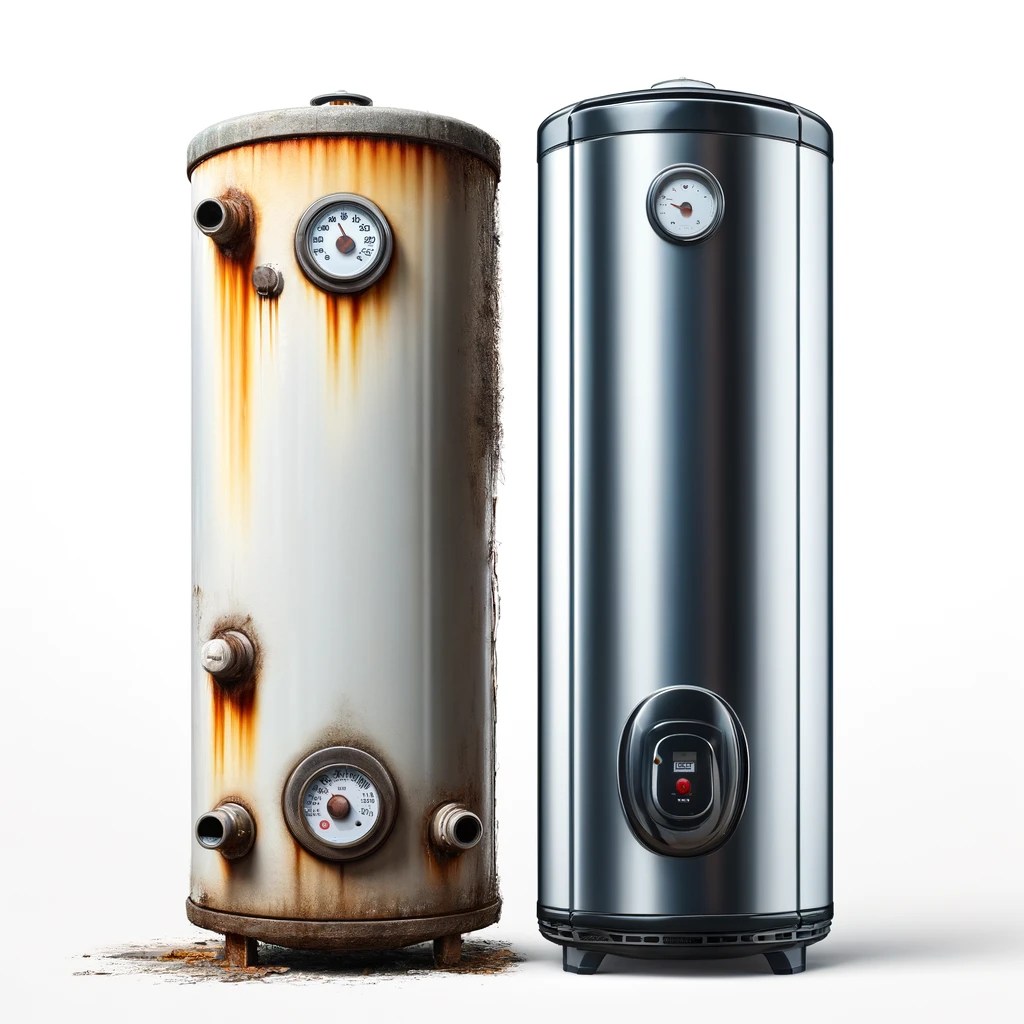
- Water Heater: These typically last 10-15 years. Rust-colored water, rumbling noises, or leaks are signs that it’s time for a replacement.
- HVAC System: HVAC systems should be checked yearly and generally last about 15-20 years. Inefficiency in heating or cooling your home can signal it’s time for maintenance or replacement.
Electronics
- Smoke Detectors: These should be replaced every 10 years, and batteries should be checked annually.
- Computers: Typically, computers are good for about 3-5 years before they start to lag significantly.
Safety and Maintenance Tips
- Regular Checks: Keep a schedule to check the functionality of critical items like smoke detectors and major appliances.
- Professional Advice: When in doubt, consult with a professional to assess whether an item needs to be replaced.
Final Thoughts
Keeping track of when to replace household items is key to maintaining a safe and efficient home environment. Not only does this keep your living space fresh and inviting, but it also helps in preventing the hazards that come with outdated or malfunctioning equipment.
Ready to rejuvenate your home? Start by assessing one room at a time, and don’t forget to check out our latest guides and visual resources to help you determine what needs to go and what can stay a little longer. Refresh your space today!



 Sonia M. Rompoti, MSc, Bsc
Leave a comment