


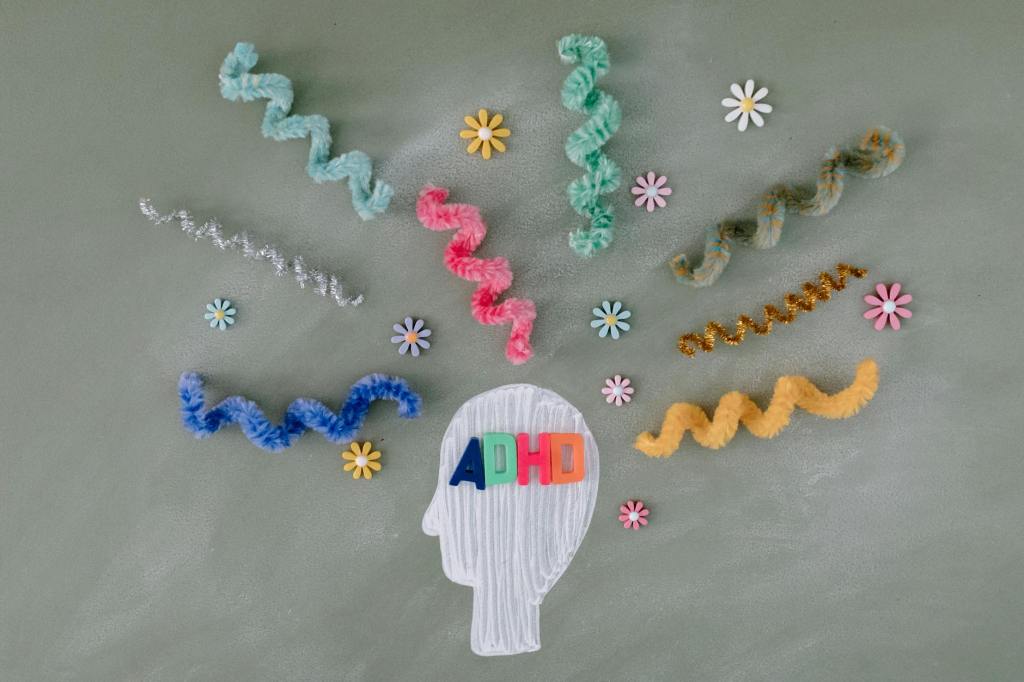
Attention-Deficit/Hyperactivity Disorder (ADHD) is more than just occasional hyperactivity or distraction. For many young children, it’s a daily challenge that affects their learning and social interactions.
Recognizing the early signs of ADHD can pave the way for effective management and support, ensuring these children thrive.
This article will guide you through understanding the early signs, the impact of ADHD, and the steps to take if you suspect your child may be affected.
What is ADHD?
ADHD is a neurological disorder characterized by a pattern of inattention, hyperactivity, and impulsivity that is more frequent and severe than typically observed in individuals at a comparable level of development.
This condition is commonly diagnosed in childhood and can persist into adulthood. There are three types of ADHD:
- Predominantly Inattentive Presentation: Difficulties with organization and sustained focus.
- Predominantly Hyperactive-Impulsive Presentation: Seemingly boundless energy and making hasty actions that occur in the moment without thought.
- Combined Presentation: Symptoms of both of the above types are equally present.
Understanding these types helps in identifying how symptoms manifest uniquely in each child.
Early Signs of ADHD in Young Children
1. Inattention: Young children with ADHD might seem to listen when spoken to, struggle to follow through on instructions, and fail to finish schoolwork or chores. A child who often loses tools necessary for tasks or activities could be showing early signs of ADHD.

2. Hyperactivity: Children showing signs of hyperactivity may seem to be in constant motion, running and climbing inappropriately. Sitting still at dinner or during story time can be notably hard for them. They may also talk excessively.

3. Impulsivity: Impulsive children may have difficulty waiting their turn. They might interrupt others, intrude on games, or be unable to wait for things they want. This impulsivity can appear as impatience, blurting out answers, and an inability to control immediate reactions.

Impact on Development and Learning
Without understanding and support, children with ADHD may struggle with low self-esteem, troubled relationships, and poor academic performance. Early intervention can mitigate these outcomes, enabling better adjustment as they grow.
Diagnosis and When to Seek Help
Diagnosing ADHD requires a comprehensive evaluation by a healthcare professional. If your child shows patterns of inattention, hyperactivity, and impulsivity across different settings—home, school, or during play—it might be time to seek a professional evaluation. Remember, these behaviors must be more severe than other kids their age and cause significant impairment.
Treatment and Management
While there is no ‘cure’ for ADHD, effective treatments can significantly reduce symptoms and improve functioning.
Treatment options include behavioral therapy, medications, and practical support at home and school. Tailored strategies and understanding can help manage the symptoms.
If you recognize any of these signs in your child, consider reaching out to a pediatrician or a child psychologist. Early professional advice can make a significant difference in managing ADHD effectively.
Early recognition of ADHD signs offers a crucial advantage in addressing the challenges of this disorder. With the right support and strategies, children with ADHD can lead successful, fulfilling lives. Let’s support them by ensuring they receive the understanding and help they need.



 Sonia M. Rompoti, MSc, Bsc
Leave a comment