


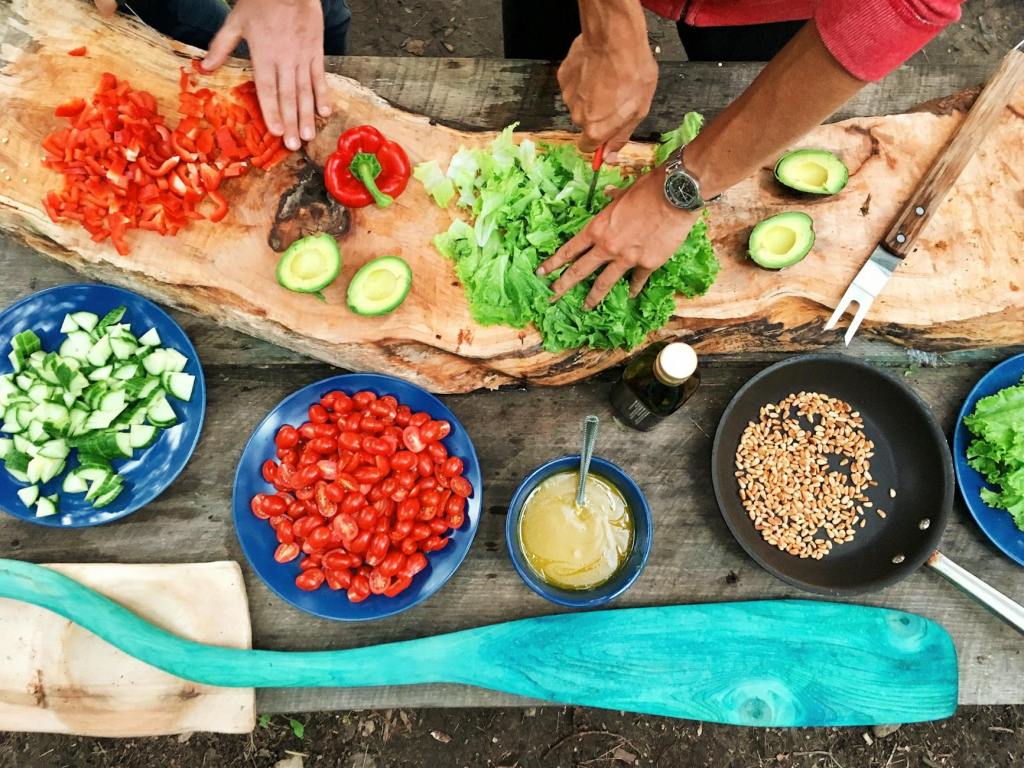
Imagine walking through the vibrant streets of Bangkok, Thailand, where the air is perfumed with the tantalizing aromas of lemongrass, fish sauce, and sizzling meats. Each street vendor offers a new discovery, a new taste, a new window into the rich tapestry of Thai culture.
This is culinary travel, a journey that not only satisfies your appetite but also deepens your understanding of diverse cultures through the universal language of food.
The Essence of Culinary Travel
Culinary travel is about more than indulging in gourmet dining; it’s about immersing oneself in the culinary traditions that define a culture. From savoring homemade pasta in a tiny Italian village to participating in a traditional Mexican tamale making workshop, these experiences allow travelers to connect with local traditions and learn the stories behind the dishes.

How to Experience Culinary Cultures
Planning Your Trip: Begin by selecting a destination known for its cuisine. Research local eating practices, seasonal foods, and must-try dishes. Tools like food blogs, travel forums, and culinary travel books can be invaluable.
During the Trip: Seek out local markets and street food vendors—these are the places where real, unadulterated local cuisine thrives. Engage with locals to learn about the ingredients and history of their dishes. Taking cooking classes can also offer hands-on insights and a chance to bring recipes home.
Top Destinations for Culinary Travelers
- Italy: Venture beyond pizza and pasta to discover the rich varieties of regional Italian cooking. In Tuscany, you might enjoy a glass of Chianti with a plate of wild boar ragù. Each region offers a unique flavor profile deeply rooted in local traditions.
- Japan: In Japan, the culinary experience is tightly interwoven with the changing seasons. From enjoying sakura mochi during cherry blossom season to savoring fresh sushi at a bustling Tokyo market, the Japanese respect for ingredients is palpable.
- Mexico: Explore the complex flavors of Oaxacan mole or the fresh tang of a ceviche in Yucatán. Mexican cuisine is a UNESCO Intangible Cultural Heritage, reflecting its deep cultural significance and variety.
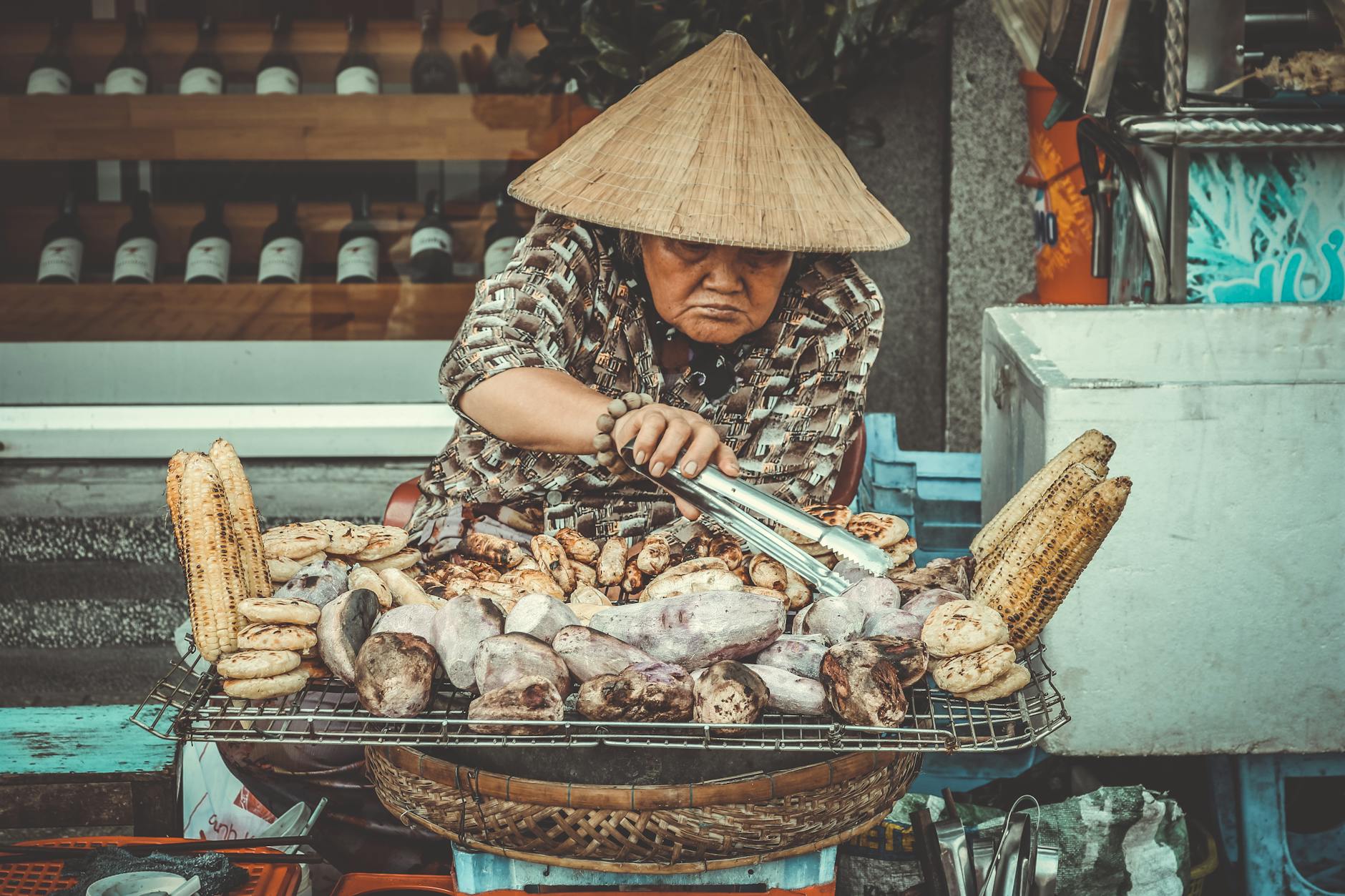
The Social and Economic Impact of Culinary Tourism
Culinary tourism not only delights the palate but also supports local economies. By engaging in food experiences that promote sustainable practices, travelers can have a positive impact on the communities they visit. Furthermore, such tourism helps preserve traditional knowledge and culinary techniques that might otherwise fade away.
Making the Most of Your Culinary Travel
Document your culinary adventures in a travel journal, noting down recipes, cooking techniques, and personal encounters. These memories create a culinary diary that can inspire future cooking and travel adventures.
Culinary travel is an enriching and immersive way to explore the world. It allows travelers to connect with different cultures through the most flavorful pathway—their cuisine. Each meal becomes a discovery, each bite a deeper understanding of a country’s heritage and people.
Ready to taste the world? Plan your culinary journey today and discover what the world has to offer through its kitchens and markets. Share your experiences and recipes with us and become part of our global community of culinary adventurers.



 Sonia M. Rompoti, MSc, Bsc
Leave a comment