


Stress is an ever-present part of adult life, stemming from various sources such as work, relationships, and personal challenges. While a certain level of stress can be motivating, excessive stress can harm our physical and mental health.
This article delves into stress management techniques grounded in psychological theory while offering practical tips to apply in your daily routine.
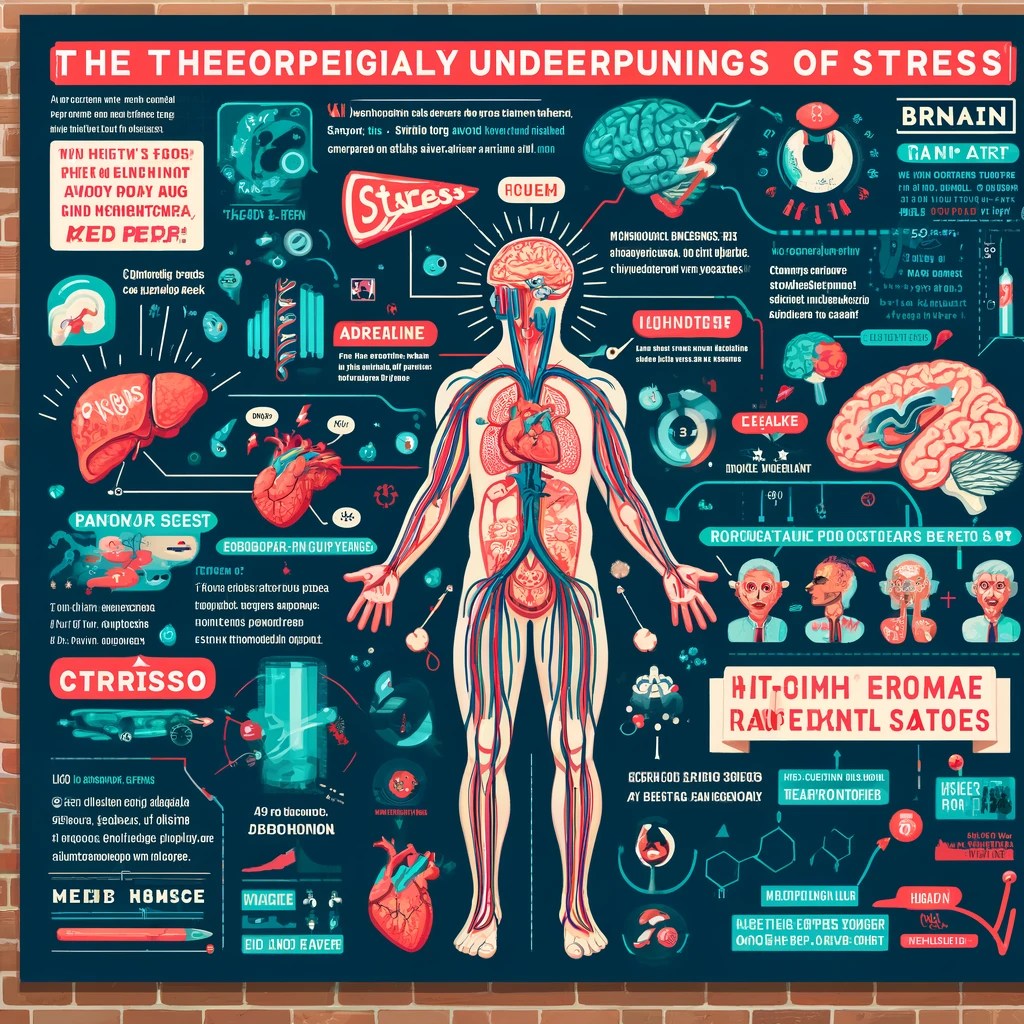
The Theoretical Underpinnings of Stress
Stress is your body’s response to demands or threats. When faced with a challenge, your body releases hormones like adrenaline and cortisol, triggering the ‘fight or flight’ response.
This reaction is beneficial in short bursts but can be damaging if it’s constantly activated.
Recognizing Stress Symptoms
Before diving into management techniques, it’s crucial to recognize the symptoms of stress. These can be physical (e.g., headaches, fatigue), emotional (e.g., irritability, anxiety), or behavioral (e.g., changes in eating habits). Awareness is the first step towards effective management.
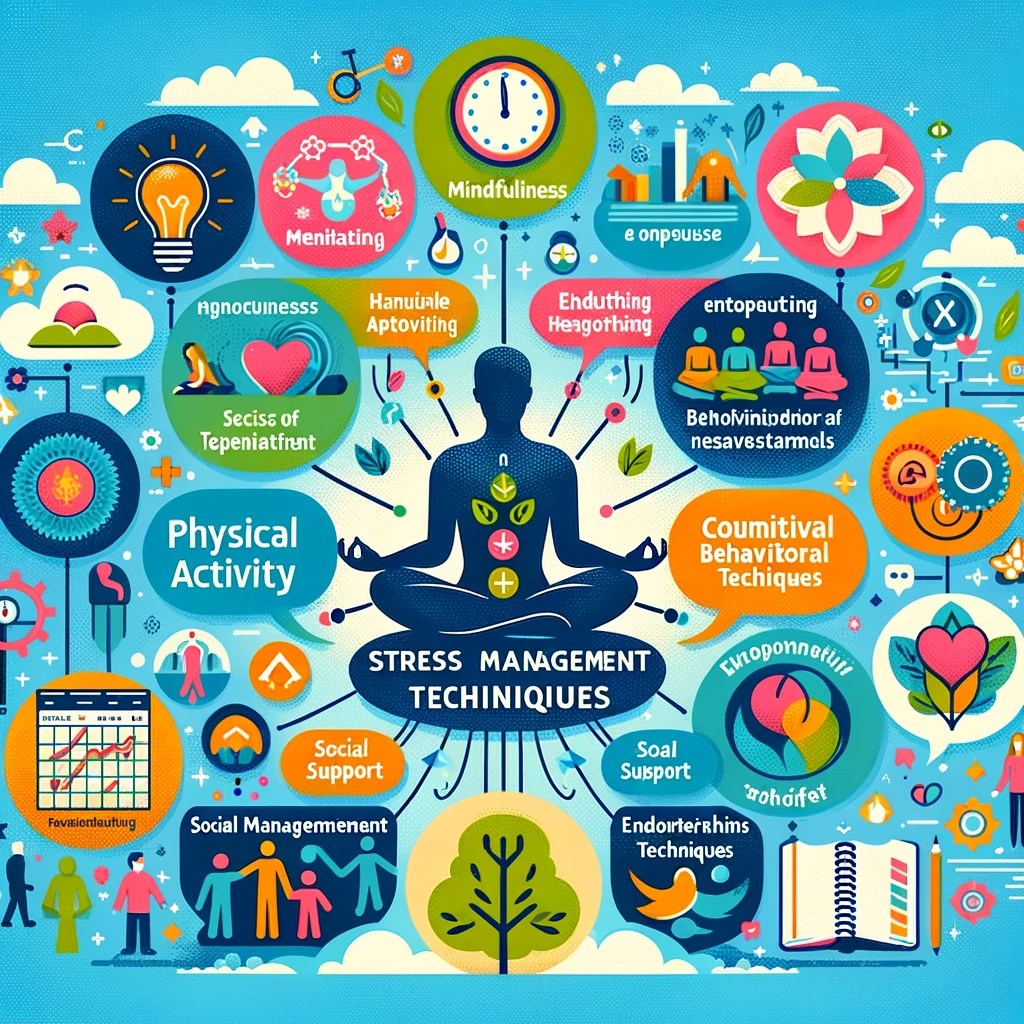
Practical Stress Management Techniques
- Mindfulness and Meditation: Rooted in psychological theory, mindfulness can reduce the activation of the amygdala, the brain’s “stress center.” Techniques include guided meditation, deep-breathing exercises, and mindfulness-based stress reduction (MBSR) practices.
- Physical Activity: Exercise isn’t just good for your body; it’s a powerful stress reliever. Activities like walking, yoga, or team sports can increase endorphins, your brain’s feel-good neurotransmitters, and distract you from daily worries.
- Time Management: Poor time management can lead to stress. Techniques such as setting realistic goals, breaking tasks into smaller steps, and using tools like planners or apps can help manage your time more effectively.
- Social Support: Building strong, supportive relationships is crucial. Sharing your stress with friends or family can provide a sense of belonging and significantly reduce stress levels.
- Cognitive-Behavioral Techniques: CBT can help you reframe negative thoughts that contribute to stress. Techniques include challenging negative thoughts, practicing gratitude, and developing positive coping strategies.
Implementing Techniques into Your Routine
Incorporating these techniques into your daily life requires consistency and patience. Start small, perhaps with a five-minute meditation each morning or a brief walk during your lunch break. Gradually, these small steps can lead to significant changes in how you manage stress.
A Balanced Approach to Stress Management
Managing stress is not about eliminating it entirely but about finding ways to cope with it effectively. By understanding the theoretical aspects of stress and applying practical techniques, you can navigate the challenges of adult life with resilience and poise.



 Sonia M. Rompoti, MSc, Bsc
Leave a comment