


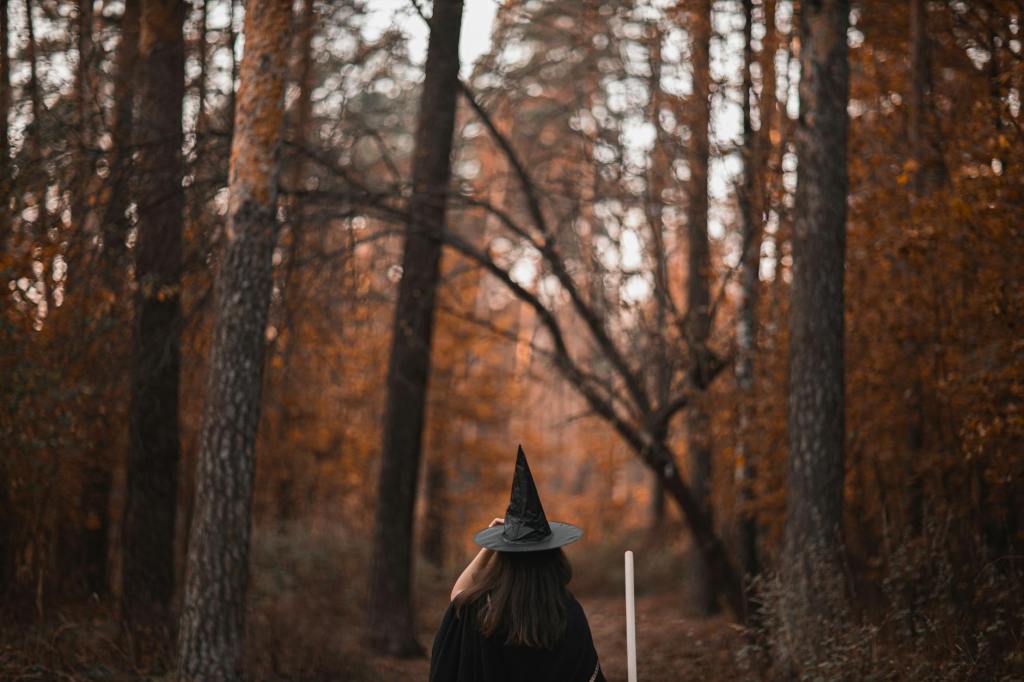
The figure of the witch has been a compelling staple in literature and media, evolving from the malevolent crones of Shakespeare’s Macbeth to the complex and diverse characters seen in modern movies and TV shows.
This transformation is not merely aesthetic or narrative but deeply psychological, reflecting shifting societal views on female power, independence, and the unknown.
In this article, we delve into the archetype of the witch, examining its origins, evolution, and what it signifies about our cultural psyche.
From Fear to Empowerment: The Evolution of the Witch Archetype
Historically, the witch has been portrayed as a figure of fear and loathing. In Shakespeare’s Macbeth, the witches represent fate and the supernatural, manipulating Macbeth with their prophecies. They are otherworldly, feared, and reviled, embodying the anxieties of their time about female autonomy and the mysterious forces of nature.
As society’s understanding of gender roles has evolved, so too has the portrayal of witches. The 20th and 21st centuries have seen a dramatic shift. Witches in literature and media have become more nuanced and multifaceted, reflecting a broader societal acceptance of female authority and independence.
Modern portrayals, such as those in Harry Potter, The Chilling Adventures of Sabrina, and WandaVision, often depict witches as complex characters with their own moral compasses, struggles, and triumphs.

Psychological Significance
The witch archetype is rich with psychological significance, embodying the Jungian concept of the shadow self—the part of us that we deny or hide from. Witches in stories often represent the untamed, the unrestrained, and the hidden aspects of our psyche, particularly those aspects that society has historically taught women to suppress: power, anger, sexuality, and independence.
This evolution mirrors the changing societal attitudes towards these qualities. Where once a powerful woman might be vilified, today, she can be celebrated. The modern witch is often a symbol of empowerment, resilience, and the rejection of traditional patriarchal norms.
Cultural Reflections
The portrayal of witches is also a cultural mirror, reflecting society’s fears and aspirations. The early depictions of witches as evil hags can be seen as a manifestation of societal anxieties around female autonomy and the unknown. In times of turmoil or change, these figures often became scapegoats for society’s ills.
Conversely, the more positive depictions of witches in contemporary media reflect an increasing societal value placed on diversity, empowerment, and personal freedom. They challenge the traditional narratives of what it means to be a woman, encouraging viewers to question and redefine their own beliefs and values.
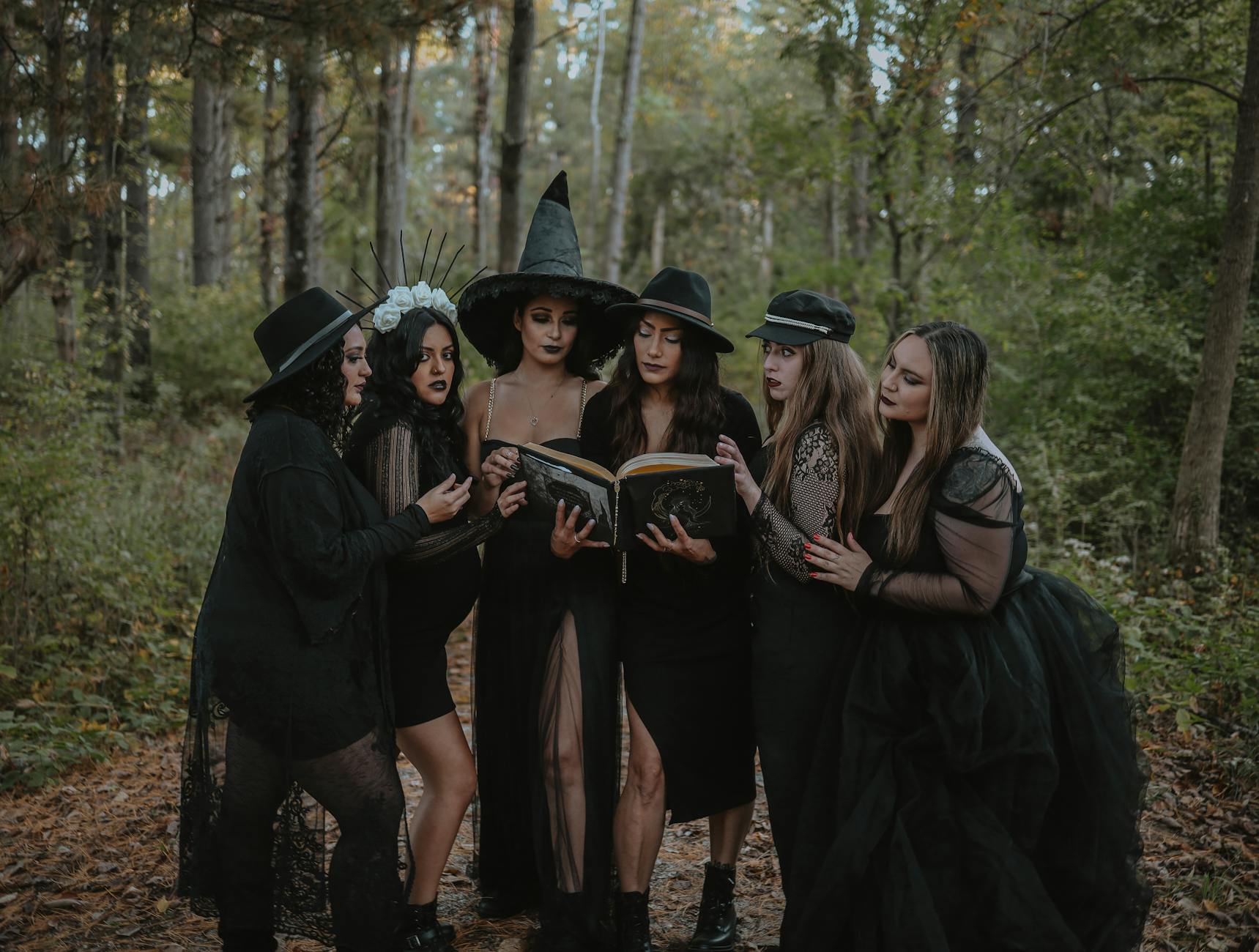
The Witch Today: Complex and Relatable
Today’s witches in literature and media are as diverse as society itself. They are heroes and villains, mentors and learners. They wield their powers for good and ill, navigating the same moral and ethical dilemmas as we do. This complexity makes them deeply relatable and fascinating, offering viewers and readers a lens through which to explore their own identities and beliefs.
Shows like Buffy the Vampire Slayer and Charmed have positioned witches as protectors of the innocent, battling against the forces of darkness. This portrayal reflects a broader cultural shift towards viewing female power as a positive force for change and protection.
A Call to Reflect and Reimagine
The evolution of the witch in literature and media from feared sorceress to empowered individual mirrors our own society’s growth and changing attitudes towards gender, power, and the unknown. As we engage with these stories, we are invited to reflect on our own biases and to reimagine what it means to wield power with integrity and wisdom.
Witches, with their rich history and psychological depth, will continue to captivate our cultural imagination. They challenge us to confront our fears, embrace our powers, and rewrite the narratives that define us.
Engage with the Magic
I encourage you to delve deeper into the world of witches in literature and media. Watch the movies and shows, read the books, and engage with the characters. Reflect on what these witches represent in your life and society. How do they inspire you? What fears do they help you to confront?
Share your thoughts and experiences in the comments below. Let’s continue the conversation and explore the magical and transformative power of witches together.



 Sonia M. Rompoti, MSc, Bsc
Leave a comment