


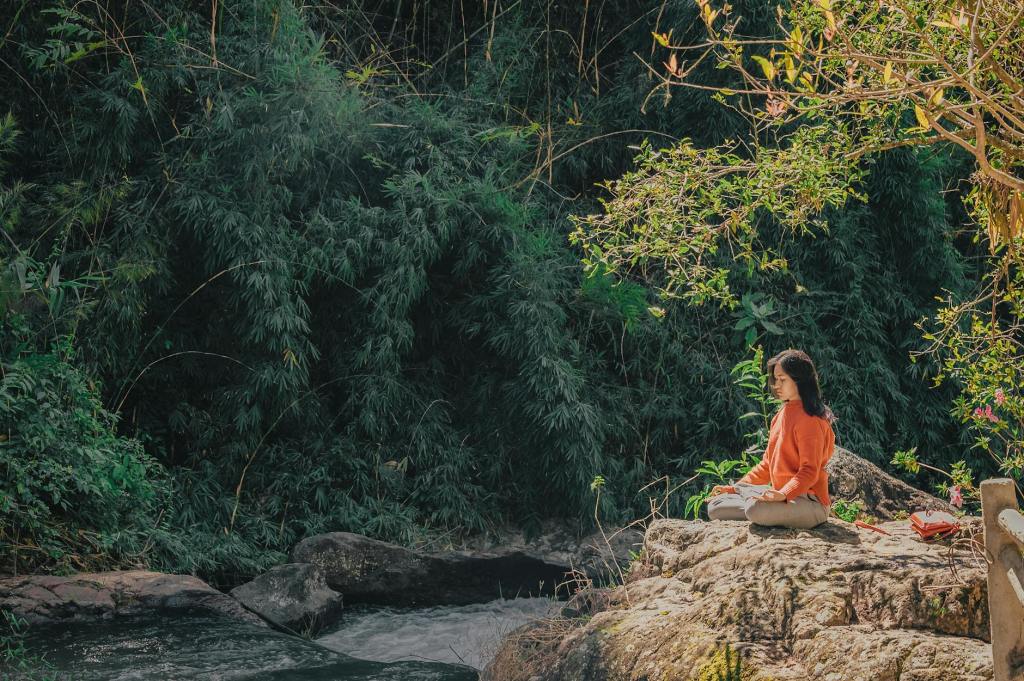
Have you ever felt a deep sense of calm wash over you as you stepped into a forest, or experienced a moment of awe while overlooking a verdant valley? There’s something inherently soothing about immersing ourselves in nature, an unspoken language of tranquility that the heart understands immediately.
This connection between our psychological well-being and the natural world is not just poetic musings but is rooted in scientific research. This article explores the profound effects of green spaces on our mental health, offering insights into how we can harness this natural remedy to live more mindful, fulfilled lives.
The Science Behind Nature’s Calm
The concept that humans are drawn to nature and feel at ease within it is known as the biophilia hypothesis. This innate attraction to life and lifelike processes is believed to be integral to our evolutionary success.
Scientific studies bolster this hypothesis, revealing that time spent in green spaces can significantly reduce stress, alleviate anxiety, and improve mood.
For instance, a study published in the International Journal of Environmental Research and Public Health found that participants who walked in a forest reported lower levels of stress and higher levels of happiness compared to those who walked in urban settings.

Mindfulness in Nature: A Path to Inner Peace
Mindfulness, the practice of being present and fully engaged with whatever we’re doing at the moment, is a powerful tool for mental health. Nature uniquely amplifies the benefits of mindfulness practices.
The simple act of listening to birdsong, feeling the breeze on your skin, or observing the intricate patterns of leaves can deepen mindfulness, grounding us in the present moment.
Researchers at the University of British Columbia conducted a study that revealed individuals who practiced mindfulness in natural settings reported greater well-being than those who practiced in indoor or urban environments.

Green Spaces as Therapeutic Landscapes
Therapeutic landscapes, or spaces that contribute to health and well-being, are increasingly recognized for their mental health benefits. Parks, gardens, and wilderness areas serve not just as recreational spaces but as sanctuaries for mental rejuvenation.
Personal stories abound of individuals finding solace and healing amidst nature. Sarah, a software developer grappling with burnout, found that regular weekend hikes in her local national park significantly improved her anxiety and overall mood. “It’s like pressing a reset button on my stress levels,” she explains.
Practical Tips for Incorporating Nature into Daily Life
Incorporating nature into our daily routines can be simpler than we might think, even for those of us living in urban environments. Here are a few suggestions:
- Begin your day with a short walk in a nearby park or garden.
- Practice mindful breathing or meditation in a quiet, green space.
- Plan weekend excursions to explore natural landscapes or hiking trails.
The Community and Environmental Impact
Our individual efforts to connect with nature can ripple out, benefiting our communities and the planet. Urban green spaces, such as parks and community gardens, play a crucial role in environmental sustainability and public health. They provide essential habitats for wildlife, help to cool cities, and improve air quality. By supporting local green initiatives, we contribute to creating healthier, more resilient urban environments.
Final Thoughts
The evidence is clear: green spaces have a profound impact on our psychological well-being. By integrating nature into our lives and practicing mindfulness in green settings, we can enhance our mental health, reduce stress, and find greater joy. Let us cherish and protect these natural sanctuaries, for they are not only crucial for our planet’s health but are vital wellsprings of peace and rejuvenation for our souls.
I invite you to take a step towards embracing the serenity offered by our natural world. This week, find a green space near you—be it a park, a garden, or a waterfront—and spend time there mindfully. Observe the life around you, breathe deeply, and let nature’s peace flow into you. Share your experiences and insights with friends or on social media, using #GreenMindfulness. Together, we can foster a deeper appreciation for the natural world and its healing powers.



 Sonia M. Rompoti, MSc, Bsc
Leave a comment