


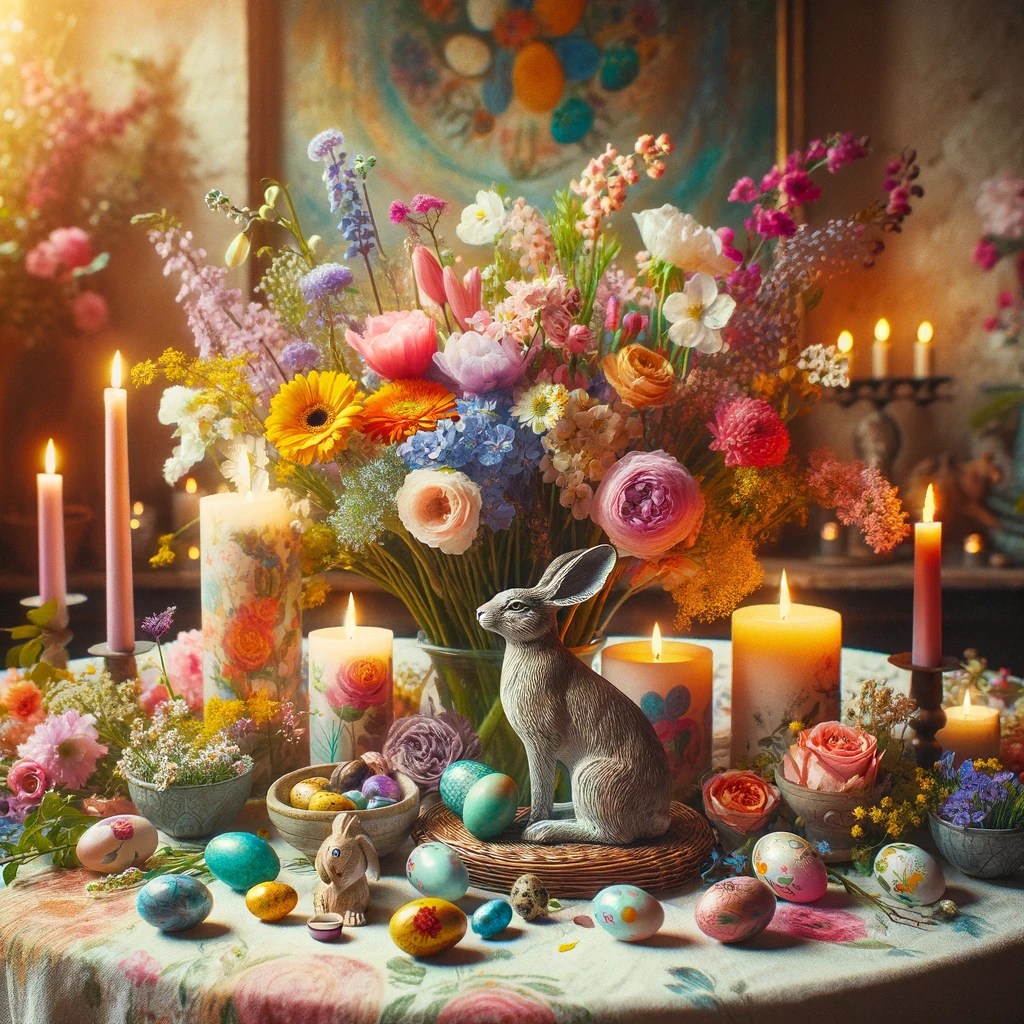
As the snow melts away and the first green shoots break through the thawing ground, we are reminded of the cycle of renewal and rebirth that governs our world.
Spring, with its vibrant colors, fragrant blossoms, and warmer days, brings with it a sense of renewal, rejuvenation, and new beginnings. In the realm of witchcraft, spring is a particularly significant time, celebrated for its magical properties and its association with fertility, growth, and the awakening of the earth.
This article delves into the magic of spring, exploring how it is celebrated in witchcraft through rituals, symbols, and traditions that honor this season of renewal.
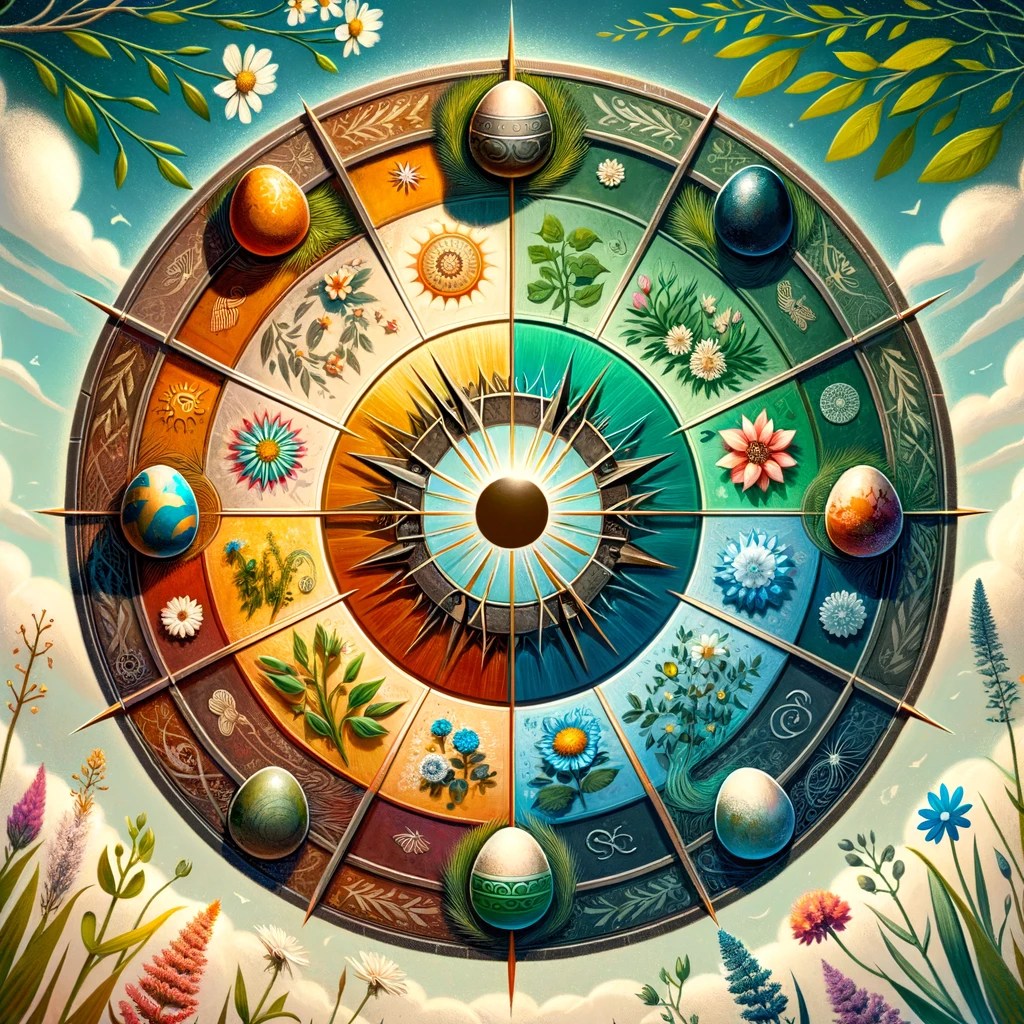
The Wheel of the Year and the Spring Equinox
In witchcraft, the cycle of the seasons is recognized and celebrated through the Wheel of the Year, which is made up of eight sabbats or holy days.
Among these, the Spring Equinox, or Ostara, is one of the most important. Occurring around March 20th, the Spring Equinox marks the point where day and night are of equal length, symbolizing balance and the return of light.
Ostara is named after the Germanic goddess of spring and dawn, Eostre, and is a time to celebrate the burgeoning life and potency of the earth.
Rituals and Practices
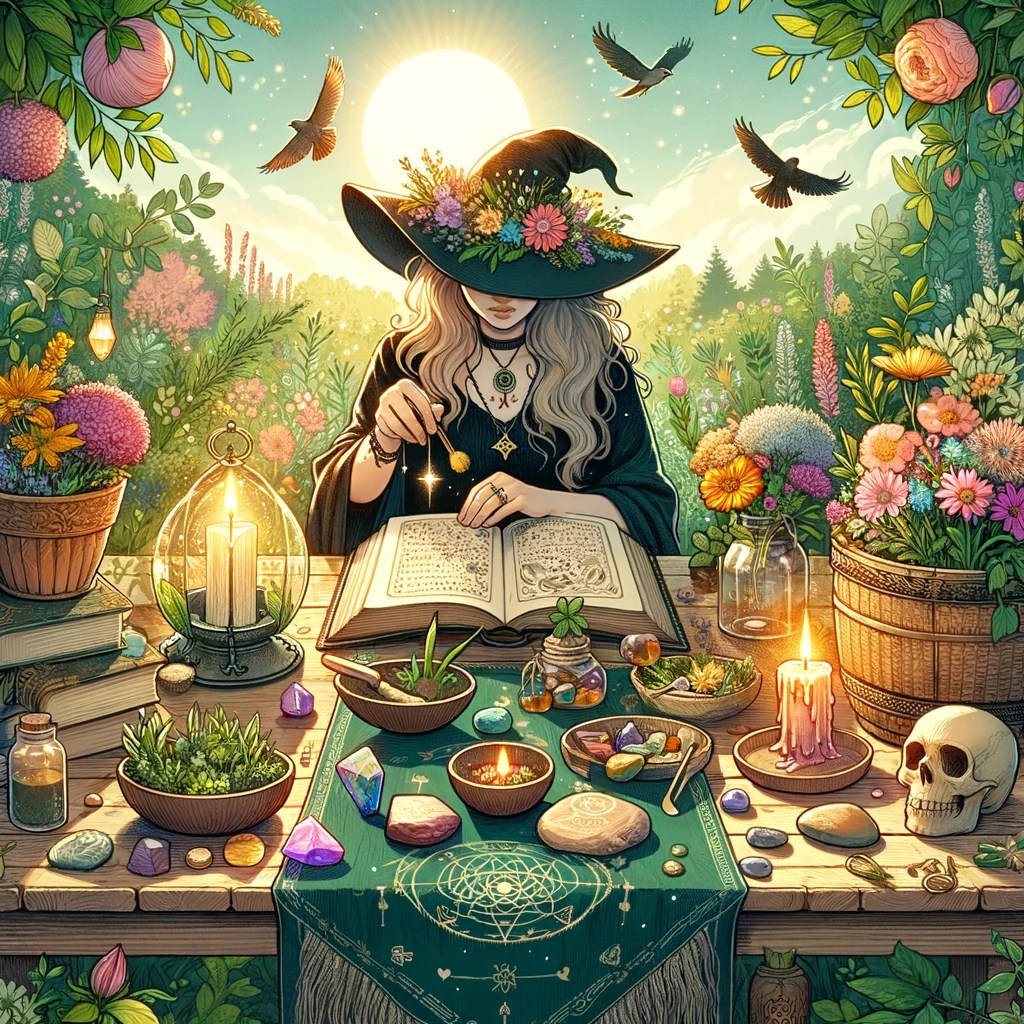
Spring is a time for rituals that focus on themes of fertility, growth, and renewal. Many witches perform rituals to cleanse their homes and sacred spaces, removing the stagnant energy of winter to make room for new growth. This may involve physical cleaning, as well as smudging with herbs like sage, lavender, or rosemary.
Planting seeds is another common practice in spring rituals, symbolizing intentions and desires for the coming year. As these seeds sprout and grow, so too, it is believed, will the intentions set during the ritual. Gardens are tended not just as sources of herbs and flowers for magical workings but as sacred spaces that honor the earth and the cycle of life.

Symbols of Spring
The symbols of spring in witchcraft are deeply connected to themes of fertility, growth, and renewal.
Eggs, as symbols of potential life and rebirth, are often used in spring rituals and decorations. The hare, associated with the goddess Eostre and known for its fertility, is another potent symbol of the season.
Flowers also hold significant symbolic meaning; daffodils, for example, are seen as harbingers of spring and symbols of new beginnings, while tulips represent love and protection.

Celebrating the Elements
Spring is a time to celebrate the elements, with a special focus on air and water, which are associated with the season.
Air, representing new beginnings and inspiration, is honored through the practice of flying kites or simply taking deep breaths of the fresh spring air.
Water, symbolizing purification and renewal, is incorporated into rituals through the use of rainwater or dew, believed to hold special magical properties in the spring.
The Magic of Spring in Daily Life
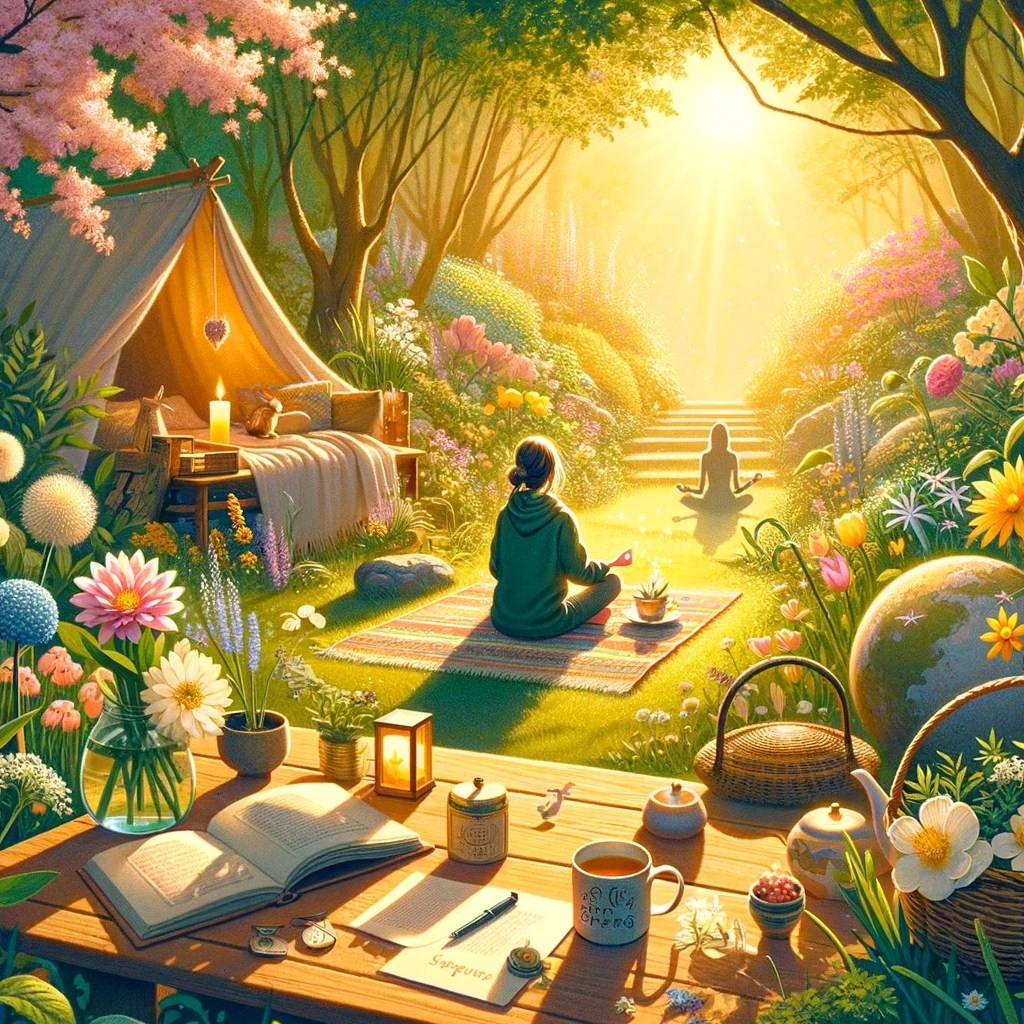
Celebrating the magic of spring extends beyond formal rituals and can be woven into the fabric of daily life.
Simple practices like spending time outdoors, tending to houseplants or a garden, and even spring cleaning can become acts of magical significance.
Cooking with fresh, seasonal produce and incorporating herbs and flowers into meals can also be a way to honor the season and its bounty.
Final Words
The magic of spring is a celebration of life, growth, and renewal. In witchcraft, this season offers a powerful opportunity to connect with the earth, set intentions for the future, and celebrate the balance and harmony of the natural world.
Through rituals, symbols, and everyday practices, witches honor the rejuvenating power of spring, welcoming the new beginnings it brings.



 Sonia M. Rompoti, MSc, Bsc
Leave a comment