



Infidelity is a tempest that can capsize the most sturdy of relational ships, leaving those involved adrift in a sea of emotions. It’s a deeply personal and often devastating experience for all parties involved.
This exploration seeks to understand the multifaceted nature of cheating within spousal relationships, aiming to shed light on its causes, impacts, and the delicate process of healing that lies beyond the initial storm.

Why People Cheat: Understanding the Underlying Causes
Infidelity rarely stems from a simple desire to stray. More often, it’s the result of underlying issues within the relationship or individual dissatisfaction. Emotional neglect, for instance, can leave a partner feeling unseen or unvalued, pushing them toward seeking external validation. Communication breakdowns further exacerbate these feelings, leaving individuals feeling isolated within their partnership.
Additionally, external pressures and opportunities can sometimes lead to decisions that are regretted almost immediately. Recognizing these factors isn’t about justifying the act of cheating but rather understanding the complex web of human emotions and needs that contribute to such decisions.
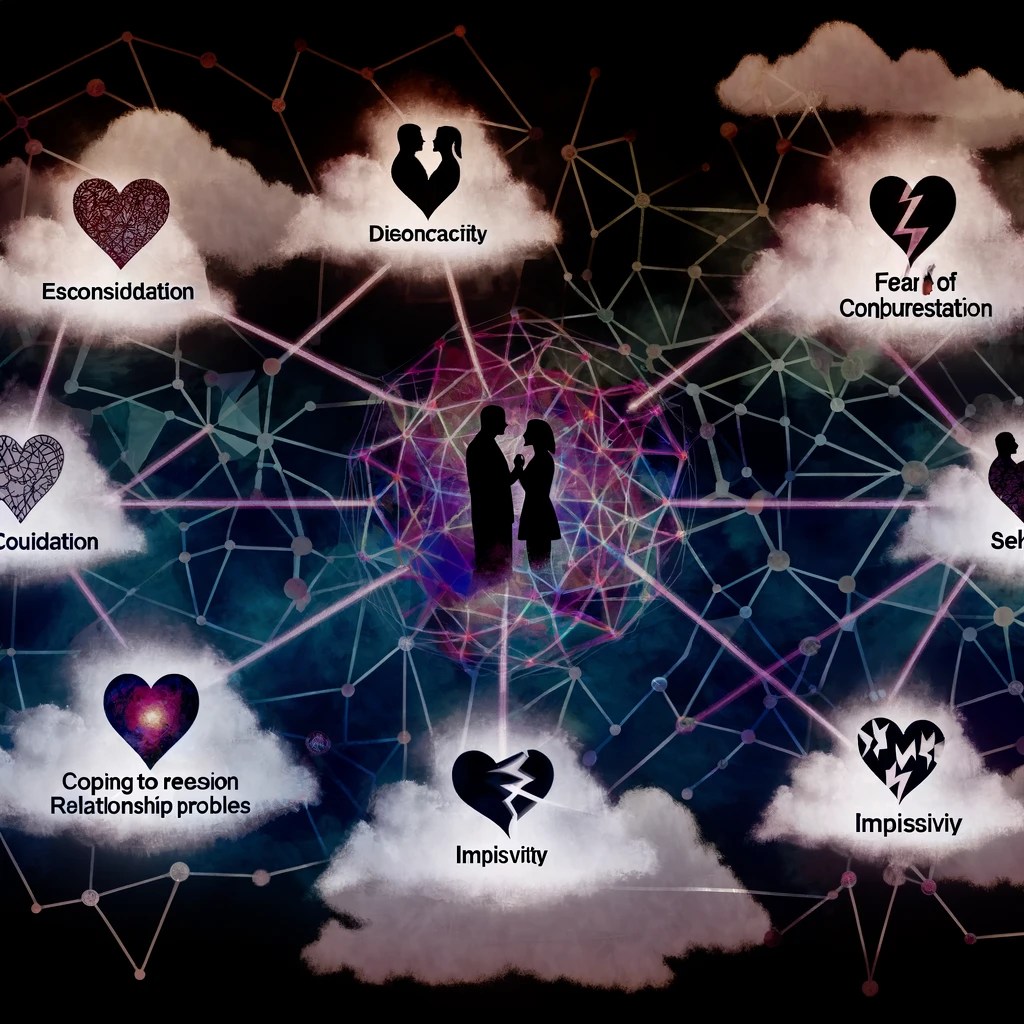
Psychological Underpinnings of Infidelity as a Response to Relationship Problems
When faced with relationship difficulties, individuals react in varied ways, influenced by their psychological makeup, past experiences, and coping mechanisms. Infidelity can sometimes be the manifestation of deeper, unresolved issues within an individual’s psyche or the relationship dynamic itself. Understanding these factors can offer insight into why some might choose infidelity as a way out.
Emotional Disconnection and Avoidance
For some, emotional disconnection from their partner creates a void that they seek to fill through an affair. This disconnection can stem from unresolved conflicts, lack of emotional intimacy, or feeling unappreciated. Psychologically, engaging in an affair may serve as an avoidance strategy, where the person circumvents confronting the real issues at hand, seeking solace in the temporary escape an affair offers.
Fear of Confrontation and Conflict-Avoidant Behavior
Individuals who fear confrontation or have a tendency to avoid conflict may find infidelity a less confrontational route to express discontent or unhappiness in a relationship. Instead of addressing issues directly with their partner, which could lead to uncomfortable or painful discussions, they might choose an affair as a passive way to distance themselves or signal their dissatisfaction.
Seeking Validation and Self-Esteem Issues
Psychological factors such as low self-esteem and a need for validation can play a significant role in why someone might cheat. For these individuals, attention from someone new can serve as a powerful affirmation of their desirability and worth, something they may feel is lacking in their current relationship. This quest for validation is often a symptom of deeper self-esteem issues that an affair temporarily alleviates.
Impulsivity and Risk-Taking Behavior
Some personalities are more prone to impulsivity and seeking thrill or excitement, traits that can contribute to the decision to cheat. The allure of novelty, combined with the risk and secrecy of an affair, can be particularly enticing for individuals with these tendencies. This behavior often reflects a broader pattern of seeking stimulation and avoiding routine or boredom, without fully considering the long-term consequences.
Past Traumas and Attachment Styles
An individual’s attachment style, shaped by early experiences and relationships, can significantly influence their behavior in adult relationships. Those with insecure or anxious attachment styles may be more likely to seek validation outside their primary relationship. Similarly, past traumas or abandonment issues can trigger a fear of intimacy, leading some to sabotage their relationships through infidelity as a means of protecting themselves from perceived inevitable pain or loss.
Coping with Personal or Relationship Crises
During times of personal or relationship crises, such as financial stress, health issues, or significant life changes, the strain can push individuals toward infidelity as a form of coping or escape. The affair provides a distraction from the stress and an alternate reality where these problems temporarily cease to exist.

The Emotional Aftermath: Impact on Both Partners
The discovery of an affair is a moment fraught with intense emotions. For the one betrayed, feelings of anger, sadness, and a profound sense of loss can be overwhelming. Trust, once the bedrock of the relationship, now seems irreparably shattered. Meanwhile, the partner who cheated might battle with guilt, shame, and confusion over their actions.
This period is crucial for both individuals to confront and navigate these emotions, as painful as they may be, to understand the path forward, whether together or apart.

Healing and Moving Forward: Pathways to Recovery
The journey toward healing is both personal and unique. It often starts with a decision to face the pain head-on, acknowledging the hurt and betrayal felt. Communication, though difficult, is key. Couples therapy can offer a safe space to explore these feelings, understand the infidelity, and learn how to rebuild trust if both partners choose to stay together. Importantly, healing also involves self-care and patience. The scars of infidelity don’t disappear overnight, but with time and effort, growth and understanding can emerge from the pain.

Making the Decision: Stay or Go?
After the initial storm of emotions begins to settle, a critical decision looms: to stay and rebuild the relationship or to part ways and heal independently. This choice is deeply personal, influenced by factors unique to each individual and relationship. Some find that infidelity is a catalyst for growth and change, leading to a stronger, more open relationship. Others may decide that the best path forward is to go their separate ways, seeking peace and fulfillment apart from the relationship that was.
Deciding whether to stay in a relationship after infidelity or to leave is a deeply personal and complex decision, influenced by a myriad of factors.
Factors Influencing the Decision to Stay
- Depth of Commitment: A strong foundational commitment to the relationship can influence the decision to stay and work through the challenges. This includes the time invested, shared values, mutual respect, and the desire to uphold vows or commitments made to one another.
- Children and Family Considerations: The presence of children and the desire to maintain a stable family environment can be significant factors in deciding to stay together. The impact of separation on children and family dynamics often weighs heavily in this decision.
- Potential for Forgiveness and Healing: The belief in the possibility of forgiveness and the capacity for the relationship to heal and grow stronger post-infidelity plays a crucial role. This includes trust in the partner’s remorse and willingness to change.
- Financial and Social Considerations: Practical aspects such as financial interdependence, shared assets, and social networks can influence the decision to stay, especially when the prospect of disentangling lives seems daunting.
- Fear of Loneliness or Uncertainty: For some, the fear of being alone or facing an uncertain future without their partner can motivate the decision to stay and attempt to reconcile.
Factors Influencing the Decision to Leave
- Repeated Infidelity: A pattern of infidelity or the partner’s unwillingness to acknowledge their actions and commit to change can lead to the decision to leave, reflecting a breach of trust and respect that is too profound to overlook.
- Emotional and Physical Well-being: Recognizing the toll that staying in the relationship takes on one’s emotional and physical health can be a deciding factor. This includes the impact of stress, anxiety, and the loss of self-esteem.
- Desire for Authenticity and Respect: The need to be in a relationship where one feels genuinely valued, respected, and loved can drive the decision to leave, seeking a future where these needs are met.
- Lack of Shared Future Vision: Discovering that the partners’ visions for the future no longer align, including values, goals, and desires for personal growth, can prompt the decision to part ways.
- Support System and Independence: Having a strong support system and the means to be financially and emotionally independent can empower individuals to leave the relationship, especially when they believe a healthier, more fulfilling life awaits.
Each individual’s decision to stay or go will be influenced by a unique combination of these and possibly other factors. The process often involves deep introspection, conversations with trusted friends or professionals, and, ultimately, a consideration of what is best for one’s well-being and happiness.
Final Words
Infidelity, with all its complexity and pain, challenges the very foundation of a relationship. Yet, it also opens up avenues for introspection, growth, and understanding. Whether the journey leads to reconciliation or separation, the process of navigating through the aftermath of an affair can lead to a deeper understanding of oneself and what one truly seeks in a relationship. In the end, moving forward—however that may look—is a testament to the resilience of the human spirit in its quest for happiness and connection.



 Sonia M. Rompoti, MSc, Bsc
Leave a comment