


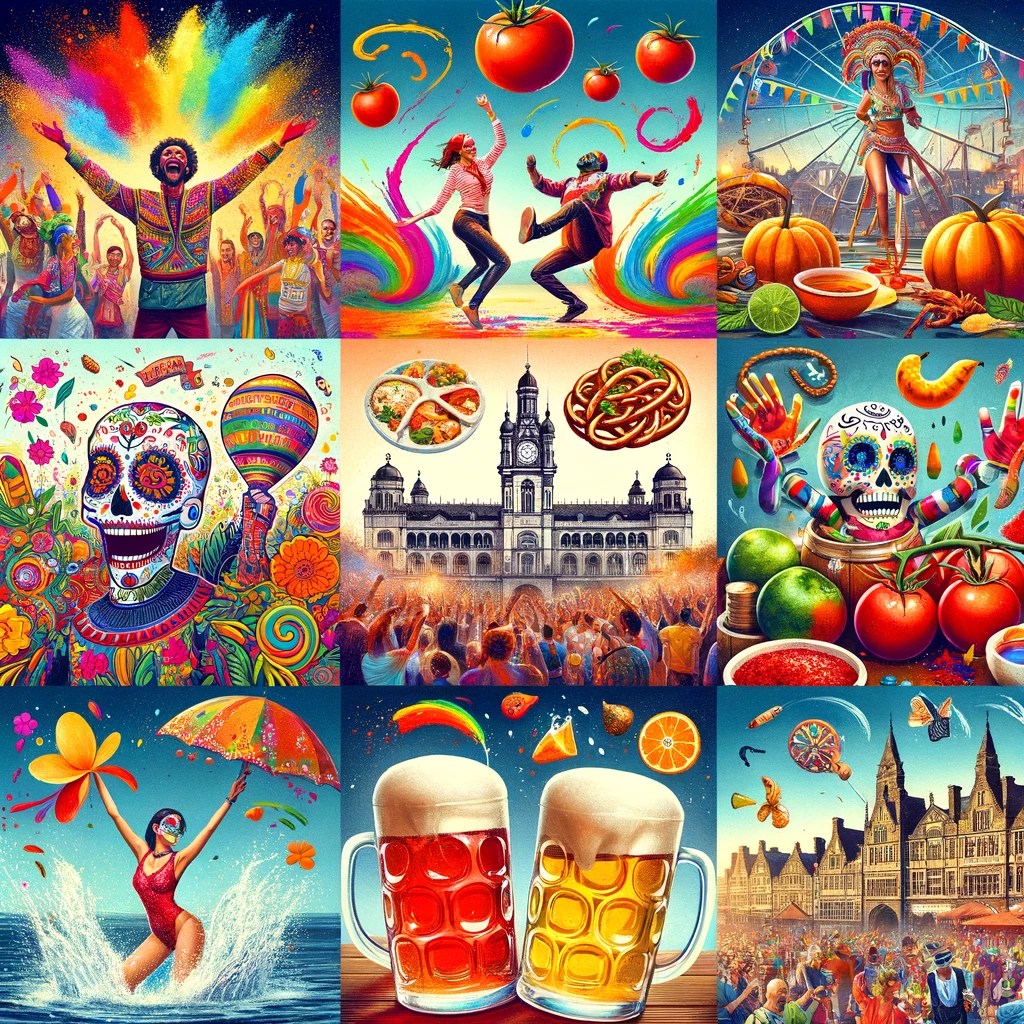
Cultural festivals are kaleidoscopes of heritage, art, and community spirit, celebrated with zeal across the globe. They are windows into the soul of a culture, offering insights into the traditions, values, and aspirations of the people.
This article will guide you through some of the most vibrant and unique cultural festivals around the world, providing details on when, where, and how you can immerse yourself in these extraordinary experiences.
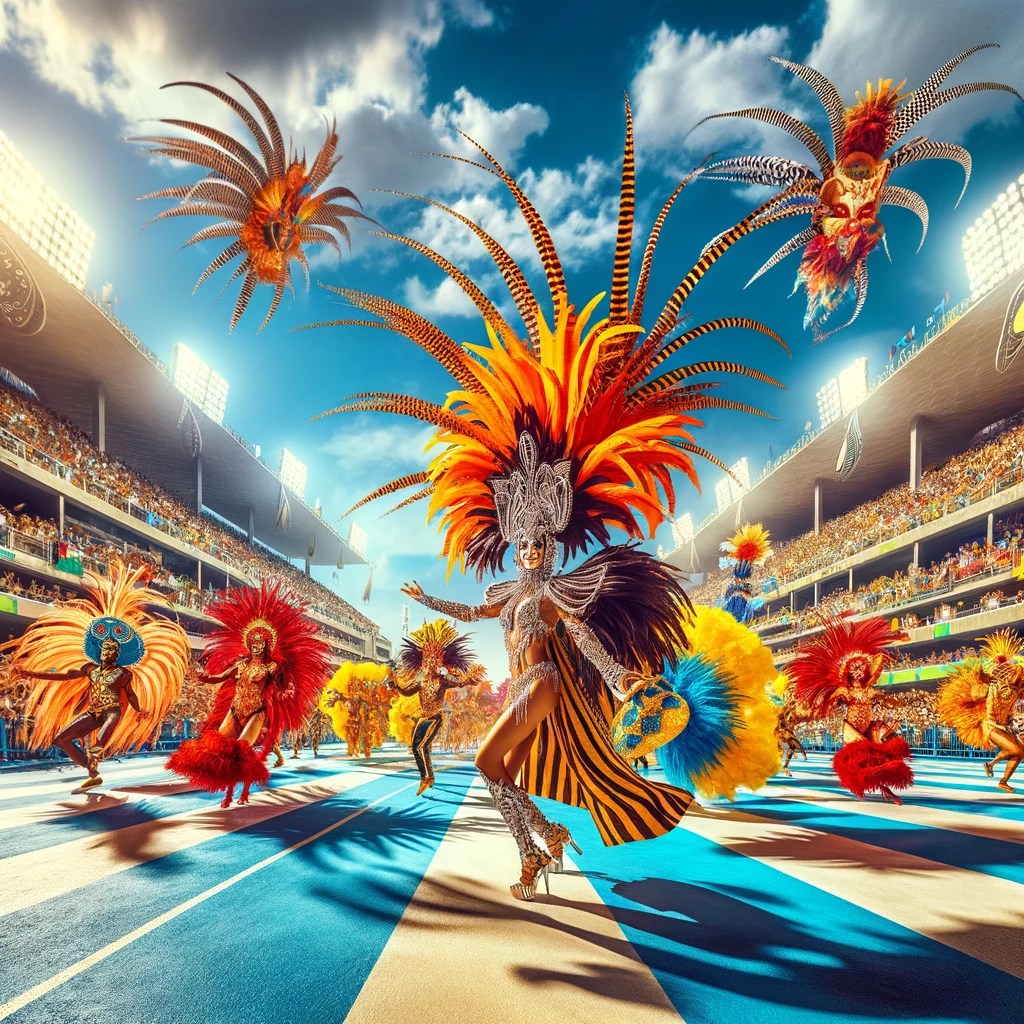
1. Carnival – Rio de Janeiro, Brazil
When: Late February or early March Where: Rio de Janeiro Participation: Buy tickets for Sambadrome parades or join street parties
The Carnival in Rio is a euphoric celebration that precedes Lent. It’s the most famous carnival, drawing millions of people with its samba schools’ parades, extravagant costumes, and ceaseless music and dance. The Sambadrome hosts the main events, but the city is alive with street parties where everyone is welcome to dance and celebrate.
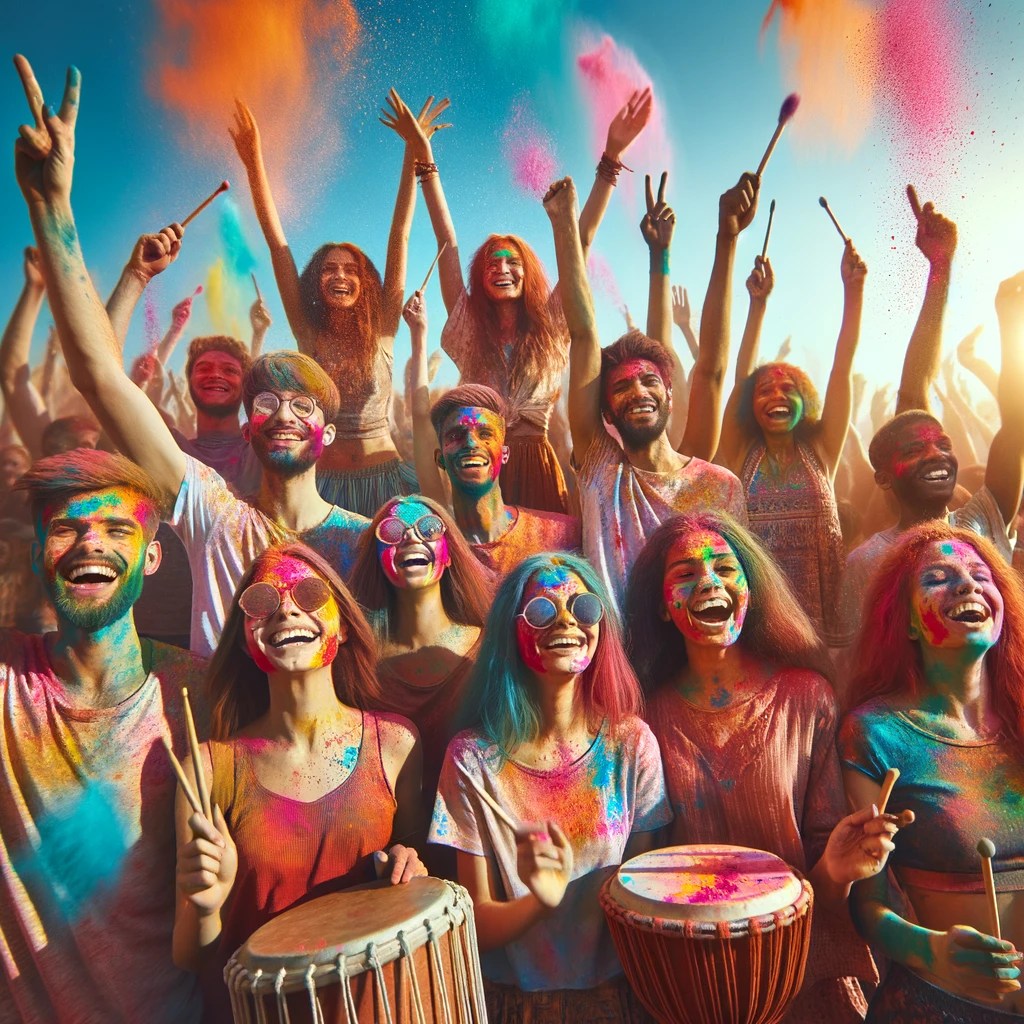
2. Holi – India
When: March Where: All over India, with notable celebrations in Mathura and Vrindavan Participation: Wear old clothes you don’t mind getting stained; join local celebrations
Holi, known as the Festival of Colors, celebrates the victory of good over evil and the arrival of spring. Participants throw colored powder and water at each other, making for a vibrant and joyous atmosphere. It’s a time for forgiving and forgetting, accompanied by traditional songs, dances, and foods.
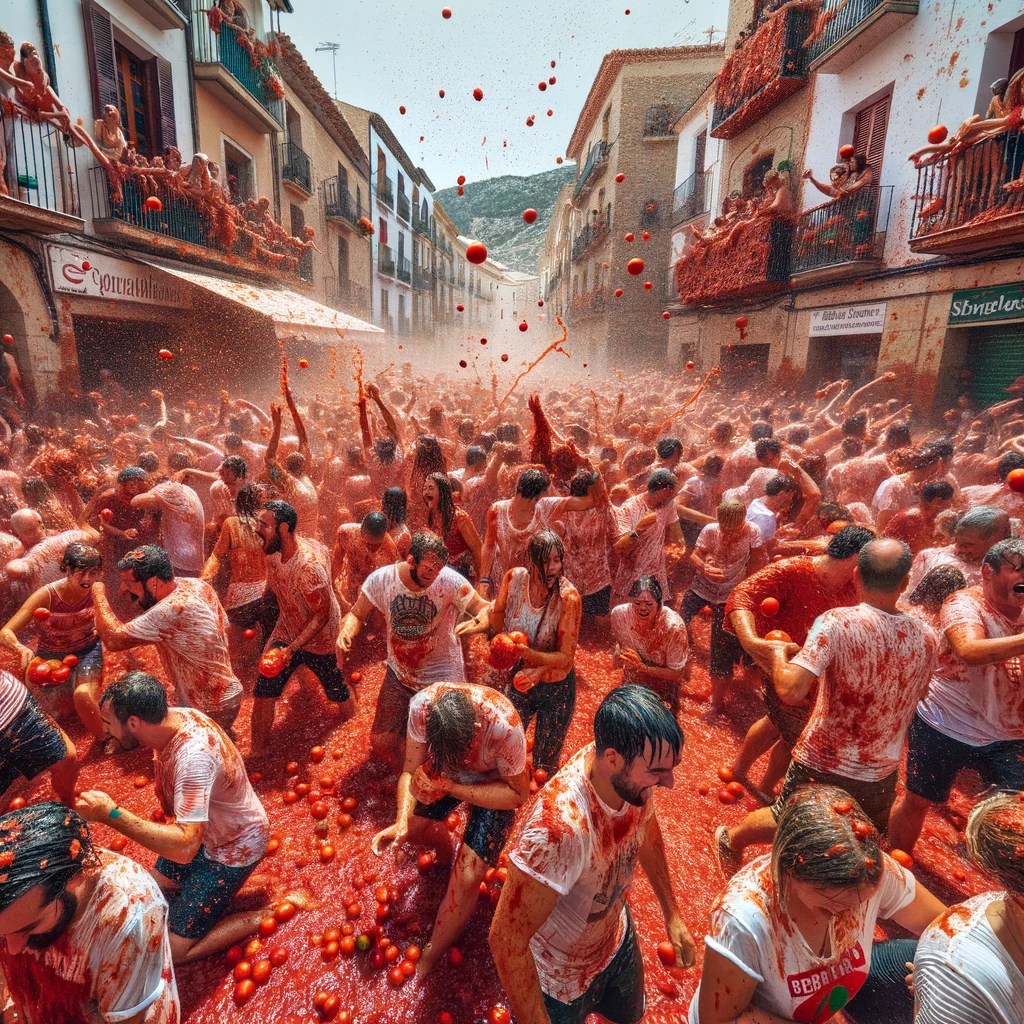
3. La Tomatina – Buñol, Spain
When: The last Wednesday of August Where: Buñol Participation: Purchase a ticket; wear clothes you can discard
La Tomatina is a unique festival where thousands of participants gather in the streets of Buñol to throw tomatoes at each other. It’s an hour-long battle that leaves the town and its revelers covered in tomato pulp. The event is fun and messy, followed by a communal cleanup.
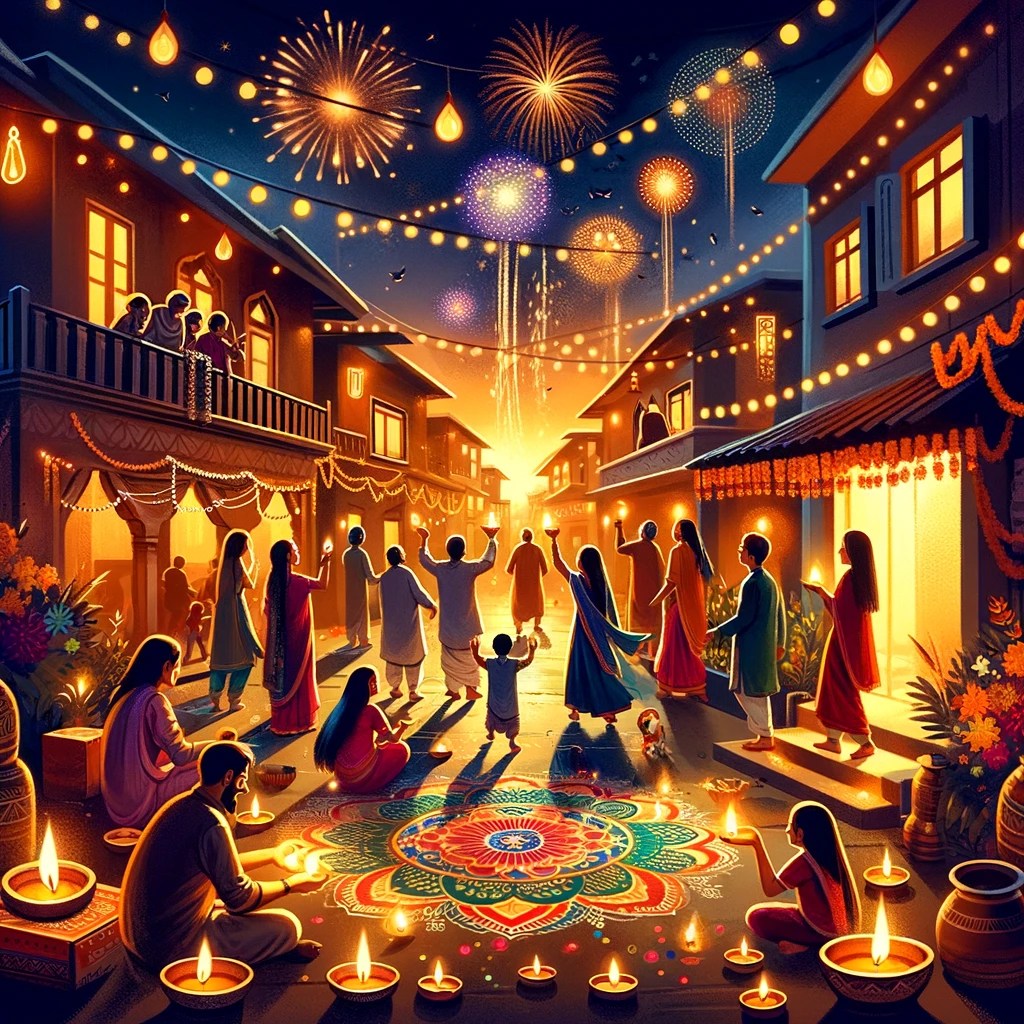
4. Diwali – India and Worldwide
When: October or November Where: Across India and in countries with large Hindu populations Participation: Attend public celebrations; light candles or lanterns
Diwali, the Festival of Lights, symbolizes the triumph of light over darkness and knowledge over ignorance. Homes and public spaces are decorated with small oil lamps, candles, and colorful rangolis. Fireworks light up the sky, and families gather for feasts and prayers.
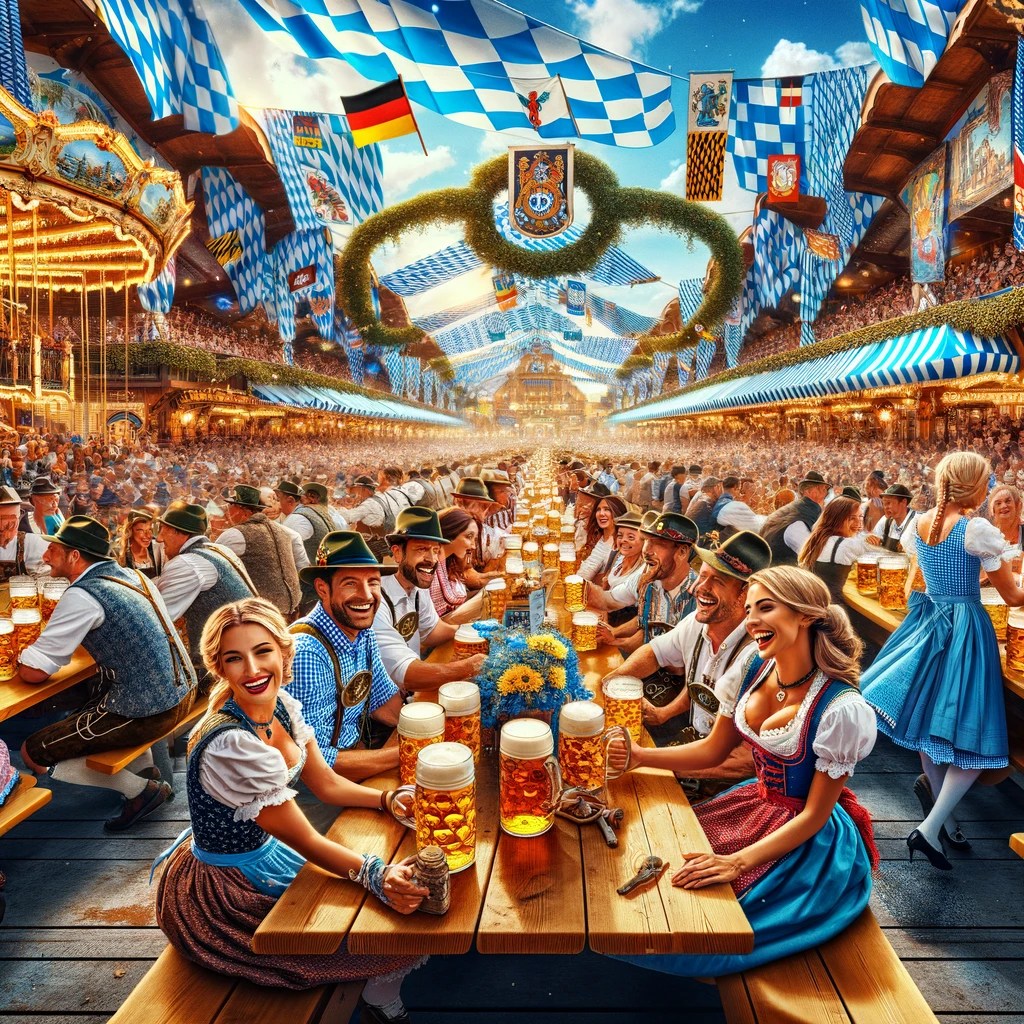
5. Oktoberfest – Munich, Germany
When: Late September to the first Sunday in October Where: Munich Participation: Reserve a table in the beer tents; dress in traditional Bavarian attire
Oktoberfest is the world’s largest Volksfest, combining a massive beer festival with a traveling funfair. The festivity is best known for its heavy beer steins, traditional Bavarian music, lederhosen and dirndl dresses, and hearty foods. It’s a celebration of Bavarian culture and history.
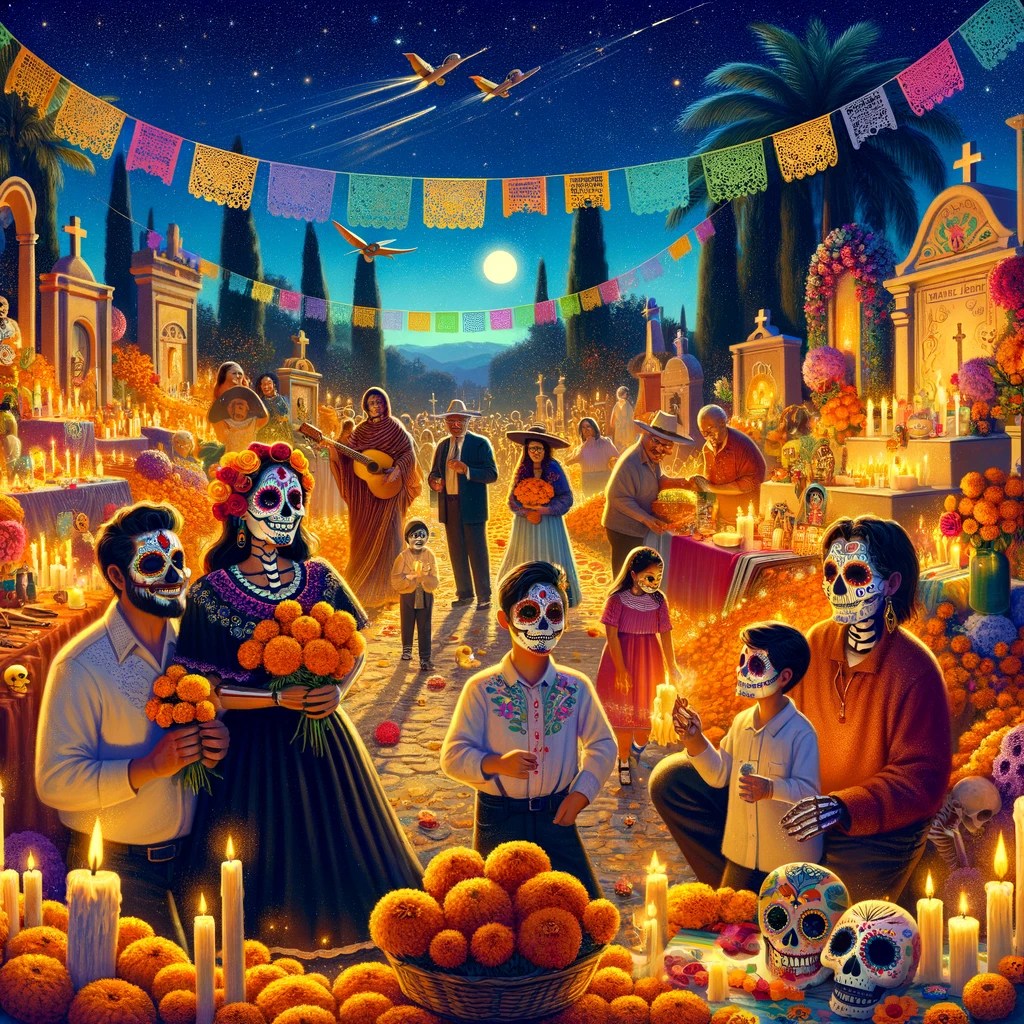
6. Day of the Dead (Día de los Muertos) – Mexico
When: November 1st and 2nd Where: Throughout Mexico, particularly in the central and southern regions Participation: Build altars, join parades, face painting
This vibrant festival honors deceased loved ones, celebrating their lives and welcoming their spirits back to the world of the living for a day. It’s characterized by colorful altars, skeleton costumes, and traditional foods like pan de muerto. The atmosphere is one of joyous remembrance rather than sorrow.
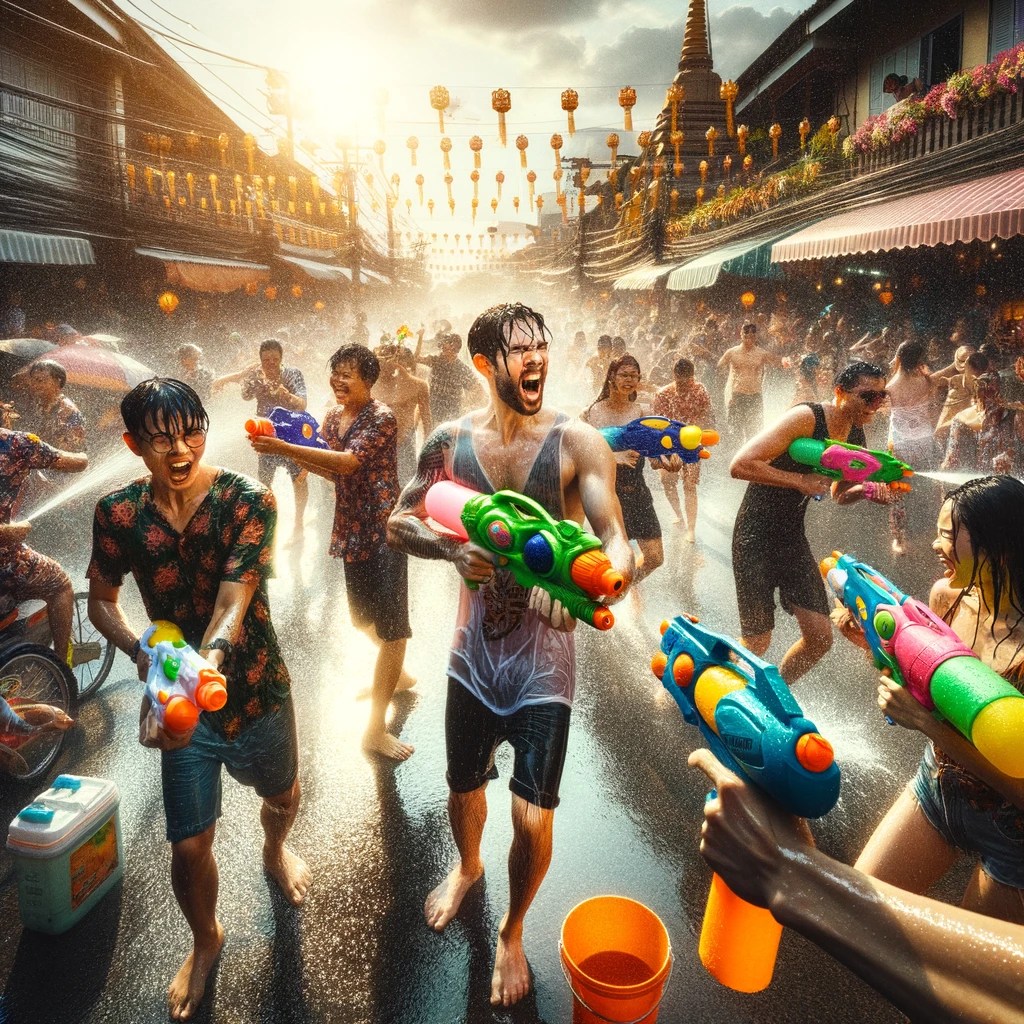
7. Songkran – Thailand
When: April 13th to 15th Where: Nationwide, with major celebrations in Bangkok, Chiang Mai, and Phuket Participation: Prepare to get wet; join in the water fighting
Songkran marks the Thai New Year with the world’s biggest water fight. It symbolizes washing away misfortunes from the past year, welcoming the new year with a fresh start. Participants use water guns, buckets, and anything that can carry water to splash others, accompanied by traditional rituals and festivities.
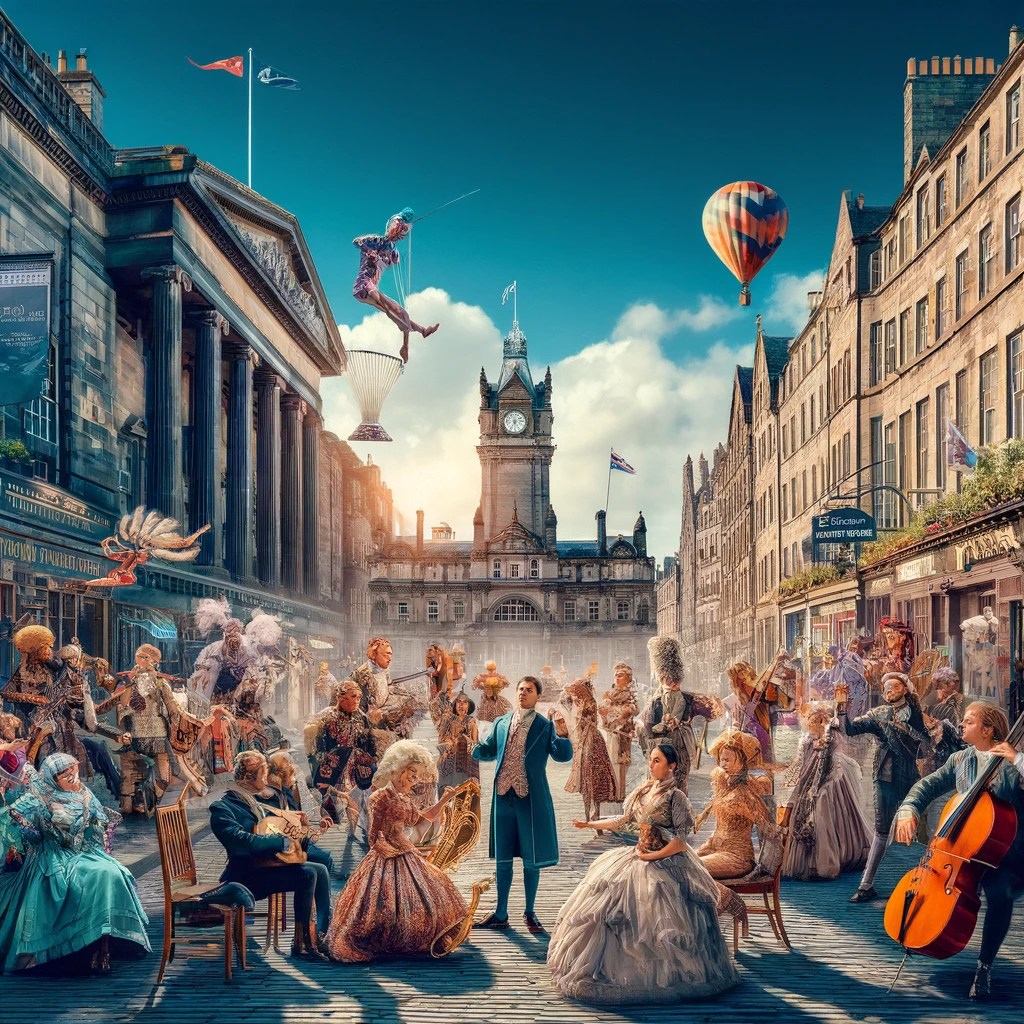
8. Edinburgh International Festival – Scotland
When: August Where: Edinburgh Participation: Purchase tickets for events; explore the free street performances
Founded in 1947, this festival gathers the finest in theater, music, opera, and dance from around the world. It’s a celebration of the performing arts, set against the backdrop of Edinburgh’s stunning historical architecture. The festival includes the famous “Fringe” with its open-access policy for artists.
How to Participate
Participation in these festivals requires planning. Tickets for events like the Sambadrome parades or Oktoberfest tents need to be booked well in advance.
Local customs, such as the dress codes for Oktoberfest or the respectful behavior during Diwali and Day of the Dead, should be observed.
Engaging with local communities respectfully opens up deeper cultural experiences and learning opportunities.
Final Words
Traveling to participate in cultural festivals offers an unparalleled opportunity to experience the diversity and beauty of our world’s cultures. Each festival is a testament to the human spirit’s capacity for joy, remembrance, renewal, and celebration. Whether it’s through the colorful chaos of Holi, the solemn beauty of Dia de los Muertos, or the communal joy of Songkran, these festivals connect us to each other and to the generations that have come before.


 Sonia M. Rompoti, MSc, Bsc
Leave a comment