


Ever found yourself in a full-blown debate with your mini-me over something as simple as bedtime or screen time? You’re not alone. Every parent navigates the tricky waters of communication with their children, aiming to find that sweet spot between dictating rules and fostering an open dialogue. The secret? It’s all about connection, empathy, and understanding.
Let’s explore how we can bridge the gap and turn everyday conversations into opportunities for growth and connection.
Understanding the Gap

It’s like we’re from different planets. Parents and children often find themselves lost in translation, not because of a lack of love or care, but due to generational divides, evolving technology, and the rapid pace of societal changes.
Kids today are growing up in a digital world far removed from the analog childhoods of their parents. This isn’t about pointing fingers but recognizing the landscape so we can navigate it better together.
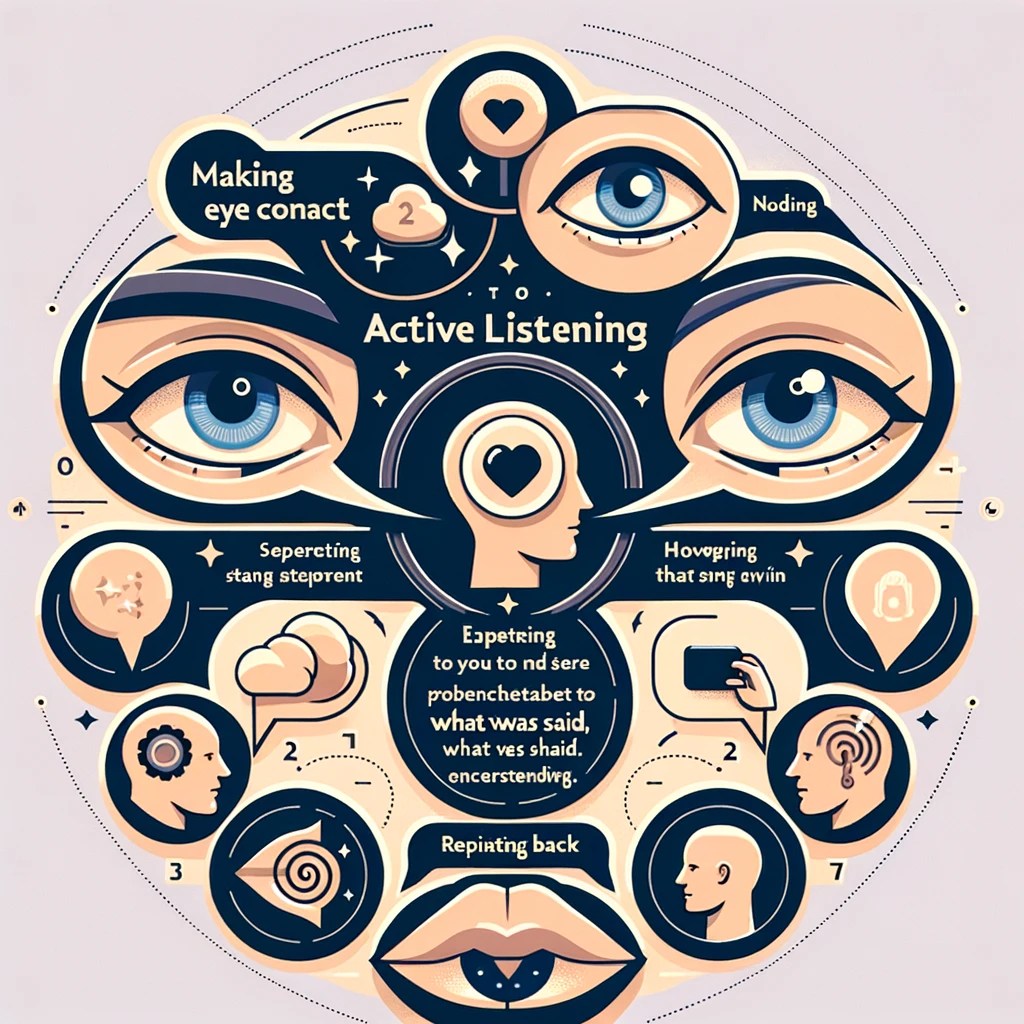
Technique 1: Active Listening
Imagine your child comes to you, frustration written all over their face about a lost toy or a broken game. Instead of jumping to solve the problem, take a moment.
Make eye contact, nod, and show you’re listening. Echo back what you’re hearing: “So, you’re upset because your favorite toy isn’t where you left it?”
This simple act of active listening validates their feelings and shows that you’re genuinely engaged. It’s about hearing the words and the music behind them—the emotions and needs speaking volumes.
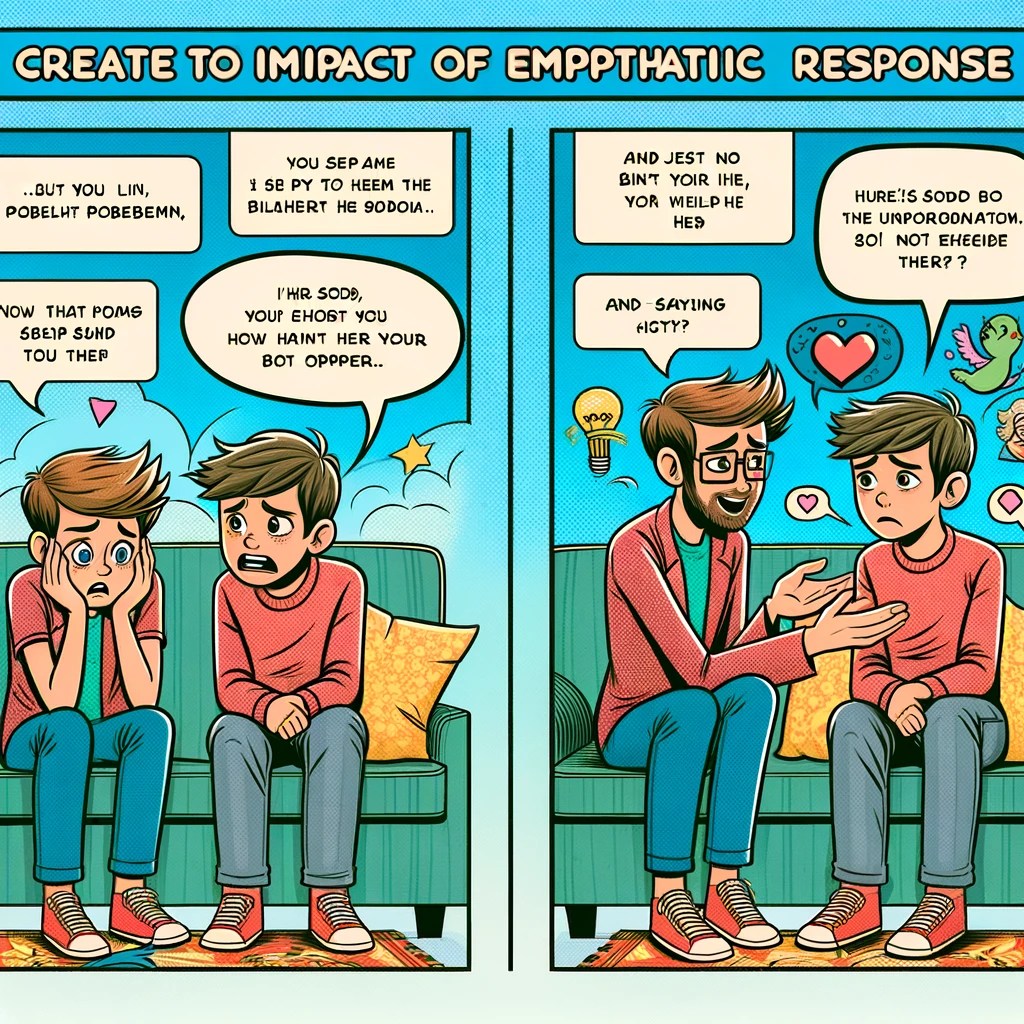
Technique 2: Empathetic Response
Empathy is the magic elixir in parent-child communication. It’s seeing the world through their eyes, even if you don’t fully understand or agree.
When your child is upset, respond with empathy: “That sounds really tough. I would be upset too if I were in your shoes.”
This doesn’t mean you’re conceding or spoiling them; you’re acknowledging their feelings, showing them it’s okay to express emotions, and building trust.
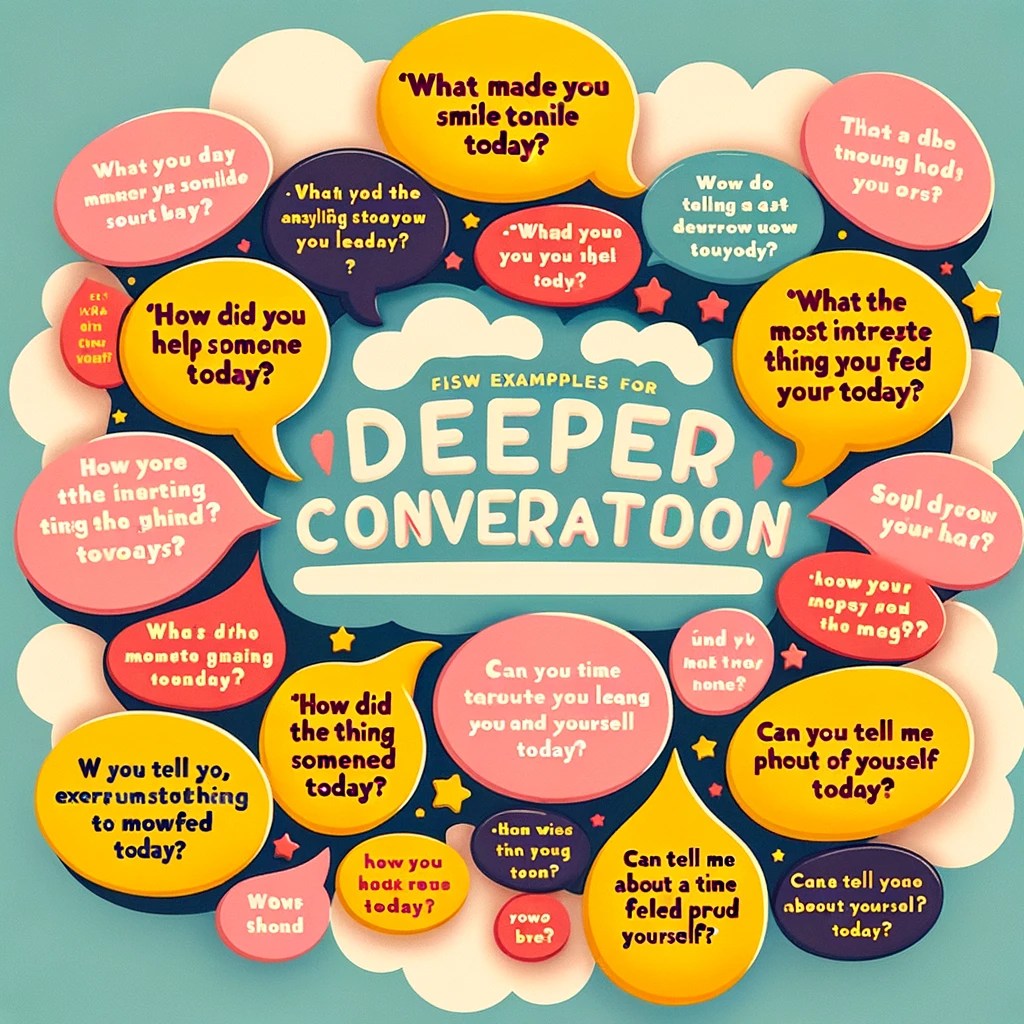
Technique 3: Open-Ended Questions
“Did you have a good day?” often gets a “yes” or “no.” But, “What was the best part of your day?” opens up a conversation.
Open-ended questions invite sharing and show your child that you’re interested in their thoughts and experiences. It turns a simple exchange into a dialogue, offering insights into your child’s world. Plus, it’s a great way to encourage them to practice expressing themselves more fully.

Creating a Safe Space
A safe space is where your child knows they can share anything without judgment or immediate repercussions. It’s about being present and putting aside your reactions or solutions momentarily.
Create rituals, like a weekly walk or a dedicated time with no phones where you just chat. These moments signal to your child that they’re in a safe zone, where it’s all about connecting heart to heart.
A Personal Insight: The Long-term Impact of Patient Communication
In the hustle and bustle of daily life, where work and responsibilities often take center stage, finding the patience and composure to engage in meaningful conversations with our children can sometimes feel like an uphill battle. I understand this all too well. The moments when we’re pressed for time, stressed, or juggling multiple tasks at once are precisely when it becomes most challenging to maintain the level-headedness we aspire to in our interactions with our young ones.
However, it’s crucial to remind ourselves of the long-term benefits that these seemingly small moments of communication hold. Talking with our children when they are young—truly engaging with them, listening to their thoughts, and sharing our own—lays the foundation for a relationship built on mutual respect and understanding. By modeling the kind of communication we value, we’re not just talking to them; we’re showing them how to communicate effectively with others.
This practice of open, empathetic dialogue serves as a powerful tool for navigating the challenges of growing up. It paves the way for easier communication during the tumultuous teenage years and beyond, when the stakes of conversations often feel much higher. Our investment in these moments of connection pays dividends in the form of stronger, more resilient relationships with our children as they grow into adults.
In essence, the effort to carve out time for these conversations, to listen actively and respond with empathy, is an investment in our children’s emotional intelligence and in the strength of our bond with them. It’s a testament to the belief that, despite the pressures of day-to-day life, nurturing our relationship with our children through open communication is not just possible—it’s essential.
Navigating the parent-child communication maze isn’t about mastering a one-size-fits-all approach. It’s a dance, learning the steps together, stumbling, and then finding your rhythm.
By practicing active listening, responding with empathy, asking open-ended questions, and creating a safe space, you’re not just talking; you’re connecting, understanding, and, most importantly, showing love. Because at the end of the day, that’s what it’s all about—building a bridge of words and emotions that binds you closer, one conversation at a time.



 Sonia M. Rompoti, MSc, Bsc
Leave a comment