


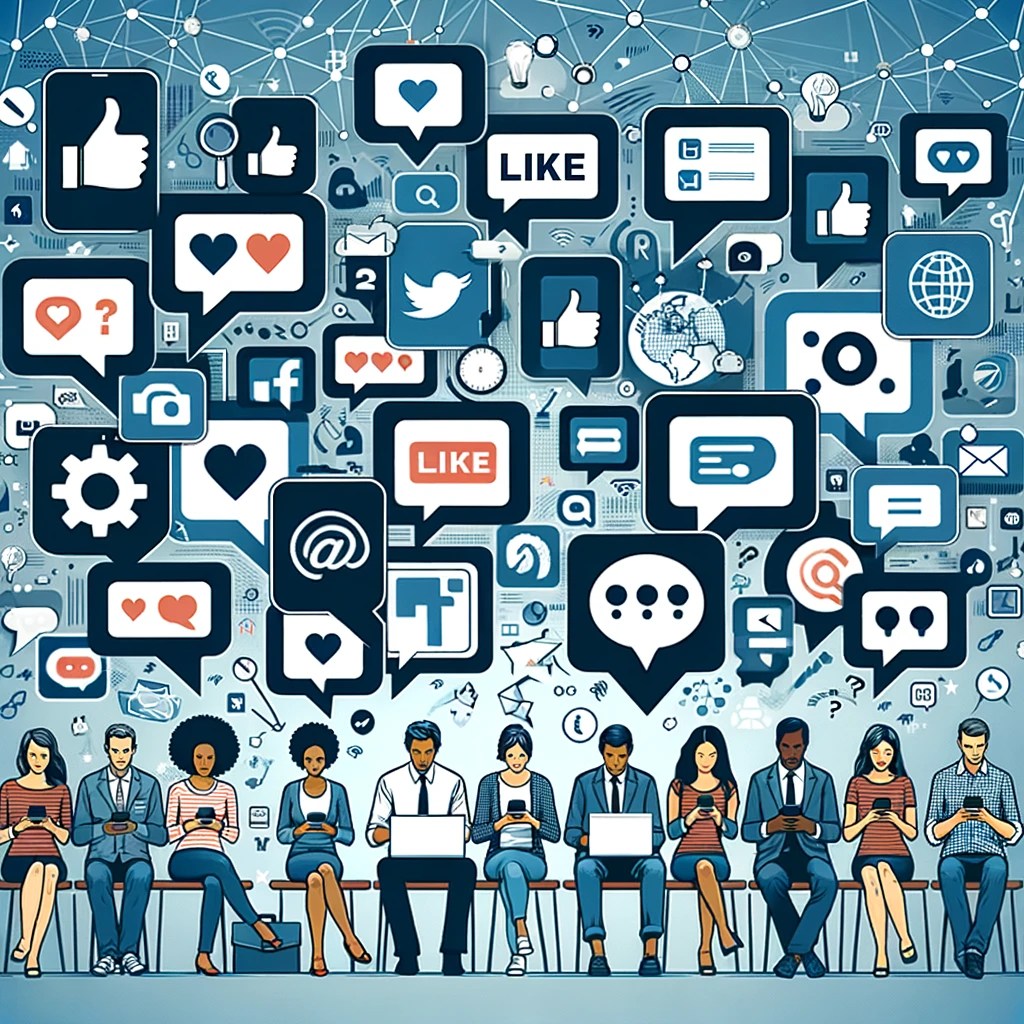
In the contemporary digital landscape, social media platforms such as X, Facebook, Instagram, and LinkedIn have transcended their initial purpose of connecting individuals. These platforms have morphed into powerful tools for shaping public opinion, influencing political decisions, and dictating market trends.
This article delves into the multifaceted role of social media in influencing public opinion, highlighting recent examples and discussing the implications of this influence on society.
The Mechanism of Influence
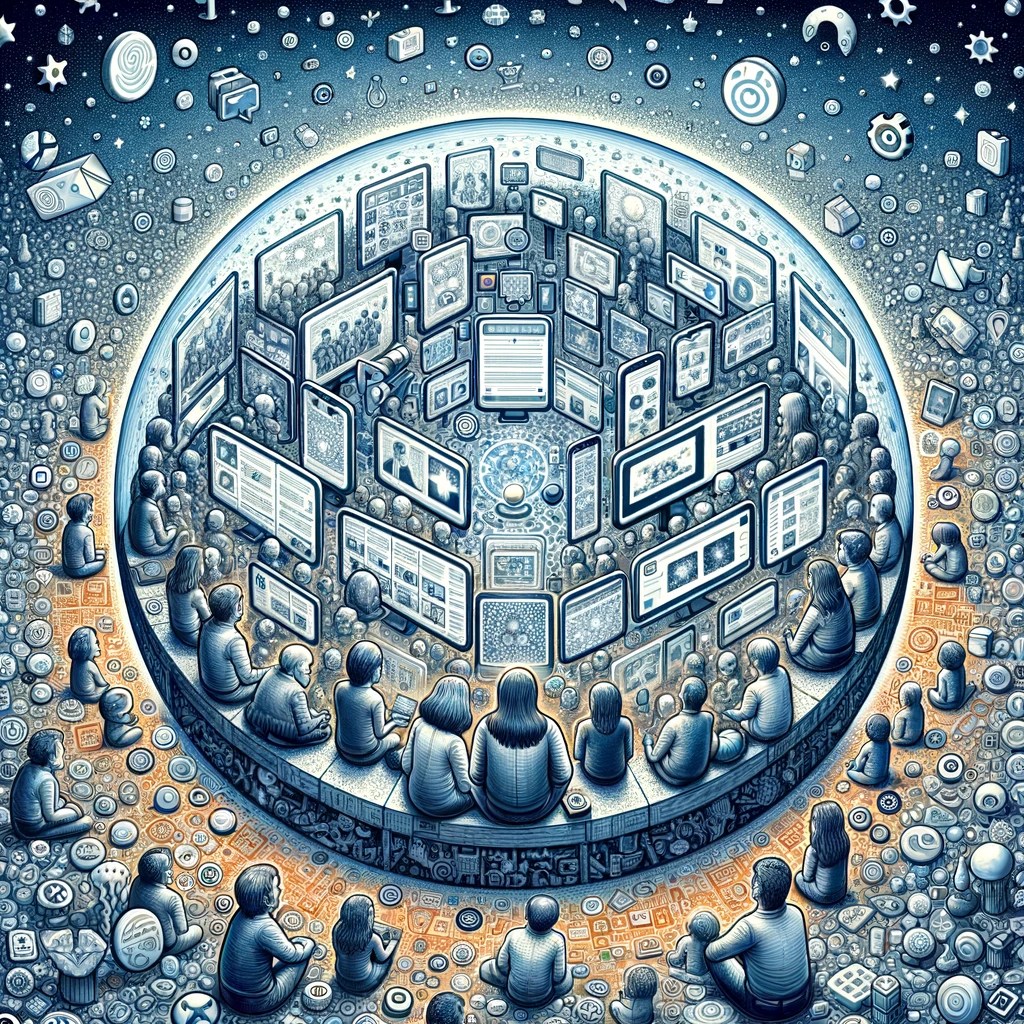
Social media influences public opinion through several mechanisms. Firstly, the algorithmic filtering and personalized content delivery system ensure that users are more likely to encounter opinions and news that align with their existing beliefs. This phenomenon, known as the “echo chamber” effect, can reinforce and amplify existing viewpoints, making it a potent tool for shaping opinion.
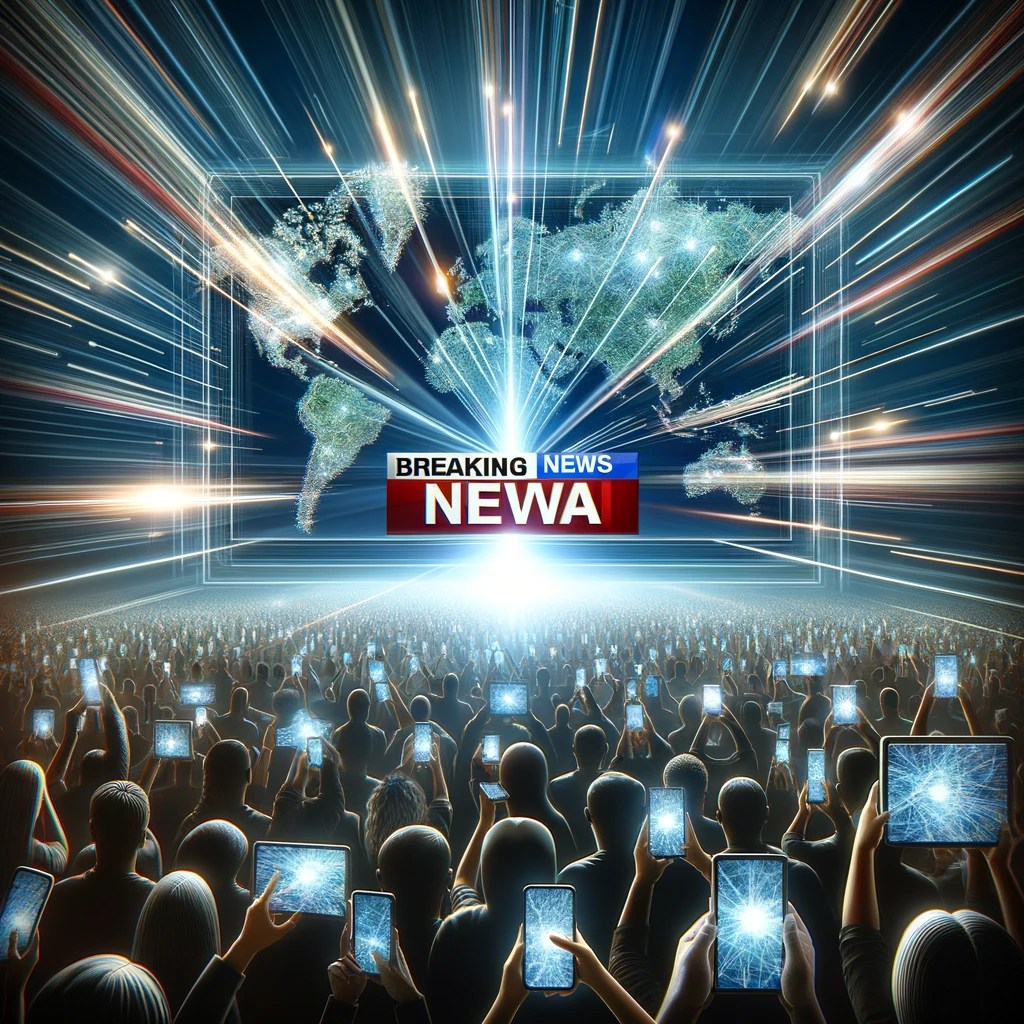
Secondly, social media platforms enable rapid dissemination of information. News and opinions can go “viral” within hours, reaching a global audience. This unparalleled speed of information sharing means that public opinion can be significantly influenced by how events are reported and discussed on social media.
Lastly, the interactive nature of social media allows for direct engagement between the public, opinion leaders, and organizations. Influencers, celebrities, politicians, and brands use these platforms to sway public opinion by endorsing ideas, products, or political ideologies.
The Power of Virality
Recent years have seen numerous instances where social media played a pivotal role in shaping public opinion on a global scale. The #MeToo movement is a prime example. What started as a hashtag on Twitter rapidly grew into a worldwide movement against sexual harassment and assault, encouraging countless individuals to share their stories. This movement not only changed public opinion but also led to legal action and policy changes in various industries.
Another example is the role of social media in political campaigns and elections. The 2016 U.S. Presidential Election highlighted how social media could be used to influence voter behavior. Campaigns utilized targeted advertising and social media posts to sway undecided voters, demonstrating the power of social media in shaping political opinions.
The Double-Edged Sword
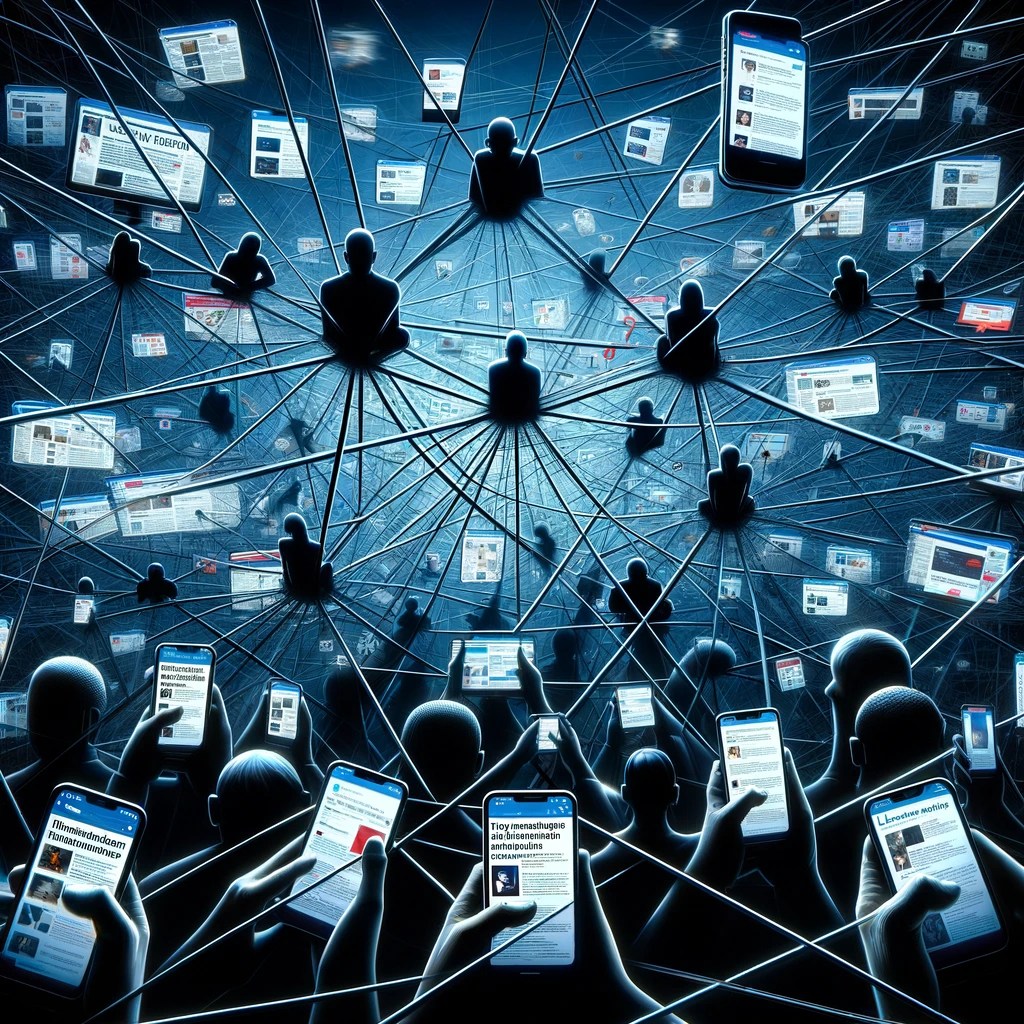
While social media’s role in shaping public opinion can lead to positive societal changes, it also has its pitfalls. The spread of misinformation and fake news is a significant concern. Unverified information can quickly go viral, leading to panic, prejudice, and in some cases, violence. The COVID-19 pandemic has exemplified this, with rampant misinformation about the virus, treatments, and vaccines spreading across social media platforms.
Furthermore, the anonymity afforded by social media can sometimes lead to cyberbullying and the spread of hate speech. This negative aspect can contribute to a polarized and intolerant society, undermining the platforms’ potential to foster constructive public discourse.
Navigating the Future
As social media continues to evolve, understanding its impact on public opinion is crucial for policymakers, businesses, and individuals alike. There is a growing call for social media platforms to take more responsibility for the content shared on their networks. This includes implementing more robust fact-checking mechanisms, promoting digital literacy among users, and creating a more transparent algorithmic process.
Moreover, individuals can contribute to a healthier social media environment by critically evaluating the information they encounter, engaging in respectful discourse, and being mindful of the potential for echo chambers.
Final words
Social media’s role in shaping public opinion is undeniable and complex. It has democratized information sharing, giving a voice to the voiceless and influencing social, political, and economic discussions worldwide. However, with great power comes great responsibility.
As we navigate this digital age, fostering a balanced and informed public discourse is paramount. Social media, when used responsibly, has the potential to be a formidable force for good, driving positive change and shaping a more informed and engaged public.



 Sonia M. Rompoti, MSc, Bsc
Leave a comment