


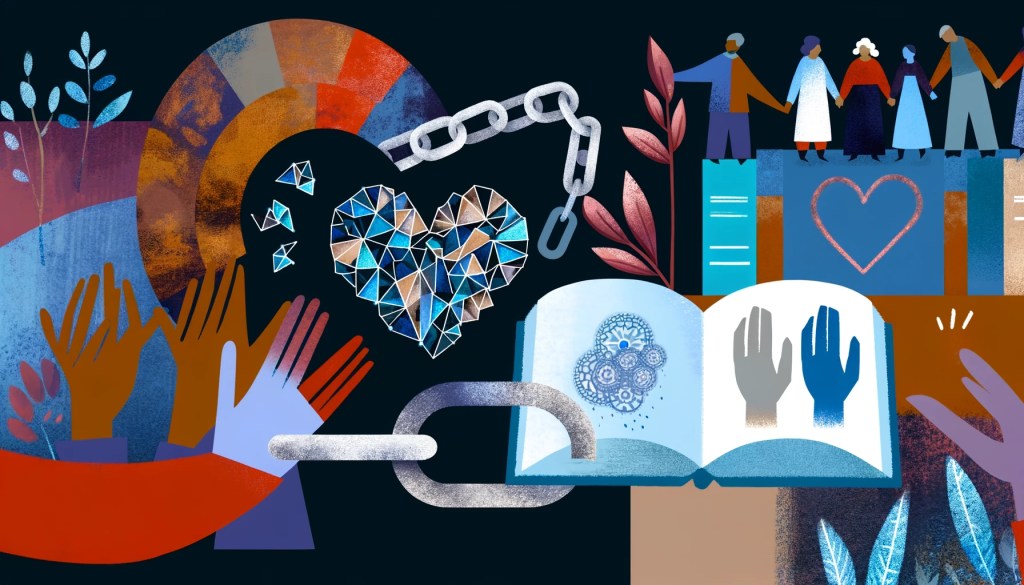
Domestic violence is a widespread issue that transcends cultural, economic, and social boundaries, characterized by physical, emotional, psychological, or sexual abuse within the home.
Violence within and among families is a common mode of abusive action in a romantic, or in any form of family relationship really, where one individual chooses to impose upon another, causing fear. This phenomenon is also known as domestic violence, between family members, or partner violence.
This type of violence can occur in various relationships, such as between spouses or partners, adults towards children, or adults towards elderly parents, as well as among other close relatives or cohabitants without a romantic relationship.
It is essential to address this issue to protect the victims, support their recovery, and reform the perpetrators.
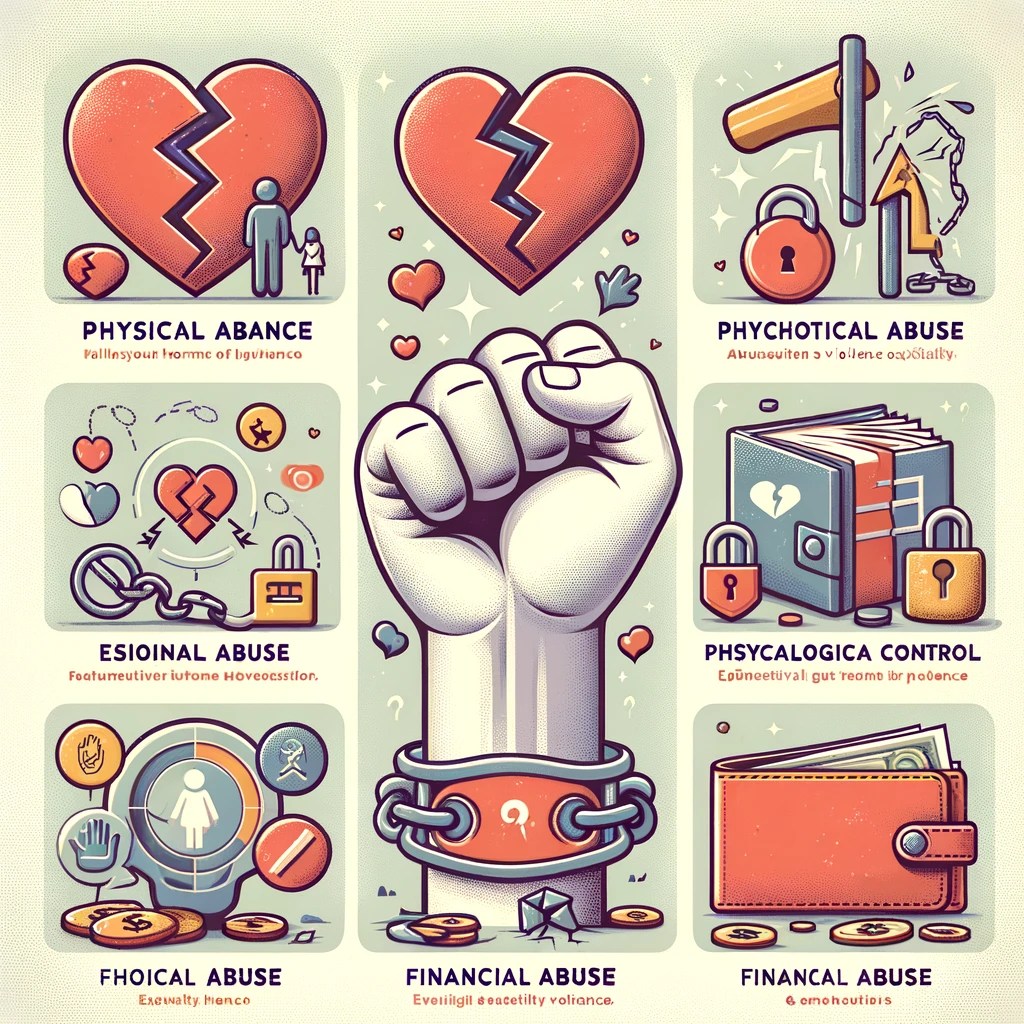
Forms of Domestic Violence
Violence within the family is often referred to as a pattern of coercion and control. Those who exhibit abusive behavior may be characterized as “perpetrators of violence.”
The violence within and among families does not necessarily cease with the termination of the relationship but can also occur between former partners.
Abusive individuals use various tactics to maintain power and control, such as physical assaults, sexual violence, emotional abuse, victim isolation, abuse through the internet, psychological abuse, economic abuse, restriction of religious rights, threats or harm to loved ones or pets, and abuse through the legal system.
The pattern of control can include unique methods for each relationship, such as hiding medications as a means of control.
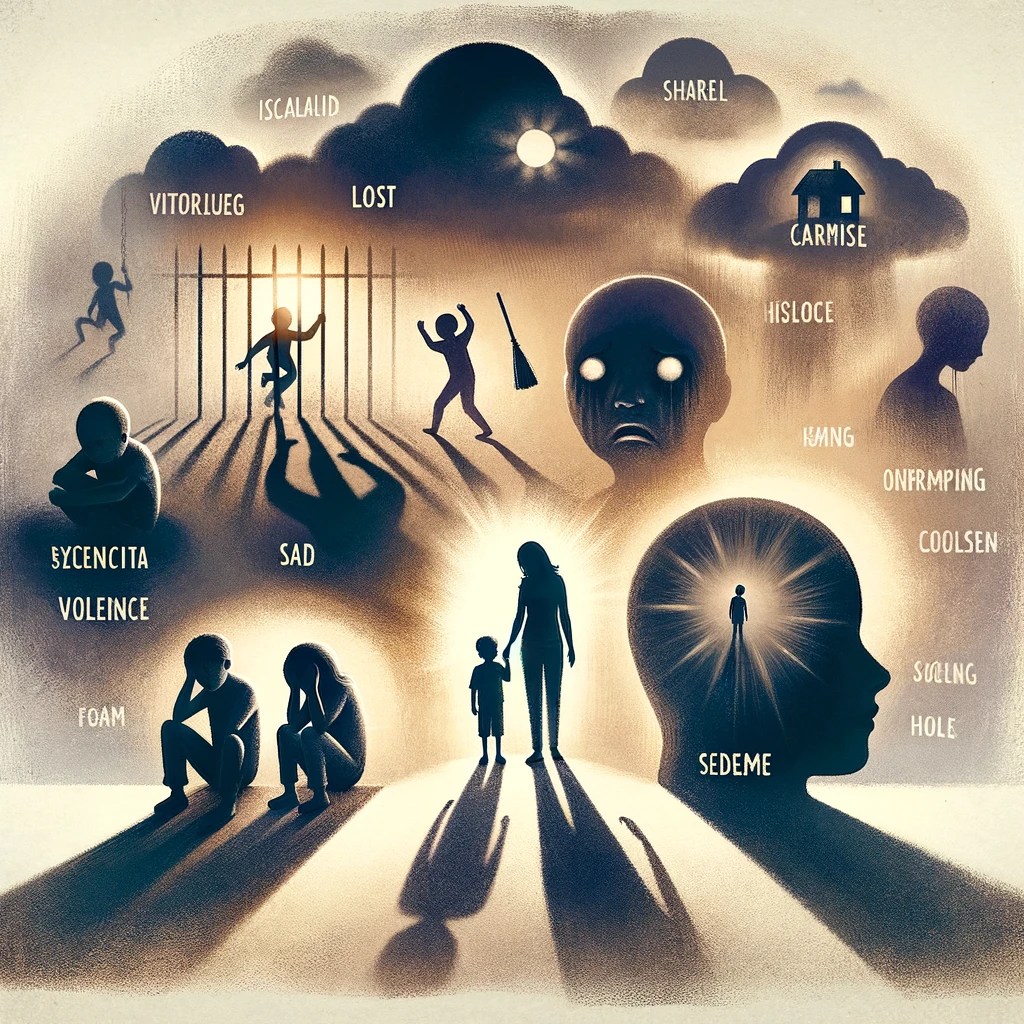
The Impact of Domestic Violence on Children
Children exposed to domestic violence face serious consequences—physical injuries, emotional turmoil, and developmental delays.
They may experience anxiety, depression, and difficulties in learning and socialization, carrying these scars into their adult lives.
Impact of Domestic Violence on Adults
Adult victims of domestic violence suffer from a range of physical and psychological effects, including chronic pain, mental health disorders such as PTSD, and an exhausting cycle of abuse.
Recognizing the signs of abuse is critical for intervention and support.

Self-Blame as a Coping Mechanism
Domestic violence has profound impact on psychological health (e.g., anxiety, depression, thoughts of suicide, post-traumatic stress, psychosomatic symptoms, etc.). The emotional background that victims form (i.e., low self-esteem, feelings of inadequacy, the belief that they are unworthy of love), combined with the perpetrator’s volatile reactions, locks them in a “cycle of violence.”
Gradually, a victim of ongoing domestic violence begins to see themselves through the abuser’s eyes. They start to “learn” to blame themselves. The perpetrator, methodically and progressively, imposes the view that the victim bears some responsibility, aiming to keep them trapped in this situation without seeking a way out.
Often, especially abused women adopt even the excuses or arguments of their abusers: “I am like my mother, who provoked my father and got beaten” “I do everything wrong, something is wrong with me,” “Yes, but I provoked him too.”
Accepting a burden of responsibility that does not belong to them, victims of abuse end up experiencing feelings of guilt and shame, which act as significant barriers to revealing and reporting the violence.
Helplessness in Response to Abuse
The repeated painful experiences from abuse and the traumatic nature of the relationship with the abuser—which is reinforced during the periods between incidents when the perpetrator appears calm, caring, and remorseful—result in the survivors’ inability to react, feelings of inadequacy, and the sense that they cannot support themselves.
This condition, known as “learned helplessness,” leads victims to believe that they have no influence over their personal lives, which drives them to resign from trying to gain independence through escape.
The idea of escape seems even more frightening due to the fear within the relationship of what might happen next, that the perpetrator will harm the victim and the children if they decide to leave, that they will not be believed, as well as fear of social stigma.
Tips and Strategies for Victims of Domestic Violence
Addressing and recovering from domestic violence requires courage, strength, and access to supportive resources. Here are some tips and strategies to help victims take the first steps towards safety and well-being, as well as after they have moved away from danger and need to take control of their lives.
- Recognizing the Situation: The first step to recovery is recognizing that you are in a situation of abuse. You are not responsible for the violence inflicted upon you.
- Creating a Safety Plan: Gather important documents and items you might need if you have to leave quickly (ID, passport, bank documents, keys). Inform a trusted friend or relative about your situation and discuss potential escape plans.
- Contacting Support Organizations: There are many organizations and services that can offer help and support to victims of domestic violence. These may include counseling, legal aid, and protection.
- Seeking Therapeutic Support: Psychological and emotional support is critical for recovery. Seek the help of a mental health professional experienced in dealing with domestic violence victims. Therapy can help you process feelings, overcome trauma, and build a new life.
- Using Technology Safely: It’s important to use technology safely if there is a risk of being monitored by the abuser. Use secure passwords, change privacy settings on social networks, and use anonymous browsing when searching for information or help online.
- Maintaining Physical Health: Violence can have serious physical consequences. Schedule visits to a doctor to check your physical condition and address any physical harm. Caring for your physical health is an important step towards recovery.
- Building a Support Network: Connect with others who have experienced similar situations. Support groups and communities can offer understanding, empathy, and valuable advice. Solidarity with individuals who have similar experiences can be empowering and help you feel less alone in your struggle.
- Informing Yourself and Legal Protection: Learn about your legal rights and available options for protection, such as restraining orders or other legal procedures that can offer protection. Working with legal advisors or organizations specializing in supporting abuse victims can be crucial for ensuring your safety.
- Seeking Specialized Help for Children: If there are children affected by domestic violence, ensure their psychological support through specialized programs and professionals. Protecting the emotional and psychological well-being of children is vital for their healthy development.
- Personal Empowerment: Work on your personal development and empowerment. Activities such as yoga, meditation, or learning new skills can help restore self-esteem and discover your inner strength. Seek opportunities for self-improvement and self-realization that bring you joy and satisfaction, and contribute to rebuilding your life in a more positive context.
- Redefining Boundaries: Learn to set healthy boundaries in your relationships, protecting yourself from toxic behaviors and maintaining your personal well-being. Recognizing and respecting your own needs are key to developing healthy and supportive relationships.
- Keeping an Emotions Diary: Recording your thoughts, feelings, and experiences can serve as a powerful therapeutic tool and self-analysis. This can help you process your experiences, recognize patterns, and plan your future with more awareness and purpose. If time passes and you feel you have not made progress, refer back to your initial notes and you will discover how far you have come.
- Developing Stress Management Strategies: Stress and pressure can be constant in someone’s life who is facing or has faced domestic violence. Explore stress management techniques such as breathing, reducing stimuli, exercising, and mediation to find what works best for you. Regular exercise, for example, not only aids physical well-being but also helps restore emotional balance.
- Exploring New Interests and Hobbies: Developing new interests and dedicating time to hobbies can be a source of positive energy and self-esteem. Whether it’s art, music, writing, or a sport, engaging in activities that fulfill you can strengthen your sense of identity and self-actualization.
Guidance for Perpetrators Seeking Change
Change begins with the recognition of harmful behaviors. Seeking professional counseling and participating in programs designed for abusers are encouraged, taking responsibility for their actions and working towards reform. No professional will judge you for seeking help. Acknowledge the problem and seek a better life for both yourself and those around you.
Final Words on the Matter
Addressing domestic violence is essential for the well-being of individuals and the wider community. A collective effort is required to support victims and prevent future violence. Together, we can create a safer, more compassionate world.



 Sonia M. Rompoti, MSc, Bsc
Leave a comment