


The cyclical nature of the seasons is deeply embedded in the fabric of the Earth’s ecosystem. This perpetual cycle brings about the solstices and equinoxes, which have held profound significance for humanity, not least within the realms of witchcraft and pagan traditions.
Witchcraft, in its essence, is deeply rooted in the natural world, drawing on the energies of the Earth, the Moon, the Sun, and the cosmos. The solstices and equinoxes are particularly important, representing the balance of light and dark, the changing energies of the Earth, and the cycle of life, death, and rebirth.

Summer Solstice (Litha)
The Foundation of Practice
At the heart of witchcraft lies a profound reverence for nature and its cycles. The solstices and equinoxes represent pivotal moments in these cycles, marking the transitions between the seasons. These times are not merely acknowledged; they are celebrated as sacred, with rituals that have been refined through centuries.
They symbolize the eternal dance between light and darkness, life and death, and the interplay between the physical and spiritual worlds.

Winter Solstice (Yule)
Symbolism and Correspondences
Each solstice and equinox carries specific symbolic meanings and correspondences within witchcraft. These include elements, directional associations, colors, plants, and deities, which are thought to embody the essence of each point in the Wheel of the Year.
- Summer Solstice (Litha): Fire, the South, red, orange, gold, strong sun-loving plants like St. John’s Wort, and sun deities.
- Winter Solstice (Yule): Earth, the North, green, red, white, evergreens, and rebirth or sun deities.
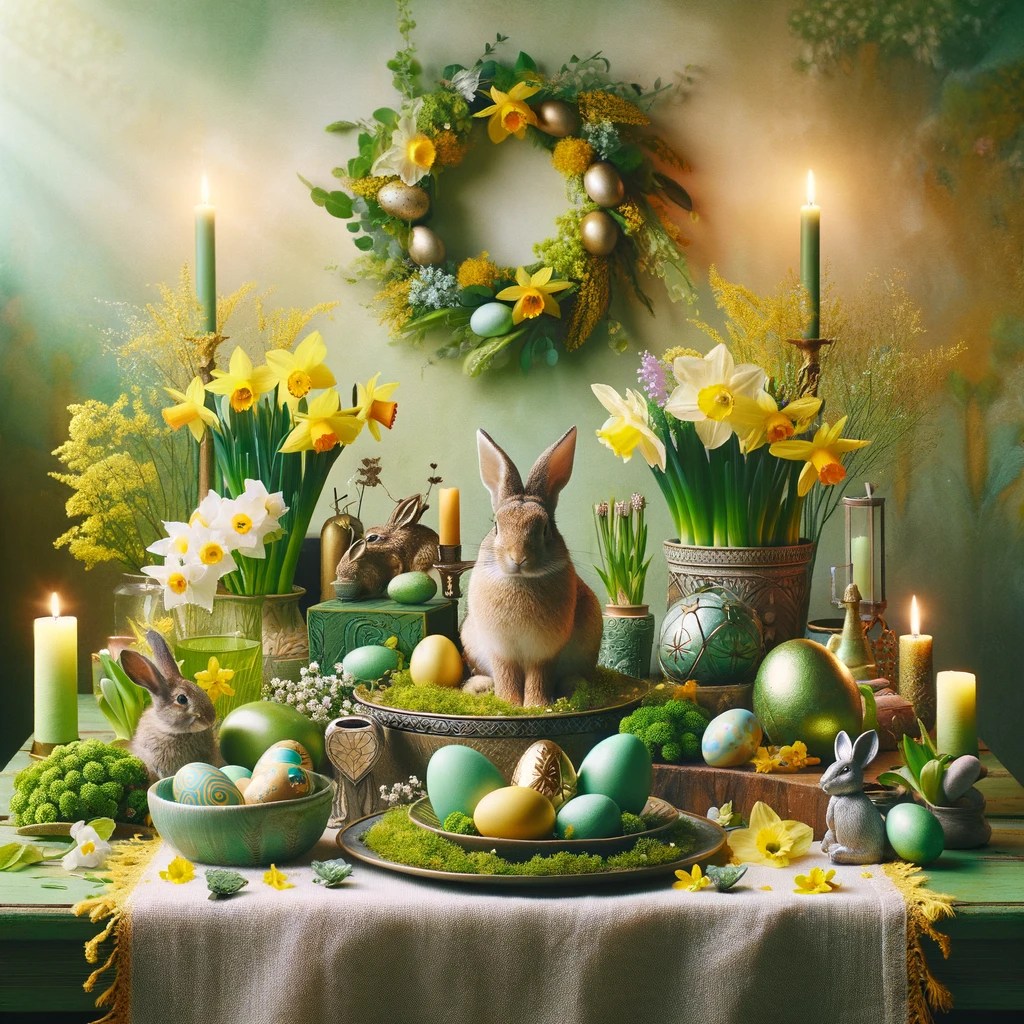
- Spring Equinox (Ostara): Air, the East, light green, yellow, early spring flowers, and fertility deities.
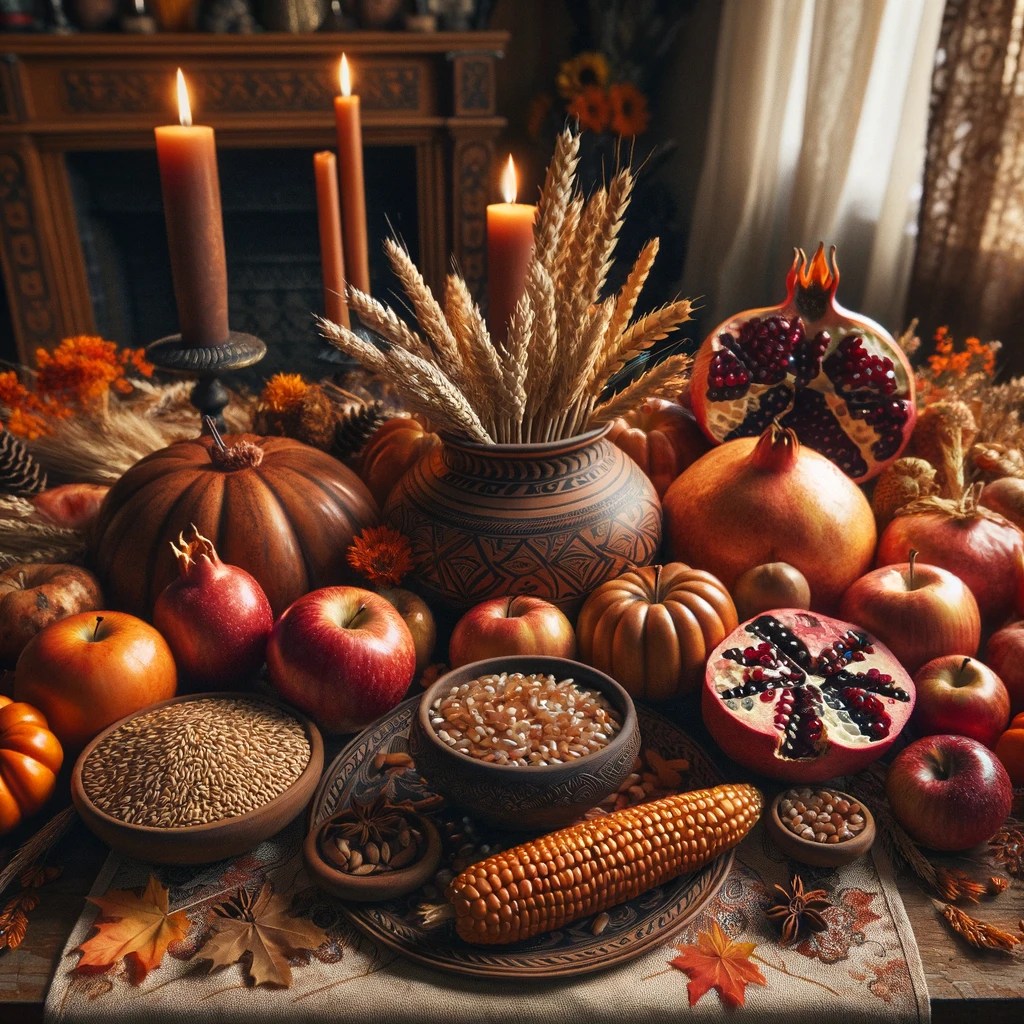
- Autumn Equinox (Mabon): Water, the West, brown, orange, harvest crops, and deities of gratitude and abundance.
Spring Equinox (Ostara)
Deepening the Connection: Rituals and Practices
Crafting Sacred Space
Rituals for these significant times often begin with the casting of a circle, a practice that creates a protected and consecrated area for magical work. The circle acts as a boundary between the mundane world and the sacred, allowing practitioners to step outside of ordinary time and space.
Altar Decorations
For each event, witches may create altars adorned with items that reflect the season’s energy. These might include:
- Litha: Solar symbols, crystals like citrine or sunstone, and fresh flowers.
- Yule: Evergreen boughs, pine cones, symbols of the sun such as gold discs, and lights or candles.
- Ostara: Eggs, rabbits, early blooming flowers, and seeds.
- Mabon: Apples, pomegranates, cornucopias, and grains.
Seasonal Rituals
Rituals performed during these times are deeply symbolic, focusing on the energies specific to each season. For instance, Litha rituals might focus on personal power and protection, celebrating the peak of the Sun’s power. Yule rituals, on the other hand, might concentrate on the rebirth of light and setting intentions for the coming year. Ostara rituals often involve planting seeds, both physically in the earth and metaphorically in one’s life, symbolizing new beginnings and growth. Mabon rituals may center around giving thanks for the harvest, recognizing abundance, and preparing for the dark half of the year.
Autumn Equinox (Mabon)
The Wheel of the Year: A Cycle of Life, Death, and Rebirth
The solstices and equinoxes form the backbone of the Wheel of the Year, a witchcraft concept that represents the annual cycle of seasonal festivals. This wheel symbolizes the lifecycle of the Goddess and the God, their courtship, union, and the God’s death and rebirth, which is mirrored in the agricultural cycle of sowing, growth, harvest, and fallow periods.
The Practical Magic of Observation and Alignment
Witches use these times for reflection, learning from the past, planning for the future, and aligning their lives with the rhythms of the natural world.
This practice is not just spiritual but also practical, encouraging a sustainable and harmonious way of living.
Final words: Beyond Rituals
The solstices and equinoxes, through the lens of witchcraft, are a reminder of our connection to the natural world and the cycles that govern life itself. They offer a time to pause, reflect, and celebrate the changes not only in the world around us but also within ourselves. These moments encourage a balance between action and introspection, giving and receiving, and speaking and listening, guiding practitioners in their personal growth and spiritual journey.
To truly honor these powerful times, one might consider how these practices can be incorporated into daily life, beyond the confines of ritual and ceremony. This could include living more seasonally, recognizing the impact of our actions on the environment, and fostering a deeper connection with the natural world on a daily basis.
In integrating the profound lessons of the solstices and equinoxes into our lives, we can cultivate a more meaningful, balanced, and harmonious existenc


 Sonia M. Rompoti, MSc, Bsc
Leave a comment