



Play therapy stands as a cornerstone in child psychology, offering a bridge between young minds and the complex world of emotional healing and understanding.

This therapeutic approach leverages the natural language of children—play—to enable them to express feelings, experiences, and emotions in a safe and supportive environment.
This guide aims to demystify play therapy for parents, shedding light on its processes, benefits, and how it can be a transformative journey for children facing emotional and psychological challenges.

Understanding Play Therapy
At its core, play therapy is grounded in the belief that play is essential to a child’s cognitive, emotional, and social development. Certified play therapists use guided play sessions to help children work through emotional issues, trauma, and developmental disorders.
It’s a child-centered therapy, meaning it’s tailored to the child’s needs and pace, providing them with the autonomy to express themselves in their language.
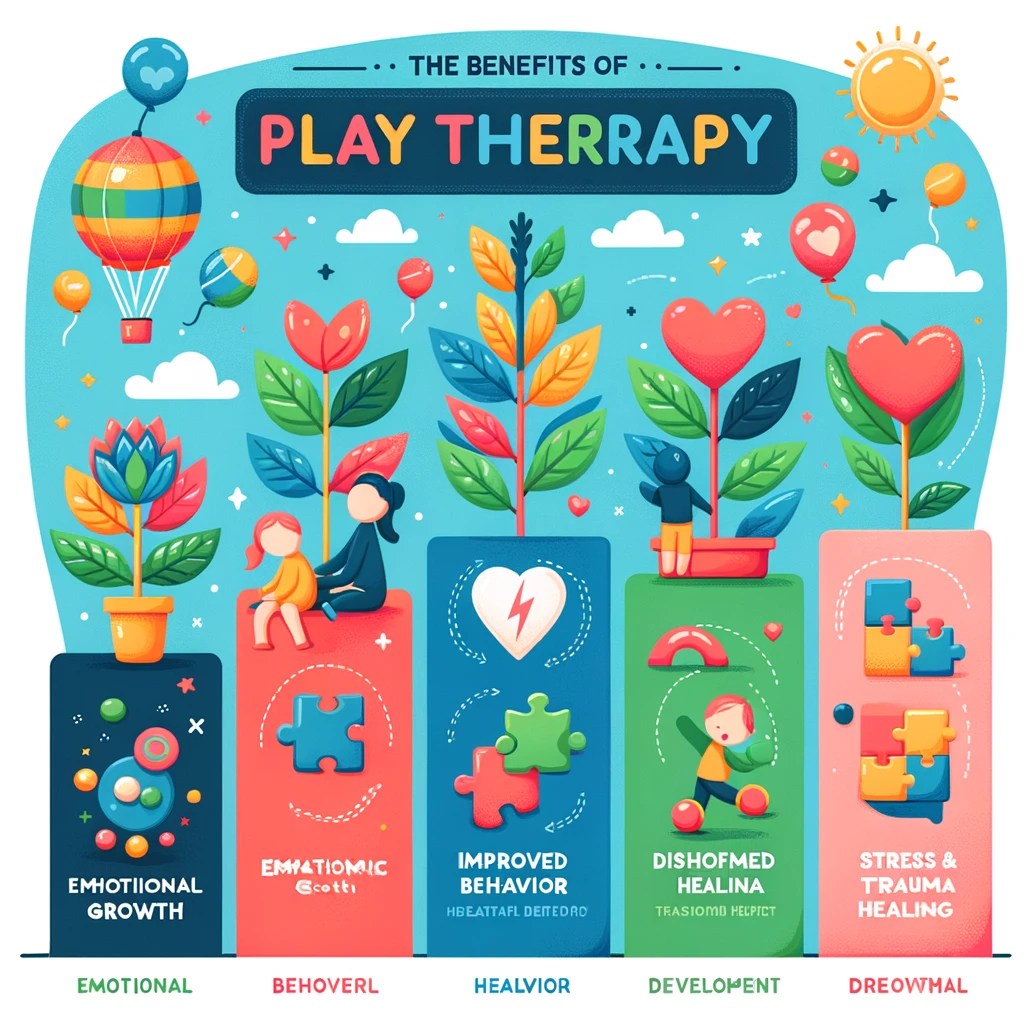
The Benefits of Play Therapy
Play therapy offers a multitude of benefits for children, including but not limited to:
- Emotional Resilience: Helps children express and process difficult emotions, fostering resilience even during tough times, throughout their lives.
- Improved Behavior: Assists in understanding and managing behaviors and social skills, which in turn will aid them in creating friendships that will shelter them later in life.
- Stress and Trauma Healing: Offers a safe space to navigate and heal from trauma, even in the presence of adults; which often seems to be an issue.
- Developmental Growth: Encourages cognitive development and problem-solving skills in a variety of situations.
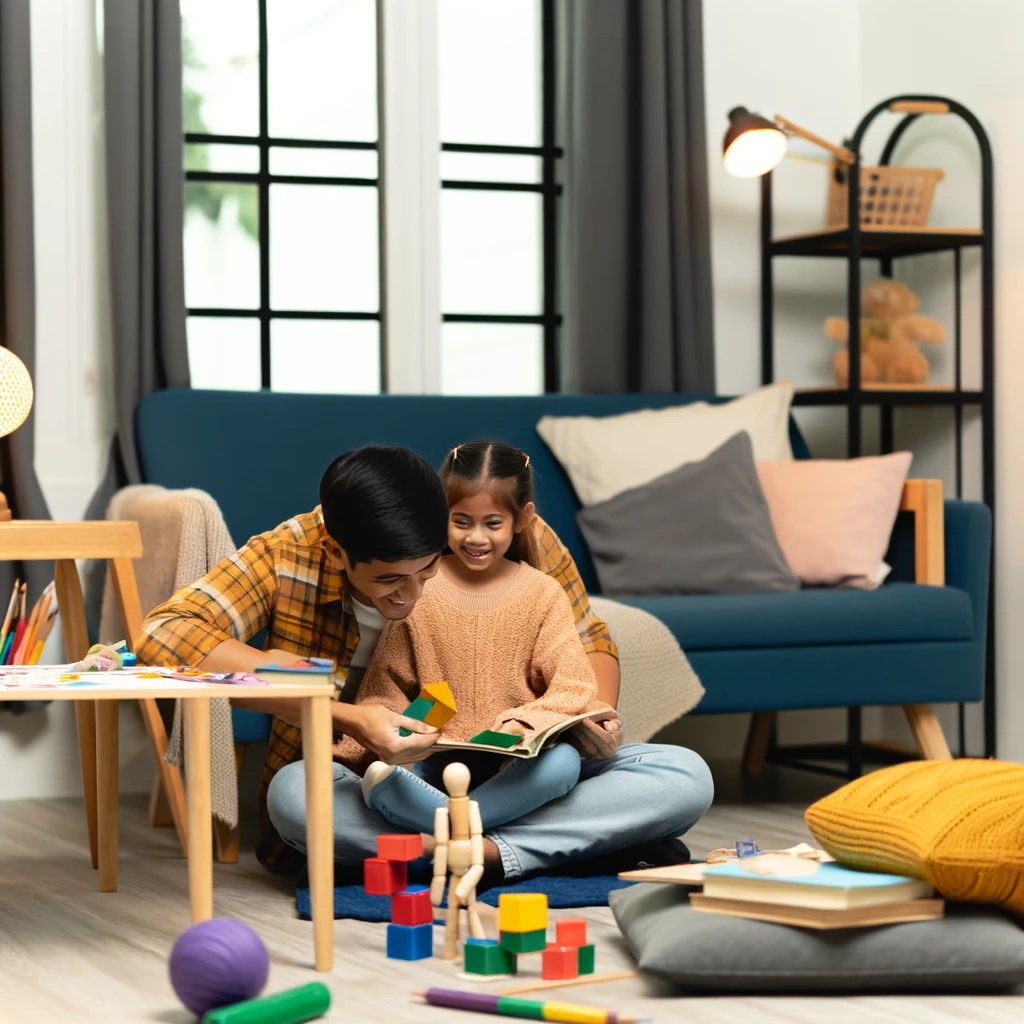
For Parents: How to Support Your Child in Play Therapy
Engagement and support from parents are pivotal in maximizing the effectiveness of play therapy. Here are some ways parents can contribute to their child’s therapeutic journey:
- Stay Informed: Understand the goals and processes of play therapy by communicating openly with the therapist.
- Be Patient: Emotional and psychological healing takes time. Celebrate small victories and progress.
- Create a Supportive Home Environment: Extend the principles of play therapy at home by providing a safe, accepting space for expression and play.
- Participate When Appropriate: Some therapists might incorporate sessions with parents. Be open to participating and learning how to best support your child’s emotional needs.

Choosing the Right Play Therapist
Selecting a therapist who is a good fit for your child is crucial. Look for professionals certified in play therapy, with experience relevant to your child’s needs. Don’t hesitate to ask questions about their approach, qualifications, and how they involve parents in the therapy process.
It is important to always trust your gut feeling when it comes to therapists; someone may hold all the correct qualifications, but feel wrong, and it is my view you should steer clear of these people. Keep in mind that one therapist may be perfect for one person, but totally wrong for another.
Final Thoughts
Play therapy is a powerful modality in child psychology that respects the child’s natural mode of expression. It offers a pathway to healing, understanding, and growth for children grappling with psychological and emotional difficulties.
By choosing the right therapist and actively supporting your child’s therapeutic journey, you pave the way for their resilience, emotional intelligence, and overall well-being.



 Sonia M. Rompoti, MSc, Bsc
Leave a comment