



In these challenging times, it’s common for children to feel uncertain and anxious. The global situation, changes in daily routines, and the emotional climate of their caregivers can significantly affect their mental well-being.
As caregivers, it’s crucial to provide a supportive environment that helps mitigate these anxieties. This article explores practical strategies for managing anxiety in children, offering insights and tips to navigate these turbulent periods.

Understanding Anxiety in Children
Anxiety in children can manifest in various ways, from clinginess and irritability to physical symptoms like headaches and stomachaches. Recognizing these signs early is the first step in providing the right support.
It’s essential to approach these concerns with empathy, acknowledging their feelings as valid, and reassuring them that it’s okay to feel anxious.
Creating a Sense of Routine and Normalcy
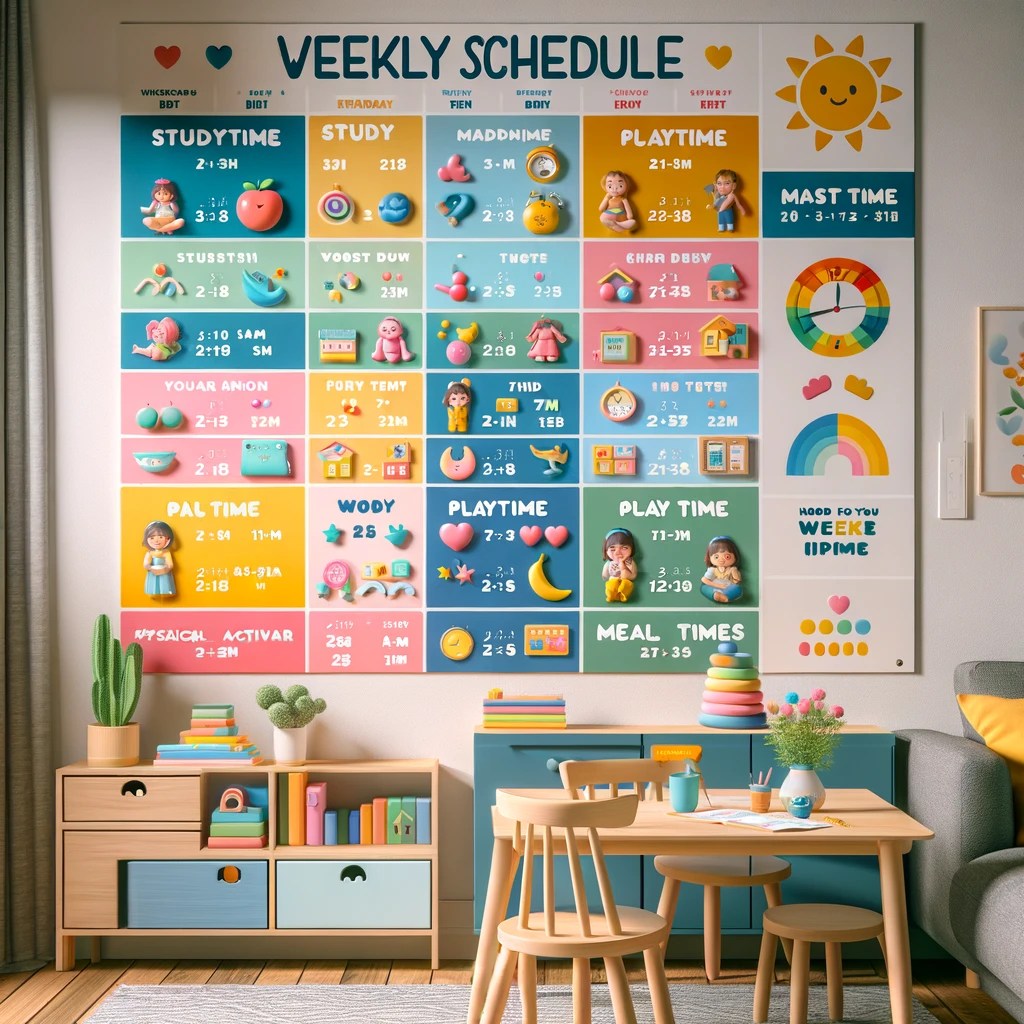
One of the most effective ways to alleviate anxiety is by establishing a predictable routine. Uncertain times can disrupt daily life, making it vital to create a sense of normalcy through a structured daily schedule.
This includes regular meal times, study periods, playtimes, and bedtimes. A routine provides a sense of security, reducing anxiety caused by unpredictability.

Open Communication
Encourage open dialogue about their feelings and fears. Use age-appropriate language to discuss current events and reassure them that their safety is your top priority. It’s important not to dismiss their concerns but to validate and address them constructively.
Tip: Use storybooks or narratives to help children understand and express their feelings.
Teach Anxiety Management Techniques
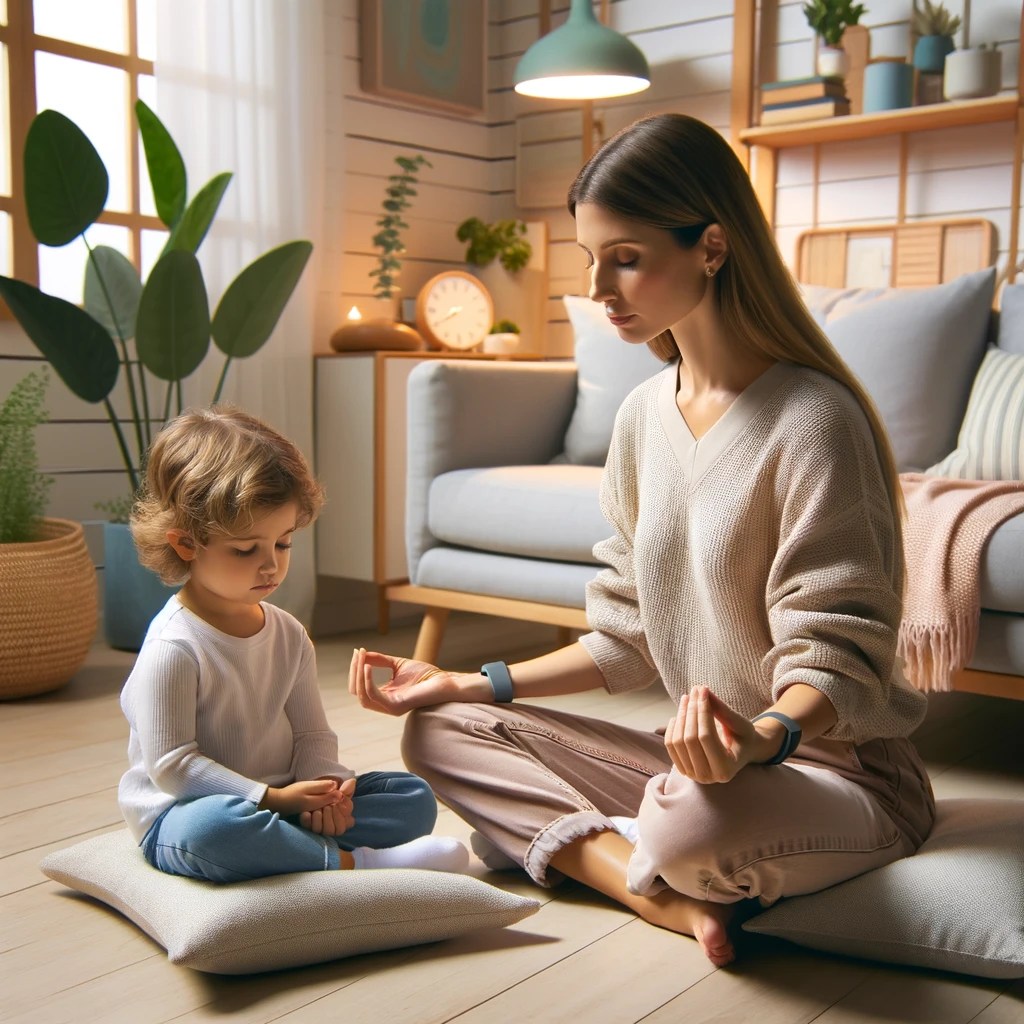
Equipping children with tools to manage their anxiety is empowering. Simple techniques such as deep breathing, mindfulness exercises, and guided imagery can be effective. Teach them to recognize the signs of anxiety and to use these tools to calm themselves.
Trick: Create a ‘calm down’ kit with items like stress balls, coloring books, and calming music or sounds.

Maintain a Healthy Lifestyle
Physical health significantly impacts mental health. Ensure that children have a balanced diet, engage in regular physical activity, and have adequate sleep. These elements are foundational to managing anxiety levels.

Limit Exposure to Stressful Information
With constant access to media and news, it’s crucial to limit children’s exposure to stressful information. Be mindful of conversations and media consumed in their presence. Offer simplified explanations about current events to prevent misinformation and additional stress.

Encourage Social Connections
Social isolation can exacerbate anxiety. Encourage children to maintain connections with friends and family through safe means, such as video calls or socially distanced gatherings. These interactions provide emotional support and a sense of belonging.
Foster Independence and Confidence
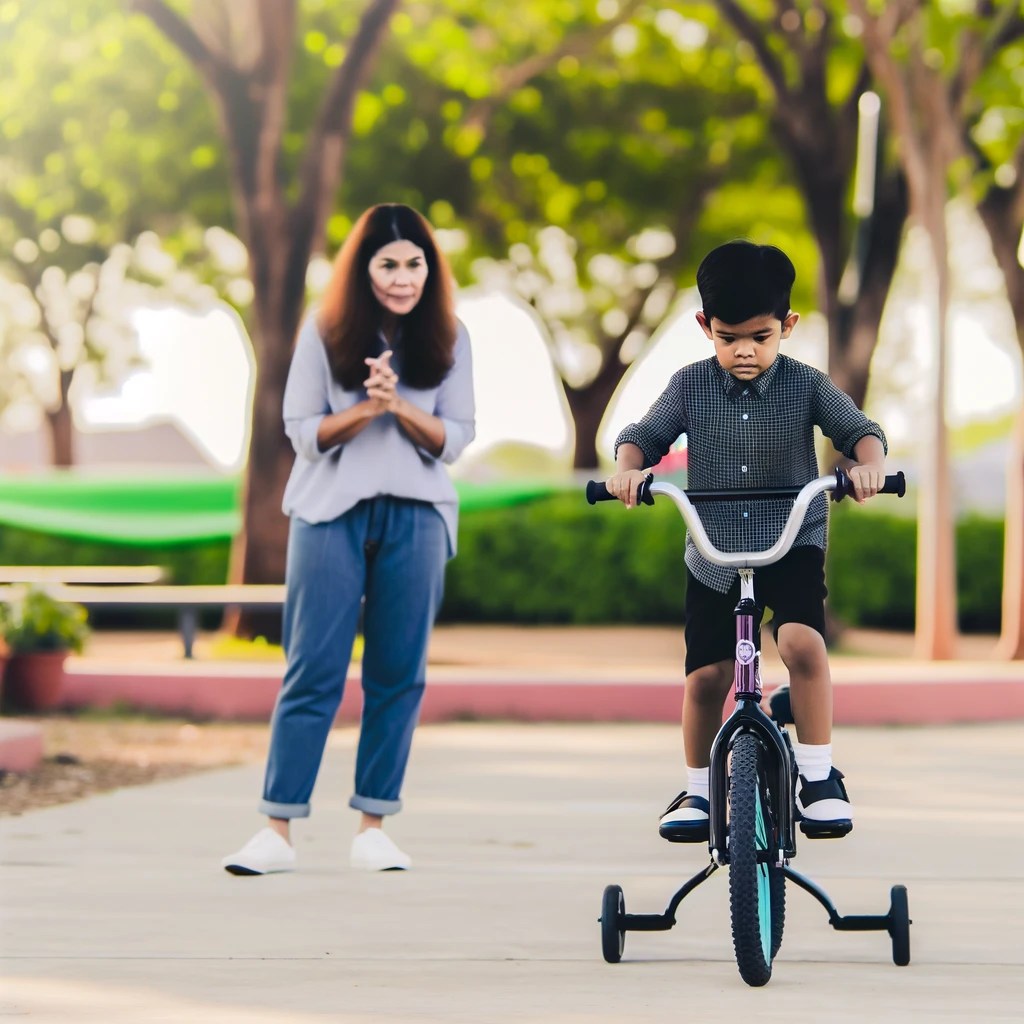
Empower children by involving them in decision-making processes and encouraging them to take on age-appropriate responsibilities. This builds their sense of control and self-efficacy, which can reduce feelings of anxiety.
Professional Support
Recognize when professional help is needed. Persistent anxiety that interferes with daily functioning is a signal to seek support from a mental health professional. They can provide tailored strategies and interventions to manage anxiety effectively.

In Summary
Managing anxiety in children during uncertain times requires a multifaceted approach, emphasizing routine, open communication, healthy lifestyle choices, and emotional support. By implementing these strategies, caregivers can help children navigate anxiety with resilience, fostering a sense of security and well-being.
While these times are challenging, they also present an opportunity to teach children valuable coping skills that will serve them throughout life. By applying these strategies, caregivers can help children emerge from these uncertain times stronger, more adaptable, and more resilient.



 Sonia M. Rompoti, MSc, Bsc
Leave a comment