



In the tapestry of human experience, resilience and adaptation emerge as intricate threads, weaving through the fabric of our lives, especially during crises. Whether it’s grappling with the global upheaval of a pandemic, weathering the storms of economic downturns, or finding our footing after personal loss, these qualities help us navigate through tumultuous times.
This article delves into the essence of resilience and adaptation, shedding light on how adults recover and thrive in the face of significant life challenges.

The Nature of Resilience
Resilience is not a trait that individuals either have or lack; it involves behaviors, thoughts, and actions that can be learned and developed by anyone.
It is the psychological buoyancy that enables individuals to emerge from adversity stronger, more resourceful, and more determined. Psychologist Ann Masten refers to it as “ordinary magic,” highlighting its potential in everyone, regardless of their circumstances.
This resilience is a multifaceted construct, influenced by a combination of personal, social, and environmental factors.

Adaptation: The Process of Transformation
Adaptation, on the other hand, is the process through which individuals adjust to new conditions or realities. It is an active, dynamic process that often involves re-evaluating one’s goals, expectations, and behaviors to align with the changed environment.
In times of crisis, adaptation may mean finding new ways of working, redefining personal identities, or even transforming grief into a source of strength.

Resilience and Adaptation During Pandemics
The COVID-19 pandemic has been a testament to human resilience and adaptability. Faced with unprecedented challenges, adults across the globe have found ways to adjust to the “new normal.”
From transitioning to remote work to adopting new health and safety practices, individuals have demonstrated remarkable flexibility. Mental health professionals emphasize the importance of maintaining routines, staying connected with loved ones, and seeking professional support when needed as key strategies for coping during such times.
Economic Downturns: Weathering Financial Storms
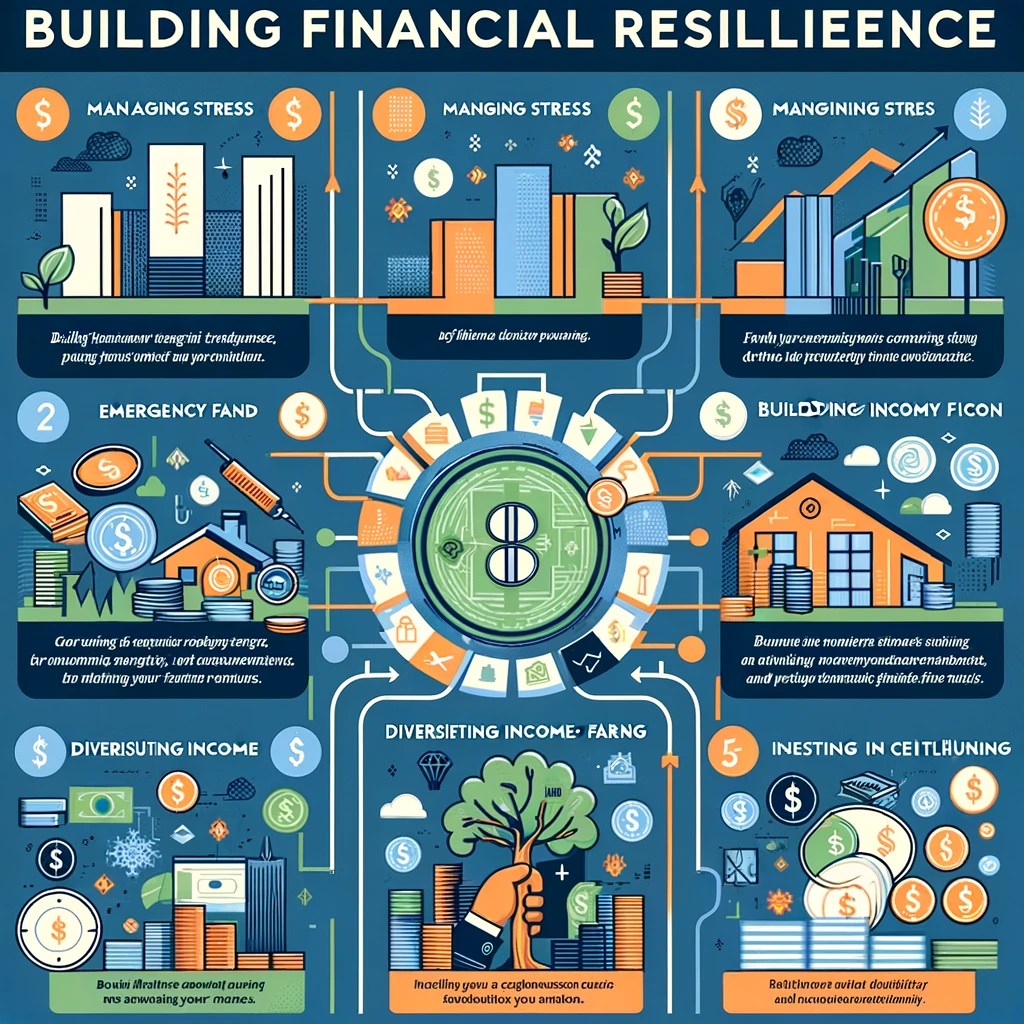
Economic crises pose significant challenges, testing individuals’ resilience and adaptability on multiple fronts. The key to navigating these periods lies in the ability to manage stress, make informed financial decisions, and, when necessary, reinvent one’s career path.
Financial advisors often recommend building an emergency fund, diversifying income sources, and investing in continuous learning as practical steps to enhance financial resilience.

Rising from Personal Loss
The journey through personal loss, whether it be the death of a loved one, the end of a significant relationship, or the loss of employment, demands profound resilience and adaptability.
Grief therapists advocate for allowing oneself to grieve fully while gradually finding meaningful ways to move forward. Engaging in supportive communities, exploring creative outlets, and setting new objectives can facilitate the healing process.
Cultivating Resilience and Adaptability
Building resilience and adaptability is a proactive endeavor. It involves developing a positive outlook, practicing mindfulness, fostering strong relationships, and embracing change as an opportunity for growth.
Psychological research underscores the value of gratitude, optimism, and self-compassion as cornerstones of resilience. Moreover, embracing lifelong learning and staying open to new experiences enhance our capacity to adapt.
The Role of Support Systems
Support systems play a pivotal role in resilience and adaptation. Social support, whether from family, friends, or professional networks, provides a buffer against stress and a foundation for recovery.
Community organizations, online forums, and mental health services offer valuable resources for individuals navigating through crises.
The human capacity for resilience and adaptation is a testament to our enduring spirit. As we navigate through life’s storms, these qualities enable us to emerge not just intact but often stronger and more enriched. By understanding and cultivating resilience and adaptability, we can face the uncertainties of the future with confidence and grace.



 Sonia M. Rompoti, MSc, Bsc
Leave a comment