


In recent years, climate change has ascended from a fringe concern to a global priority, demanding concerted efforts from individuals, corporations, and governments worldwide.
The escalating severity of climate impacts—ranging from devastating wildfires and hurricanes to unprecedented heatwaves—has underscored the urgent need for action.
This article delves into the multifaceted global response to climate change, examining the successes, challenges, and the road ahead.

International Agreements and Policies
At the heart of the global response are international agreements, notably the Paris Agreement of 2015. This landmark accord aims to limit global warming to well below 2, preferably to 1.5 degrees Celsius, compared to pre-industrial levels. To date, it represents the most significant collective commitment to curtailing greenhouse gas emissions, with 196 countries as signatories.
However, the path from commitment to action has been rocky. National pledges to reduce emissions have varied widely in ambition and scope, leading to a patchwork of efforts that scientists warn is insufficient to meet the Agreement’s targets. This discrepancy calls for a critical analysis: what drives the variation in national responses, and how can the global community foster a more unified approach?
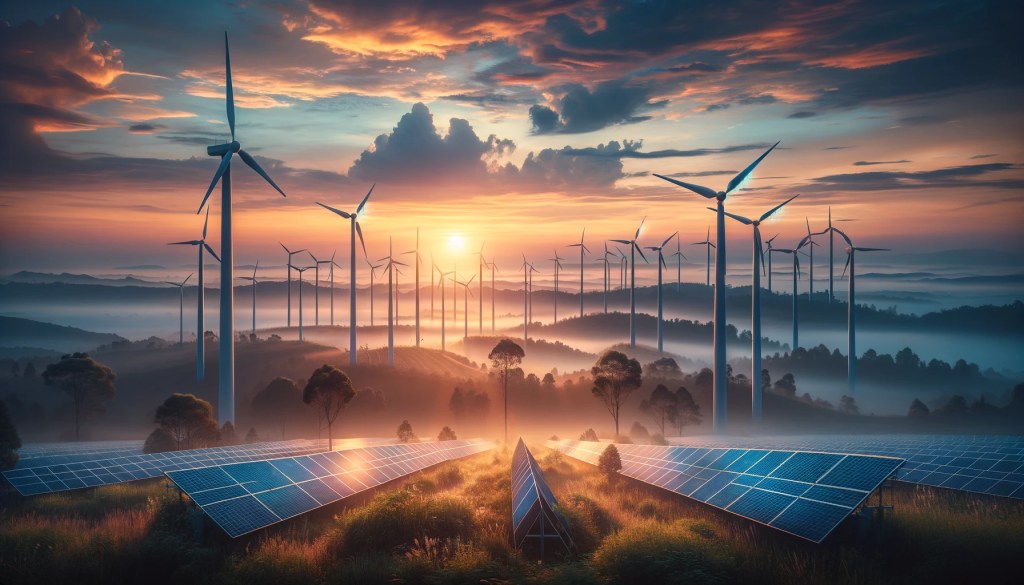
Technological Innovation and Green Energy
A bright spot in the fight against climate change is the rapid advancement and adoption of green technologies. Solar and wind energy, once considered niche and costly, have seen dramatic decreases in price, making them competitive with, or even cheaper than, fossil fuels in many parts of the world.
This transition to green energy is crucial, not only for reducing emissions but also for fostering economic growth and job creation in new sectors. However, the pace of transition varies globally, influenced by factors such as government policy, access to technology, and economic capacity.
The disparity in green technology adoption underscores the need for international cooperation and support, especially for developing countries.
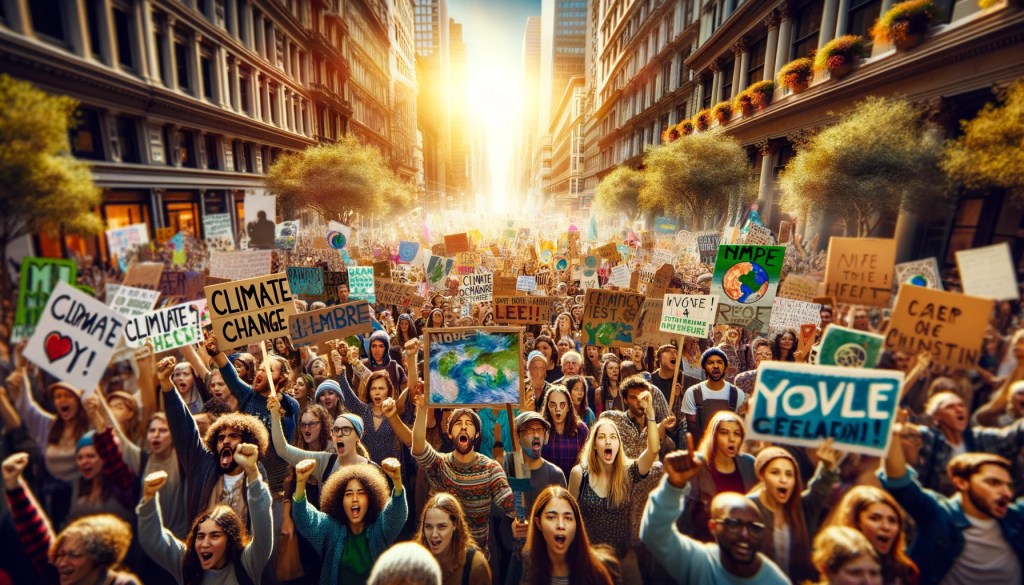
Grassroots Movements and Public Sentiment
The global response to climate change is not solely the purview of governments and corporations; it has also been driven by a groundswell of public engagement. From the Fridays for Future movement inspired by Greta Thunberg to widespread protests demanding stronger climate action, public sentiment has played a pivotal role in pushing for change.
These grassroots movements highlight a critical aspect of the climate response: the power of collective action and the importance of holding leaders accountable. They also reflect a growing awareness and concern among the general public about the impacts of climate change on future generations.

Challenges and Controversies
Despite the progress made, the global response to climate change is fraught with challenges and controversies. One of the most contentious issues is the principle of “common but differentiated responsibilities,” which acknowledges that while all countries are responsible for addressing climate change, developed nations should take the lead due to their historical emissions and greater economic capacity.
This principle has sparked debate over fairness, equity, and the extent of each country’s obligations, complicating international negotiations. Furthermore, the economic and social implications of transitioning away from fossil fuels have led to resistance in regions heavily dependent on coal, oil, and gas industries.

The Road Ahead
Looking forward, the global response to climate change must evolve to address these challenges and capitalize on emerging opportunities. Key areas of focus include enhancing international cooperation, increasing financial support for green technologies in developing countries, and fostering a just transition for communities affected by the shift away from fossil fuels.

Personal Thoughts on the Matter
As we delve into the global response to climate change, it’s impossible not to reflect on the juxtaposition between collective action and individual responsibility. My own perspective on this matter is rooted in a mix of frustration and hope. On one hand, the urgency and scale of the crisis demand that we do more—far more than what is currently being undertaken. Yet, the path forward is shrouded in uncertainty, leaving many of us questioning what exactly can be done, how to do it, and crucially, when.
This sense of ambiguity is not for lack of will or desire to contribute. As individuals, many of us are taking steps, big and small, towards reducing our carbon footprint. Whether it’s adopting a plant-based diet, minimizing waste, or supporting sustainable brands, these actions reflect a growing consciousness and commitment to the planet. However, the journey is often marred by disillusionment. We witness high-profile figures and celebrities, who vocalize support for environmental causes, yet their lifestyles—marked by frequent private jet travels or extravagant consumption—paint a starkly different picture. This dichotomy not only breeds cynicism but also dampens the collective spirit needed to drive meaningful change.
The challenge, then, is not merely in identifying what actions to take but in fostering a culture of accountability and consistency. The discourse around climate change necessitates a shift from highlighting individual actions to demanding systemic change that holds everyone, especially those in positions of influence and power, to the same standards. This isn’t to undermine the value of personal efforts but to acknowledge that the fight against climate change requires unity and integrity at all levels of society.
Moreover, the actions of the few should not discourage the many. While it’s easy to feel disheartened by the seeming hypocrisy of some, it’s vital to remember that every positive action counts. The solution lies not in perfection but in progress; not in individual purity but in collective effort. As simple people, our power is amplified when we join voices, demand better policies, support sustainable practices, and inspire those around us to do the same.
In facing the daunting task of mitigating climate change, let us not lose sight of the strength found in community, the potential for innovation, and the impact of persistent, collective action. It’s in this spirit of resilience and hope that we must continue to push forward, advocating for a future where our actions align with our aspirations for the planet.
As we navigate the complexities of the global climate response, it’s clear that a multifaceted approach is necessary—one that combines policy, technology, and the power of the public to create a sustainable future for all.



 Sonia M. Rompoti, MSc, Bsc
Leave a comment