



Climate change, characterized by global warming, extreme weather events, and shifting weather patterns, presents a significant challenge to financial markets worldwide. Its impacts are far-reaching, affecting agricultural productivity, infrastructure stability, insurance costs, and investment flows. Financial markets, the backbone of global economies, are not insulated from these environmental shifts. Instead, they find themselves at the forefront of adapting to and mitigating the consequences of climate change.
The Direct Impact on Asset Valuations
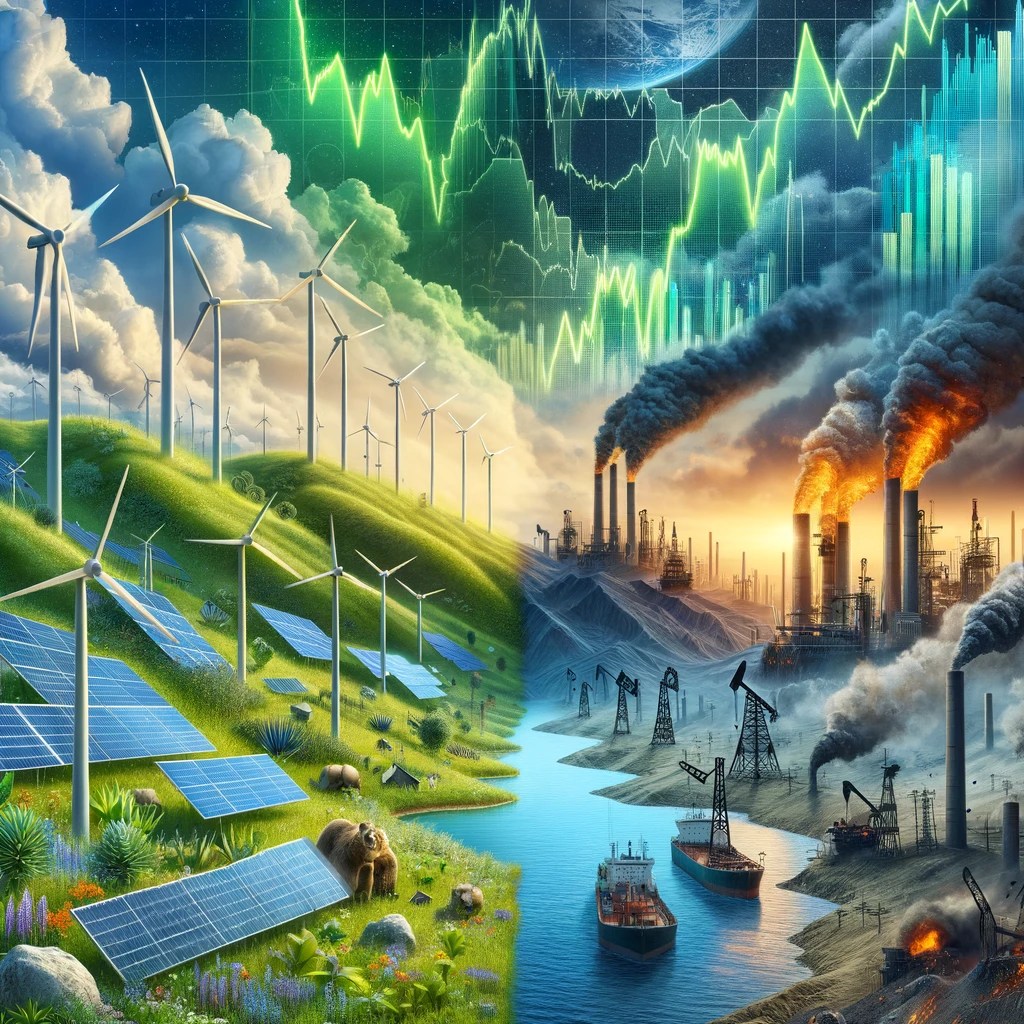
One of the most immediate effects of climate change on financial markets is the reevaluation of asset values. Assets located in areas prone to extreme weather events, such as coastal properties vulnerable to rising sea levels and hurricanes, have seen their values fluctuate significantly.
This reevaluation also extends to sectors like agriculture, where changing climate conditions affect crop yields and, consequently, the financial performance of companies within this sector. Investors and asset managers are increasingly incorporating climate risk into their valuation models, recognizing that long-term sustainability and resilience are key drivers of asset value.

Insurance Markets Under Pressure
The insurance industry, a critical component of financial markets, is facing unprecedented challenges due to the increase in frequency and severity of natural disasters.
These events lead to higher claims, pushing up insurance premiums and, in some cases, prompting insurers to withdraw from high-risk markets altogether. This withdrawal not only affects property owners but also businesses that rely on insurance to mitigate operational risks, potentially leading to increased costs and financial instability.
Shifts in Investment Trends
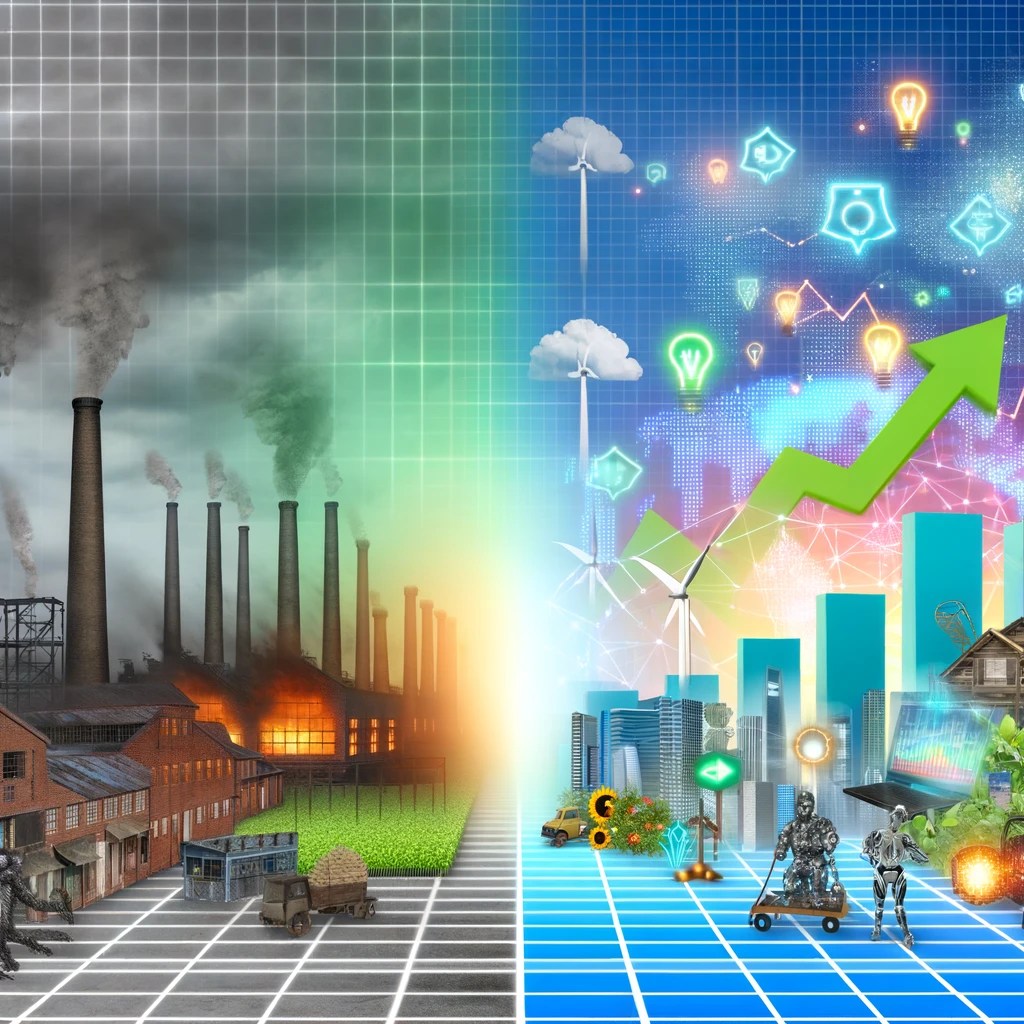
There’s a growing momentum towards sustainable and green investments, driven by both ethical considerations and the recognition of climate change’s long-term financial implications. Investors are increasingly favoring companies and projects that demonstrate a commitment to environmental sustainability, leading to a surge in the popularity of green bonds and sustainable investment funds.
This shift is not merely a trend but a fundamental change in how value is assessed, with sustainability becoming a critical component of investment attractiveness.

Regulatory and Policy Responses
Governments and regulatory bodies are responding to the financial risks posed by climate change with a range of policies and regulations designed to promote sustainability and reduce carbon emissions. These measures include carbon pricing, renewable energy incentives, and mandatory climate risk disclosures for companies.
Such policies not only aim to mitigate the impact of climate change but also shape investment landscapes by creating new opportunities in renewable energy, energy efficiency, and other green sectors.

Market Volatility and Uncertainty
The uncertainty surrounding the pace and impact of climate change contributes to financial market volatility. This uncertainty makes it challenging for investors to predict future market trends, leading to more cautious investment strategies.
Moreover, as climate change continues to affect global supply chains and commodity prices, we can expect increased market volatility, affecting everything from the stock market to global trade patterns.

Opportunities Amidst Challenges
Despite the challenges, climate change also presents opportunities for financial markets. The transition to a low-carbon economy is fostering innovation and driving investment in renewable energy, electric vehicles, and green technologies.
Companies that adapt to these changes and lead in sustainability are likely to emerge as market leaders, attracting investment and driving future economic growth.
Final thoughts
The relationship between climate change and financial markets is complex and multifaceted, with climate change presenting both risks and opportunities for investors, companies, and economies. As the world continues to grapple with the effects of climate change, financial markets are adapting, seeking to mitigate risks while capitalizing on new opportunities presented by the transition to a more sustainable global economy. The future of financial markets in the face of climate change will depend on the collective actions of governments, businesses, and individuals to address these challenges head-on, turning potential crises into avenues for innovation and growth.
This analysis, while based on current trends and data up to early 2023, underscores the dynamic interplay between environmental and economic systems. As we move forward, it will be crucial to monitor these relationships closely, adapting strategies and policies to ensure both ecological sustainability and financial stability in the face of an ever-changing climate landscape.



 Sonia M. Rompoti, MSc, Bsc
Leave a comment