



Developing effective study habits, mastering time management, and staying organized are essential skills for academic success. By adopting these practices, students can optimize their learning, reduce stress, and achieve their goals more efficiently.
In this article, we will explore valuable tips and strategies to help students cultivate effective study habits, manage their time wisely, and maintain organization throughout their academic journey.

Create a Dedicated Study Space
Designate a quiet, well-lit, and clutter-free study area at home where students can focus and concentrate. This space should be solely dedicated to studying, allowing for minimal distractions. Equip it with necessary supplies like notebooks, textbooks, and stationery to ensure everything is readily accessible.

Establish a Study Routine
Establishing a consistent study routine helps students develop discipline and promotes effective time management. Set aside specific time slots each day for studying and stick to the schedule. This routine will condition the mind to be ready for learning during those designated periods and foster a sense of discipline and structure.

Prioritize and Set Goals
Teach students the importance of prioritizing their tasks and setting clear goals. Encourage them to identify the most important and urgent assignments or topics that require immediate attention. By setting realistic goals, students can focus their energy on tasks that contribute to their overall academic progress.
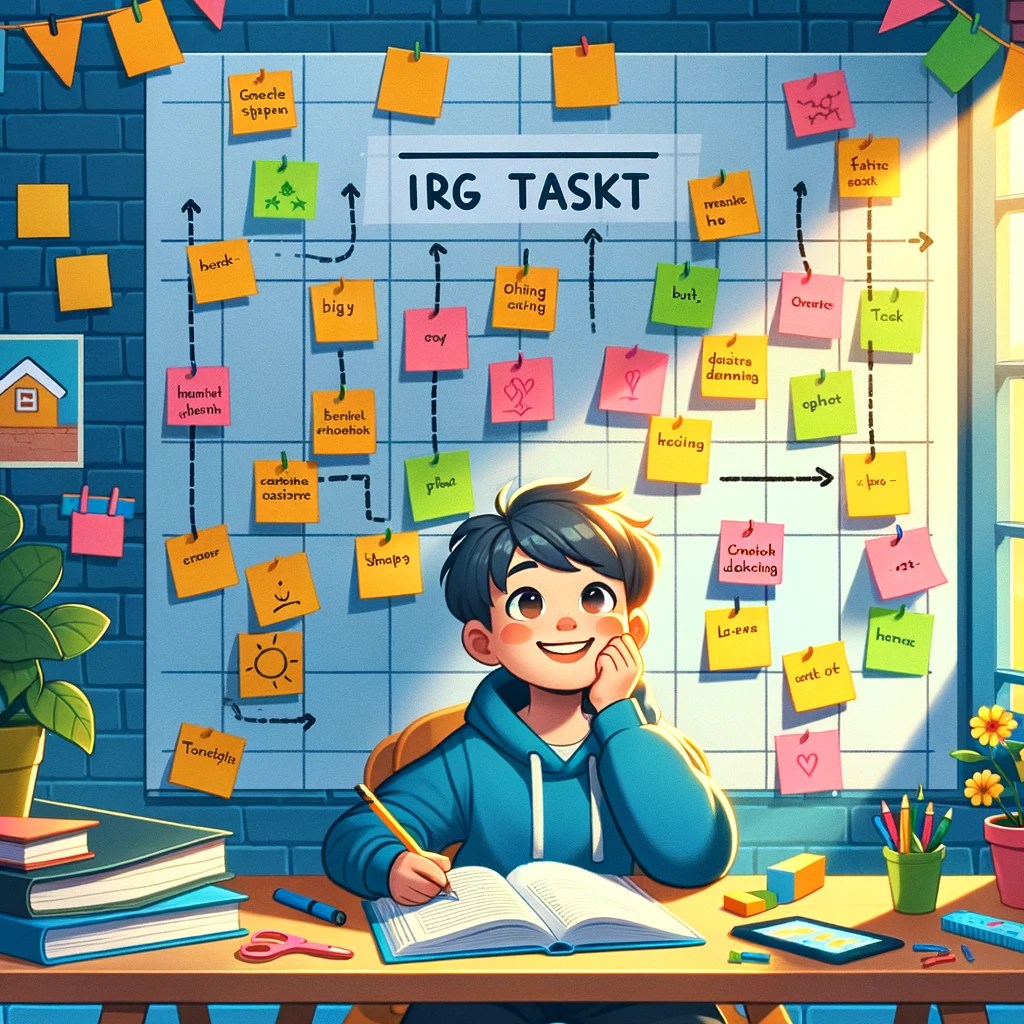
Break Tasks into Manageable Chunks
Large tasks can be overwhelming, leading to procrastination and inefficiency. Help students break down big assignments into smaller, more manageable tasks. This approach makes studying more approachable and reduces feelings of overwhelm. Students can tackle one task at a time, completing each step before moving on to the next.

Utilize Effective Study Techniques
Encourage students to explore various study techniques and find the ones that work best for them. Some popular techniques include creating flashcards, summarizing key concepts in their own words, teaching the material to someone else, and practicing active recall through self-quizzing. Experimenting with different methods allows students to identify what helps them retain information most effectively.

Manage Time Effectively
Time management is crucial for maintaining a healthy balance between academic tasks and other activities. Encourage students to use tools like planners or digital calendars to schedule their study time, assignments, extracurricular activities, and breaks. By allocating time strategically, students can complete their tasks efficiently and still have time for relaxation and personal interests.

Avoid Procrastination
Procrastination can hinder academic progress and increase stress levels. Help students understand the reasons behind their procrastination habits and develop strategies to overcome them. Encourage them to break tasks into smaller steps, set deadlines, and create a reward system for meeting milestones. By tackling tasks promptly, students can reduce stress and maintain momentum.

Stay Organized
Effective organization is key to efficient studying. Teach students to keep track of assignments, due dates, and important materials using folders, binders, or digital tools. Encourage them to maintain a to-do list, use color-coding techniques, and create a system for organizing notes and study materials. A well-organized approach saves time, minimizes frustration, and facilitates easy access to resources.
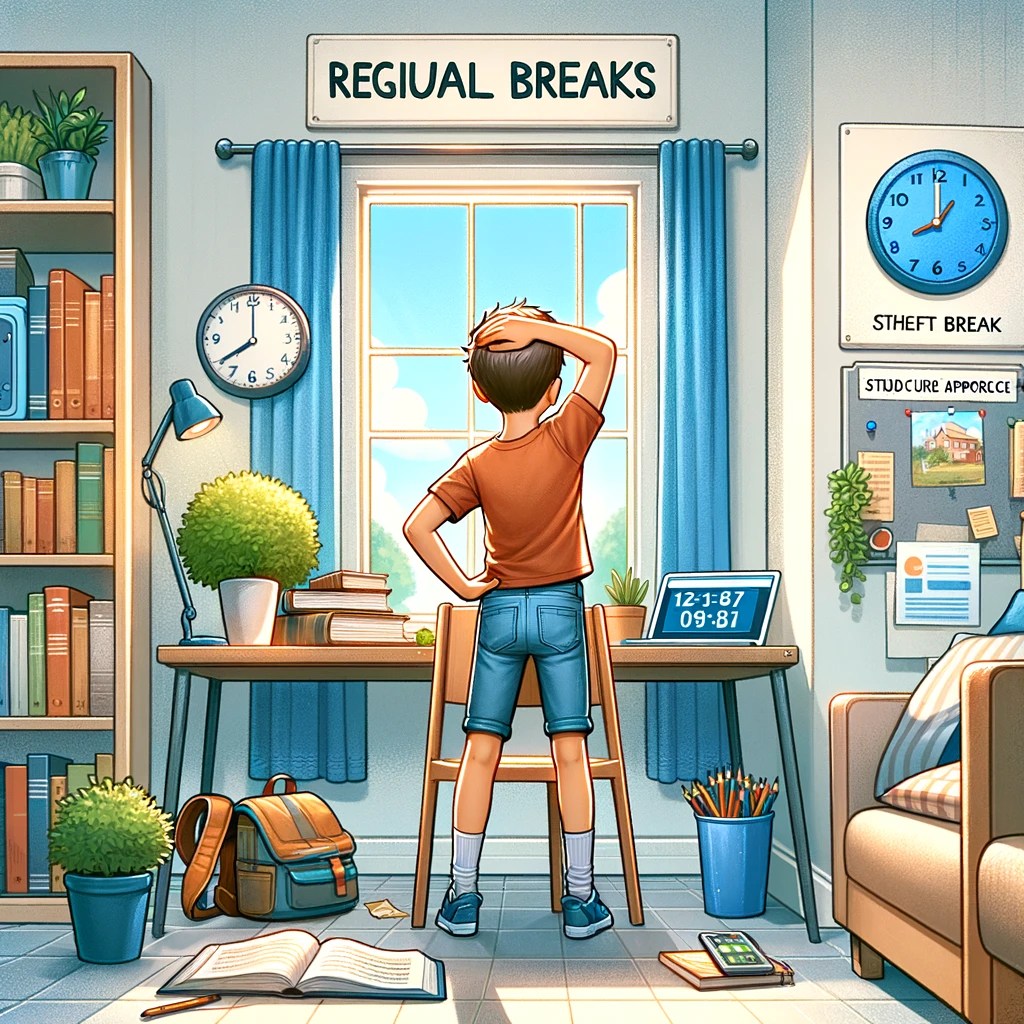
Take Regular Breaks
Encourage students to incorporate regular breaks into their study routine. Short breaks every hour or so allow the brain to recharge and improve focus. Engaging in physical activity, practicing deep breathing exercises, or enjoying a healthy snack during breaks can help rejuvenate the mind and enhance overall productivity.

Seek Support and Ask for Help
Remind students that seeking support is a sign of strength, not weakness. Encourage them to reach out to teachers, classmates, or parents when they need clarification or assistance with their studies. Utilizing available resources, such as tutoring programs or study groups, can provide additional guidance and support.
Final Thoughts
Developing effective study habits, mastering time management, and staying organized are lifelong skills that contribute to academic success. By creating a conducive study environment, setting goals, practicing effective study techniques, managing time wisely, and staying organized, students can optimize their learning experience and achieve their full potential. With patience, consistency, and perseverance, students can cultivate habits that will serve them well throughout their academic journey and beyond.



 Sonia M. Rompoti, MSc, Bsc
Leave a comment