


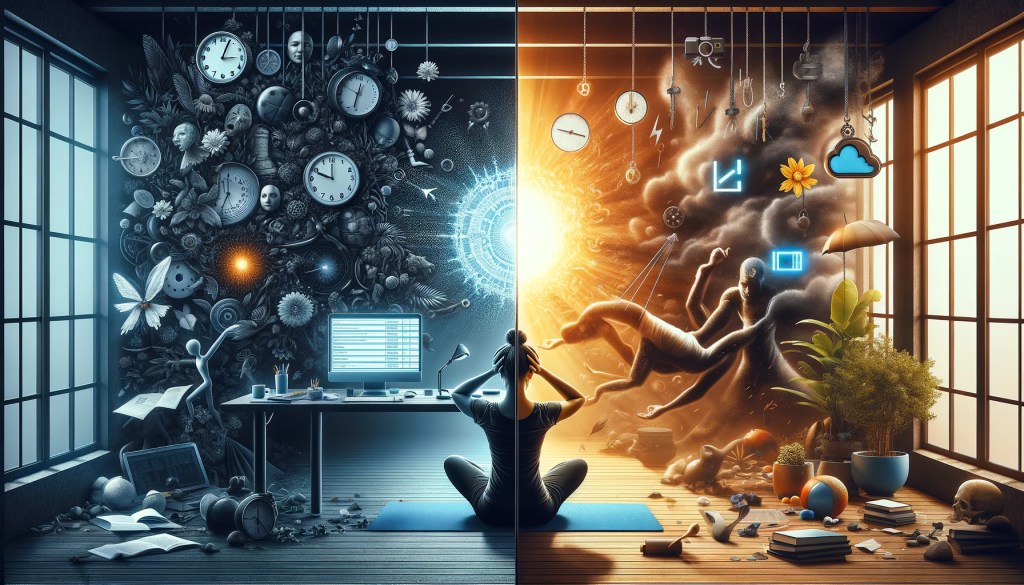
In today’s fast-paced world, where the lines between work and life blur, burnout has emerged as a significant challenge affecting individuals across various sectors.
Originally coined in the 1970s by psychologist Herbert Freudenberger, burnout describes a state of emotional, physical, and mental exhaustion caused by excessive and prolonged stress. It occurs when you feel overwhelmed, emotionally drained, and unable to meet constant demands.
As the stress continues, you begin to lose the interest and motivation that led you to take on a certain role in the first place.
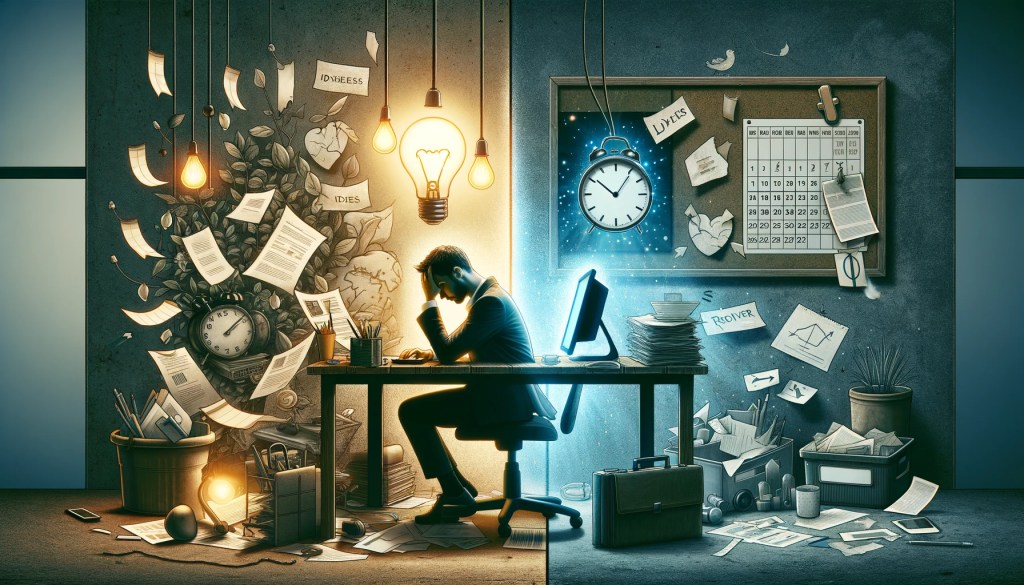
Signs and Symptoms of Burnout
Burnout is not an overnight occurrence; it creeps in, gradually taking hold as stressors accumulate. Recognizing the early signs can be crucial for timely intervention. Common symptoms include:
- Emotional exhaustion: Feeling drained, unable to cope, and tired all the time.
- Detachment: Developing a cynical attitude toward your job, colleagues, and even friends or family.
- Reduced performance: Experiencing a decline in job performance, difficulty concentrating, and a lack of creativity.
- Physical symptoms: Including headaches, stomachaches, and changes in appetite or sleep patterns.
Real-life Applications from my work: Consider the case of Alex, a dedicated healthcare worker during the pandemic. Alex began feeling indifferent about work, experiencing headaches and sleep disturbances, signaling the onset of burnout.

Strategies for Recovery
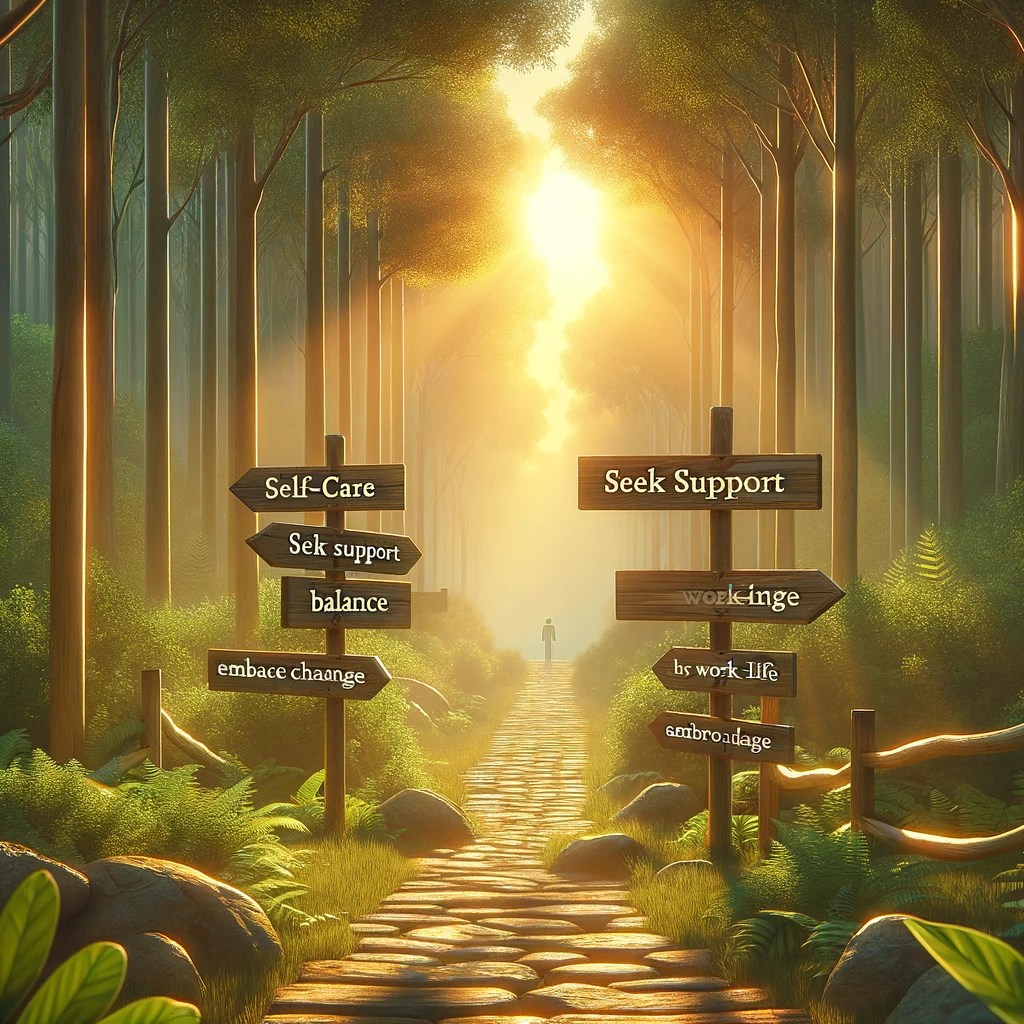
Recovering from burnout requires a multifaceted approach, focusing on self-care, setting boundaries, and seeking support.
- Self-Care: Prioritize your health by ensuring adequate sleep, nutrition, and exercise. Engage in activities that replenish your energy and bring you joy.Real-life Application: Maria, an IT professional, started practicing yoga and allocated time for reading, which significantly improved her well-being.
- Setting Boundaries: Learn to say no. Set clear limits on what you’re willing to do at work and home. It’s essential to manage expectations to prevent overcommitment. Real-life Application: John, a marketing manager, began delegating tasks and turned off work emails after hours to maintain a work-life balance.
- Seek Support: Don’t isolate yourself. Talk about your feelings with friends, family, or a professional. Support groups and counseling can be invaluable. Real-life Application: Linda sought therapy when she recognized burnout symptoms, finding strategies to cope with her stressors effectively.
- Time Management: Implement effective time-management strategies. Break tasks into smaller, manageable parts, and take regular breaks to avoid overwhelm. Real-life Application: Sam, a freelance writer, started using a time management app to organize tasks and incorporated short breaks, enhancing productivity without exhaustion.
- Mindfulness and Relaxation Techniques: Practices like meditation, deep breathing exercises, and mindfulness can reduce stress and enhance your sense of well-being. Real-life Application: Emily, a school teacher, incorporated mindfulness exercises into her daily routine, helping her stay calm and focused.
- Professional Help: Sometimes, professional intervention is necessary. Psychologists and therapists can provide coping strategies and cognitive-behavioral techniques to manage stress.
A Personal Reflection on Navigating Burnout
In contemplating the pervasive challenge of burnout, I’ve come to recognize an inescapable truth that many of us face in this digital age: the relentless competition with machines. In my professional journey, staying ahead of the curve has been a constant battle against bots and the ceaseless tide of Google’s algorithm updates. Machines, with their capacity to work tirelessly, day and night, present a formidable challenge. As a human, my needs for rest, nourishment, and a life beyond the screen are undeniable. While machines continue their unending labor, I must pause, leaving the digital battleground even if only temporarily. Upon my return, the landscape has often shifted, requiring me to catch up, adapt, and strategize anew.
This cycle, while daunting, has illuminated a stark reality: burnout seems an inevitable consequence of our current societal and technological demands. The expectation to perform with machine-like efficiency in a world that never sleeps is a recipe for emotional and physical depletion. Yet, acknowledging this inevitability has also fostered a resilience within me. I’ve learned to recognize the earliest whispers of burnout, those subtle signs that signal it’s time to step back and replenish.
Taking a day or two for myself has become my strategy for survival and success. During these moments of respite, I disconnect from the digital world and immerse myself in activities that rejuvenate my spirit. Whether it’s losing myself in the pages of a book, exploring the tranquility of nature, or simply granting myself the luxury of sleep, these breaks are my lifeline. They are a reminder that in the battle against burnout, self-care is my most potent weapon.
Returning to work after these brief pauses, I find that the tasks awaiting me haven’t vanished. If anything, they’ve accumulated. Yet, the work’s persistent presence no longer daunts me as it once did. Instead, I approach my responsibilities with renewed vigor and a clearer mind, ready to face the challenges that lie ahead.
In sharing these reflections, my hope is to extend a message of solidarity and encouragement to others navigating the turbulent waters of professional life. Burnout, though a formidable foe, can be mitigated through intentional self-care and mindfulness. Remember, we may not have the tireless capacity of machines, but we possess something far more valuable: the ability to heal, reflect, and grow from our experiences. In this human journey, taking time for oneself is not just an act of self-preservation; it’s a declaration of our inherent worth and resilience.
Burnout is a complex condition that requires understanding, patience, and proactive intervention. By recognizing the signs early and employing effective recovery strategies, individuals can reclaim their energy, passion, and sense of purpose. Remember, seeking help is a sign of strength, not weakness. With the right support and self-care, recovery is not just possible; it’s within reach.


 Sonia M. Rompoti, MSc, Bsc
Leave a comment