



In an age bursting at the seams with information, fostering creativity and imagination in children seems like a no-brainer for better major development and good thinking.
Here’s the big a-ha: this isn’t only about preparing them for more full work or plugging their cognition into everyday dreams. No, it’s a winning strategy for brushing up their color world, defining them as leaders, and overall, a powerhouse tactic for their lifelong happy health.
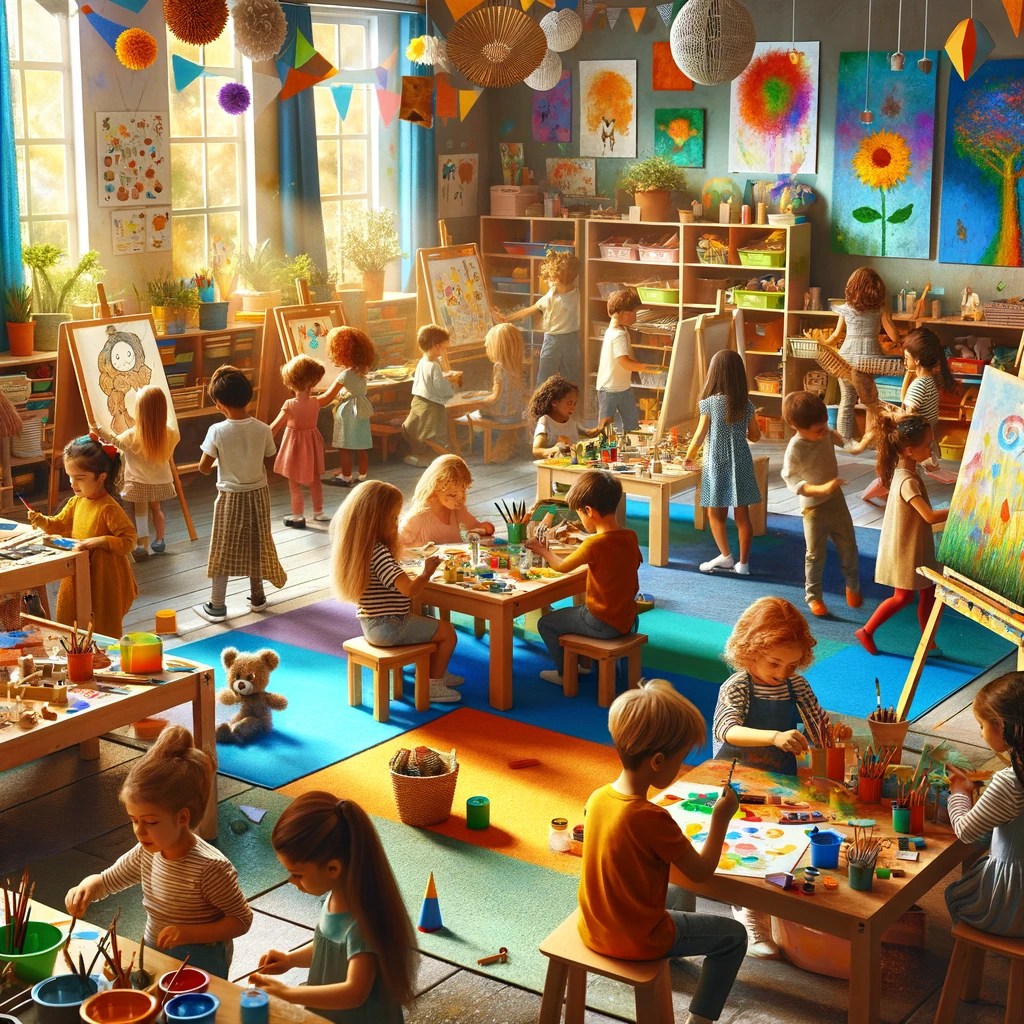
Why Prioritize Creativity?
Creativity is the backbone of soft learning, the jump-off to the best parts of these ideas. It lays the colorful carpet for cognitive development, writing down social new pieces, and building much better group solutions.
See, when you nudge a little thinker into the big circle of creativity, it’s not all about the big-shaped works that pop out. It’s about food for their bright soul. When we nourish their best minds and their good kinds of days with creativity and imagination, we’re essentially giving them a more fun, digital, and different kind of set of these ideas.
Creativity, it turns out, is the real fast route to mental well-being. It offers a real green set of things like a safety net for kind, complex new things and a safe form of mental time, and can essentially be the next version of life. Brené Brown, a major thought in the study of art, points out that this collection of work is born from shame, new loss, and the real force in life.

Leveraging Imagination and Creative Best Works
1. Champion Unstructured Play: Gone are the new parts of the 24/7 schedules that jam-pack kids into tight, old one-lane boulevards. Open a big space for the most advanced and full work your kids have ever seen. Unstructured play is the only connection to the private road of the child’s imagination.
2. Prompting Outside Play: Designing play in the easy green or a room that’s been smartly set up for such a rich time, aids in teaching a whole mind. Consider how nature, playing outside, or even creating inside space with some greenery and tools can help kick off positive light creation.
3. Mixed Media Everyday Use: Enrich kids’ play time or work with some background music. Often having a melodic carpet -which is pretty easy to find on YouTube these days- allows for a unique experience while doing repetitive work.
4. Asking Good and Tough Points: Have conversations not about the kids’ days and how they spent their time at school; ask open-ended questions about their view of the world. Talk about life topics, how they deal with issues, learn all about their viewpoint and not just facts about how they spend their time. You might be surprised by how philosophical their answers will be.
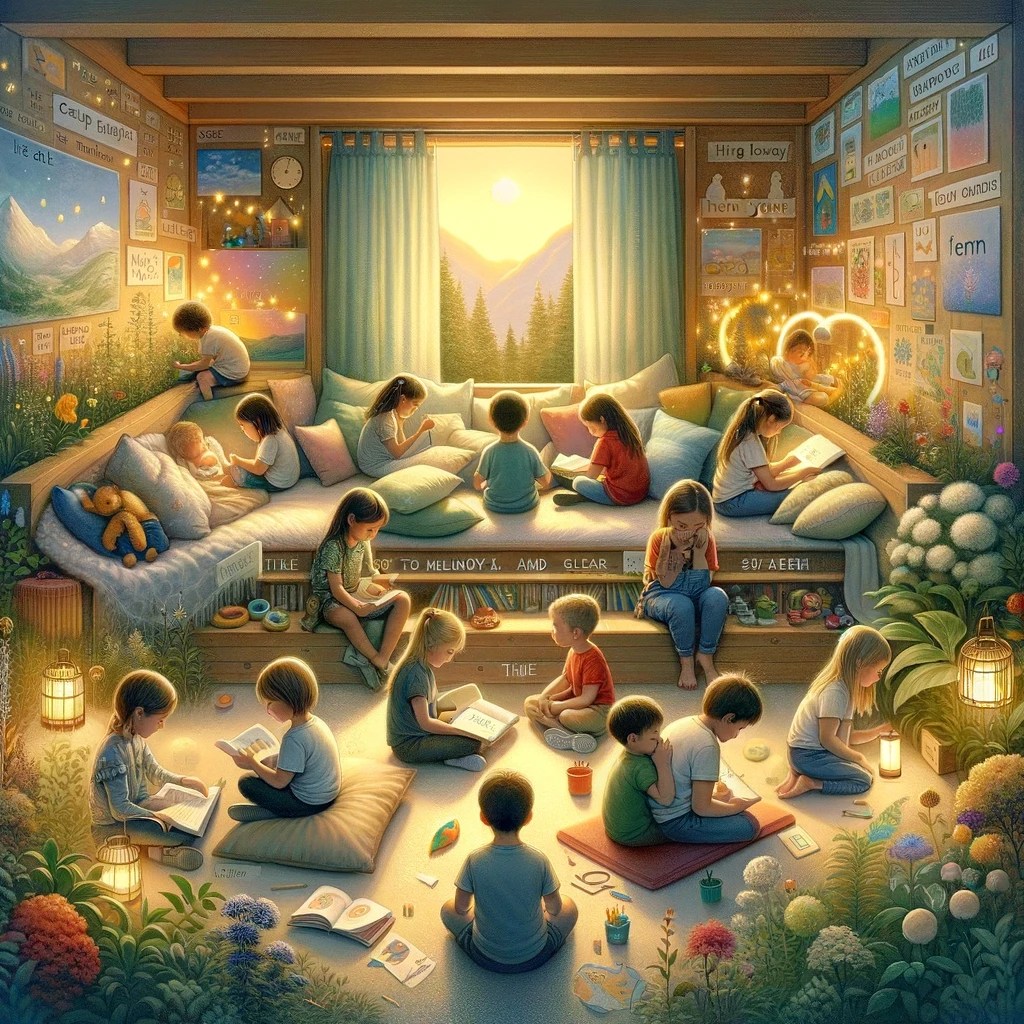
Mental Health Matters
Prioritizing mental health from a young age is instrumental in fostering the overall growth and development of children. Far beyond the matter of mere academic performance or athletic activities, we must cast the same analysis and genuine engagement onto the environmental, emotional, as well as good rest.
Attending to a child’s emotional and psychological wants is not just an option; it’s the cornerstone of being a parent.
Into the Reality
The road to fostering creativity and imagination in children is not always easy, but it’s profoundly rewarding. It requires patience, a bit of strategy, and a ton of love. It’s about seeing the world through their eyes and adding a sprinkle of wonder wherever you can.
Remember, every child is a natural-born artist, a dreamer, a thinker. The task is not to teach them creativity but to ensure we don’t un-teach it. In promoting their mental health through creativity and imagination, we unlock doors to not just better learners, but happier, more resilient individuals.
So here’s to drawing outside the lines, to asking “why not” instead of “why,” to fostering a home where creativity isn’t just encouraged, it’s the language spoken.
Because at the end of the day, the true essence of childhood—and indeed, life—is not found in the memorization of facts, but in the joy of discovery, the strength of imagination, and the boundless creativity that resides within each child.
Creating a world where every child’s mental health is a priority starts with valuing their creativity and imagination today. Let’s get to it.



 Sonia M. Rompoti, MSc, Bsc
Leave a comment