


In recent years, there’s been a noticeable resurgence of interest in witchcraft, a trend that’s fascinating from both cultural and psychological perspectives.
This rekindled fascination isn’t just about the allure of the mystical or an escape into the fantastical; it’s deeply rooted in the human psyche, reflecting our innate desires for empowerment, connection with nature, and a form of rebellion against the constraints of mainstream societal norms.
Let’s explore the psychological underpinnings of this phenomenon and understand why witchcraft continues to enchant many in the modern era.
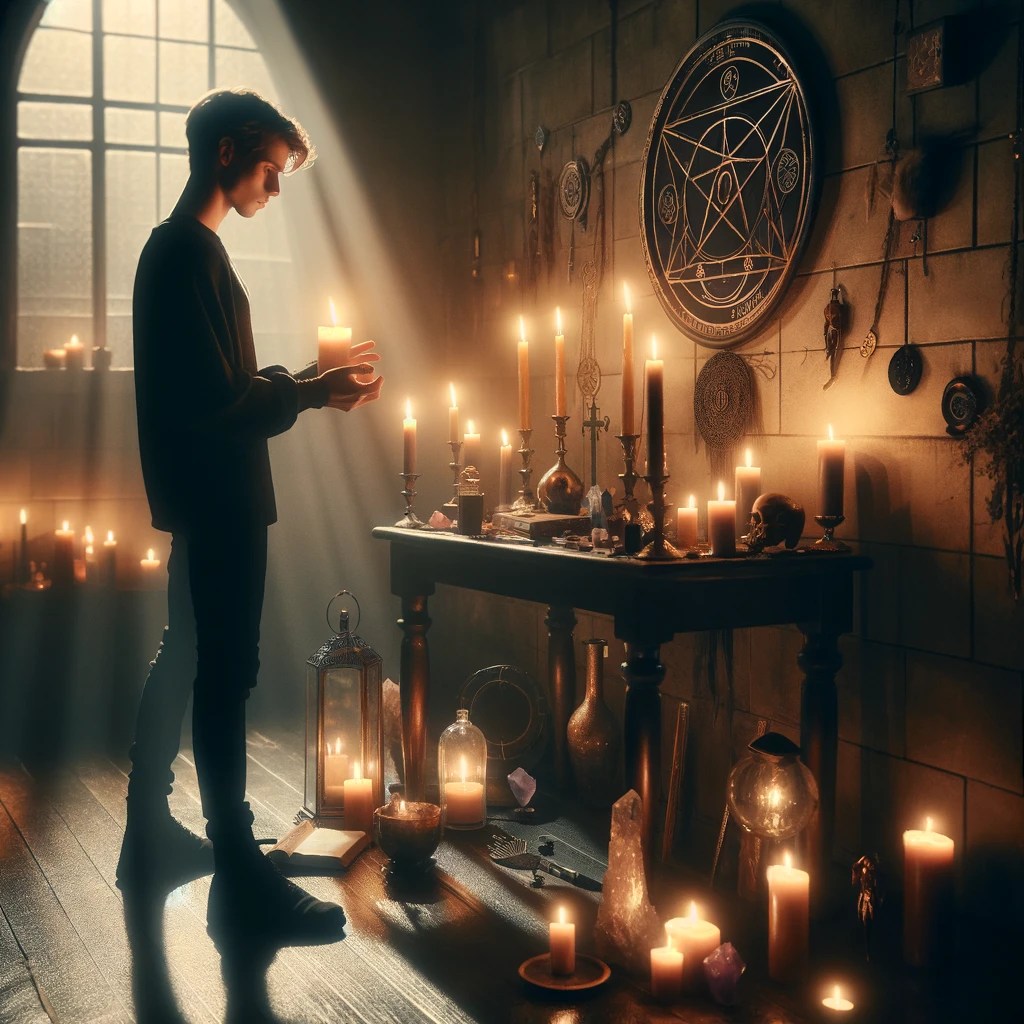
A Quest for Empowerment
At its core, witchcraft symbolizes a quest for empowerment. In a world that often feels out of our control, witchcraft offers the allure of influencing outcomes, steering personal destinies, and accessing untapped inner strength.
This sense of empowerment is particularly resonant in our current climate of uncertainty and rapid change. It’s not just about casting spells or engaging in rituals; it’s about reclaiming a sense of agency in one’s life.
Psychologically, this empowers individuals by making them feel more in control of their circumstances, enhancing their self-efficacy and resilience.
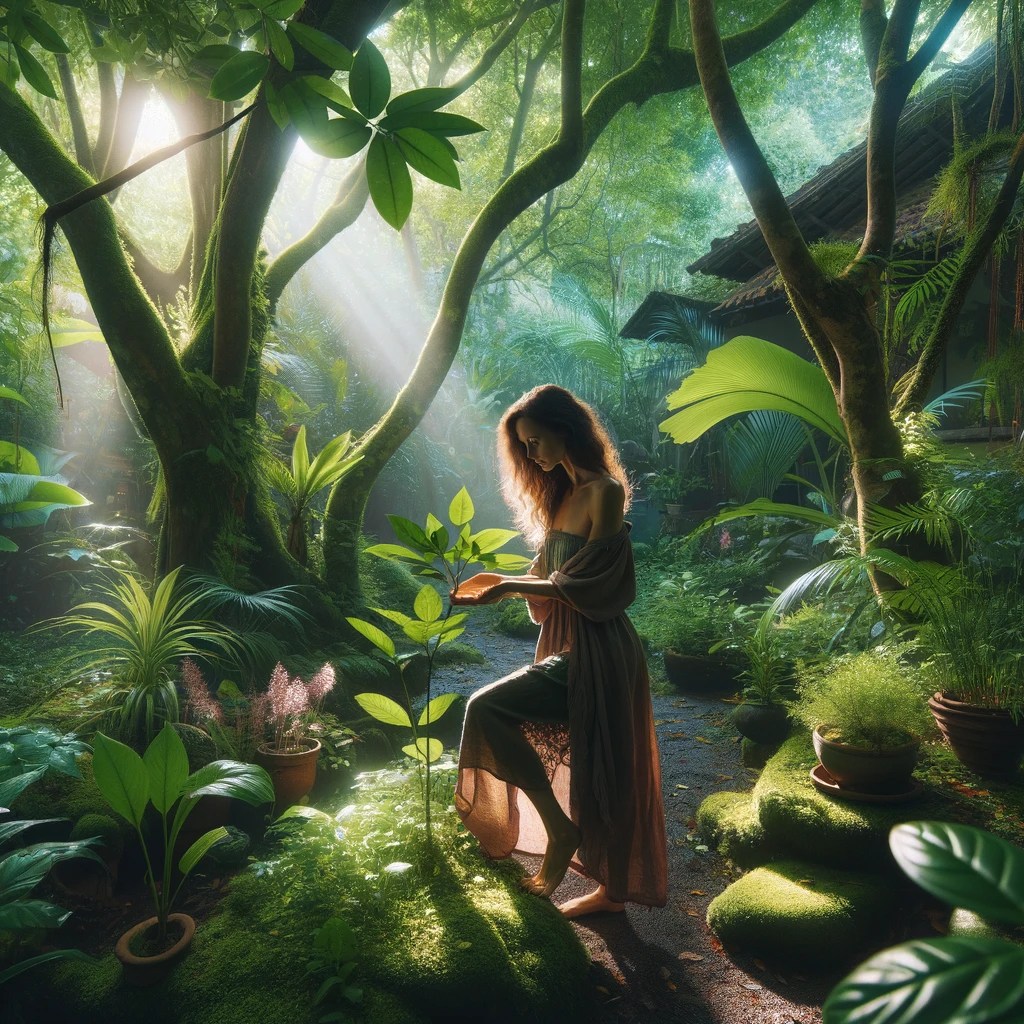
Nature’s Embrace
Witchcraft’s deep ties to nature and the natural world offer a profound sense of connection that many find lacking in the hustle and bustle of modern life.
Engaging with the elements, celebrating the cycles of the moon, and working with herbs and crystals encourage a mindfulness and presence that is often therapeutic.
This reconnection with the natural world meets a psychological need for belonging and grounding, providing a counterbalance to the alienation and disconnection that characterize much of contemporary existence.
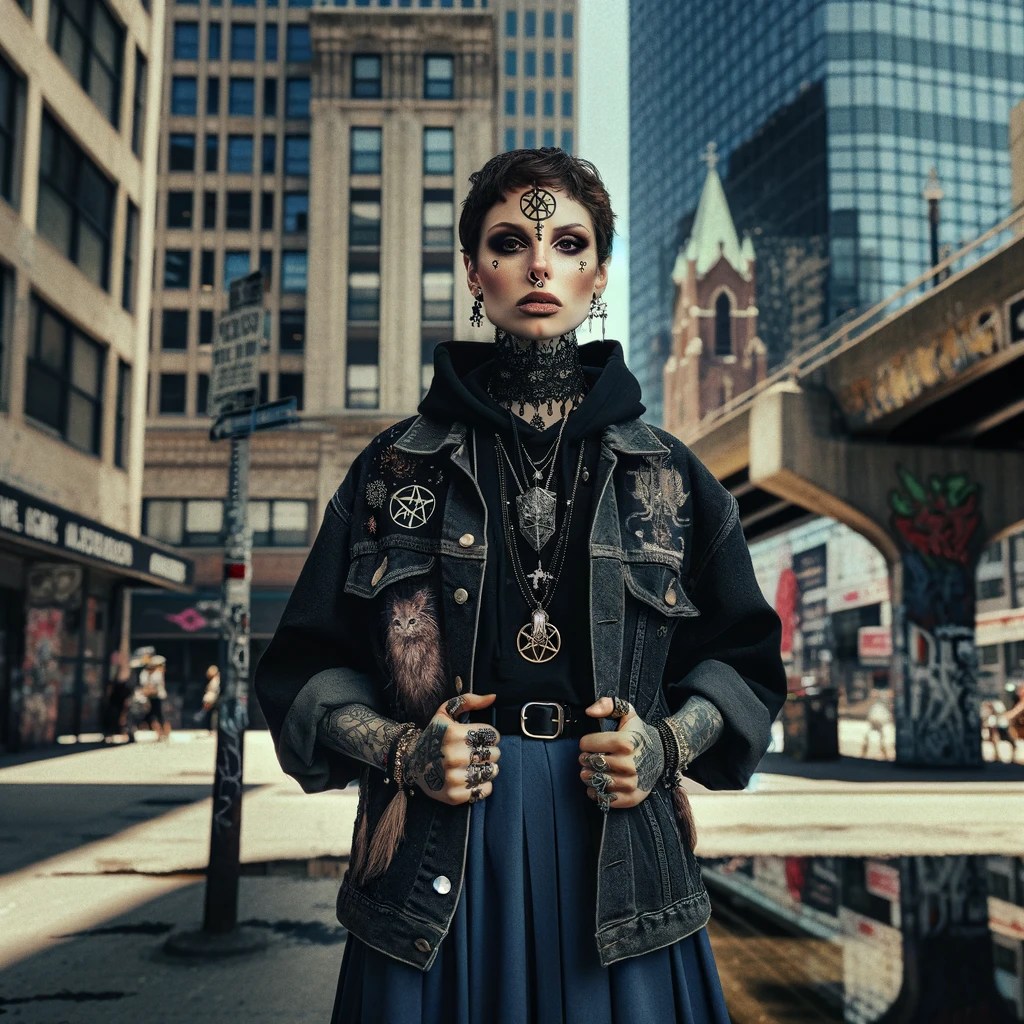
Rebellion and Identity
In a society where conformity is often the norm, witchcraft represents a form of rebellion—a rejection of mainstream values and an embrace of alternative ways of being.
This rebellion can be particularly appealing to those who feel marginalized or disenfranchised, offering a community and a set of practices that validate different identities and ways of knowing. The act of identifying as a witch or practicing witchcraft can be a powerful statement of autonomy, serving as a means of self-expression and identity formation.
This is crucial for psychological well-being, as it allows individuals to explore and affirm their unique selves.
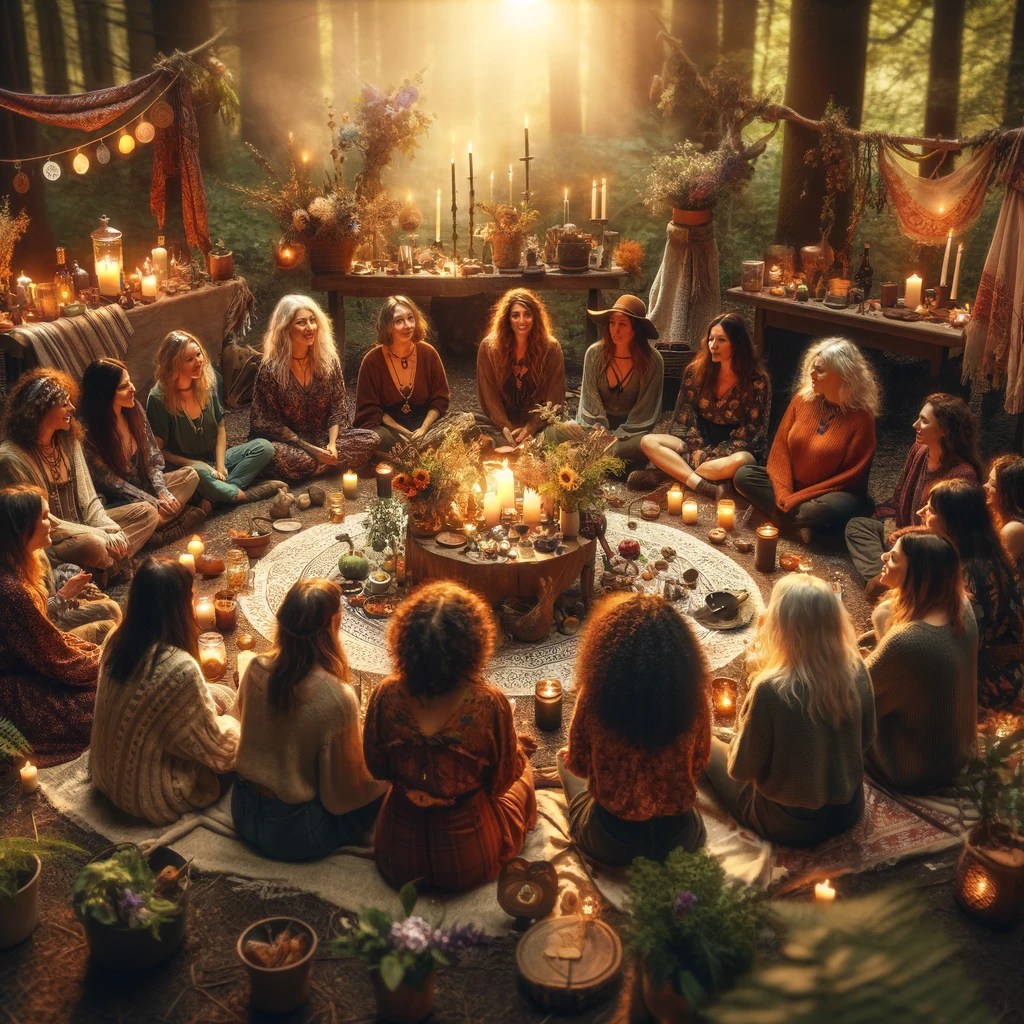
A Sense of Community
The modern witchcraft movement fosters a sense of community among practitioners, providing a space for shared experiences, knowledge, and support.
This community aspect addresses the human need for social connection and belonging, offering a sanctuary for those who might feel isolated in their spiritual practices or personal beliefs.
In a digital age, online platforms have expanded these communities, allowing them to thrive and grow, providing a sense of belonging that transcends geographical boundaries.
Personal Identity and Self-Actualization
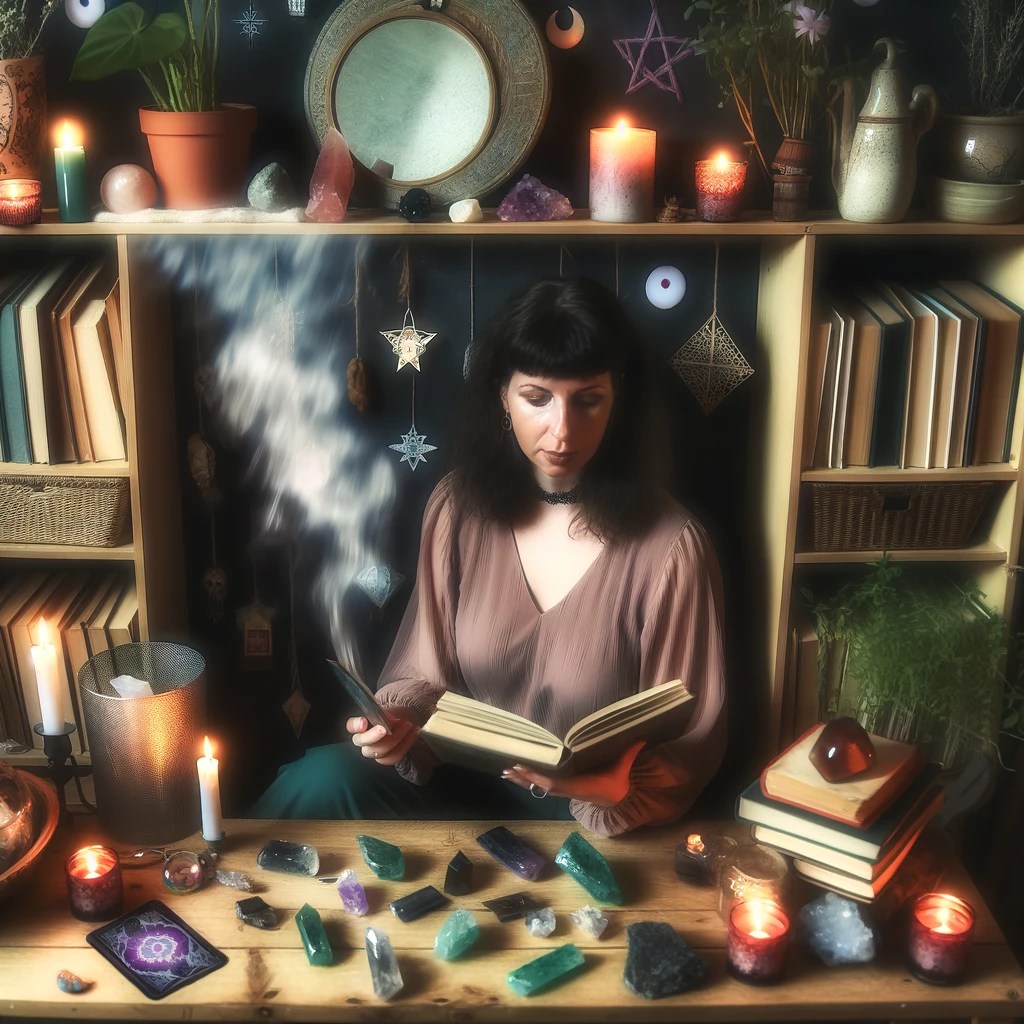
Witchcraft’s appeal also lies in its flexibility and personalization; it’s a spiritual practice that individuals can shape to fit their unique beliefs and experiences.
This aspect of witchcraft is deeply aligned with the psychological journey towards self-actualization—the process of realizing one’s full potential and becoming the most authentic version of oneself.
Through the exploration of witchcraft, individuals can embark on a path of personal growth and discovery, integrating various practices that resonate with their inner truths and values.
Personal Reflections: Embracing Nature and the True Self
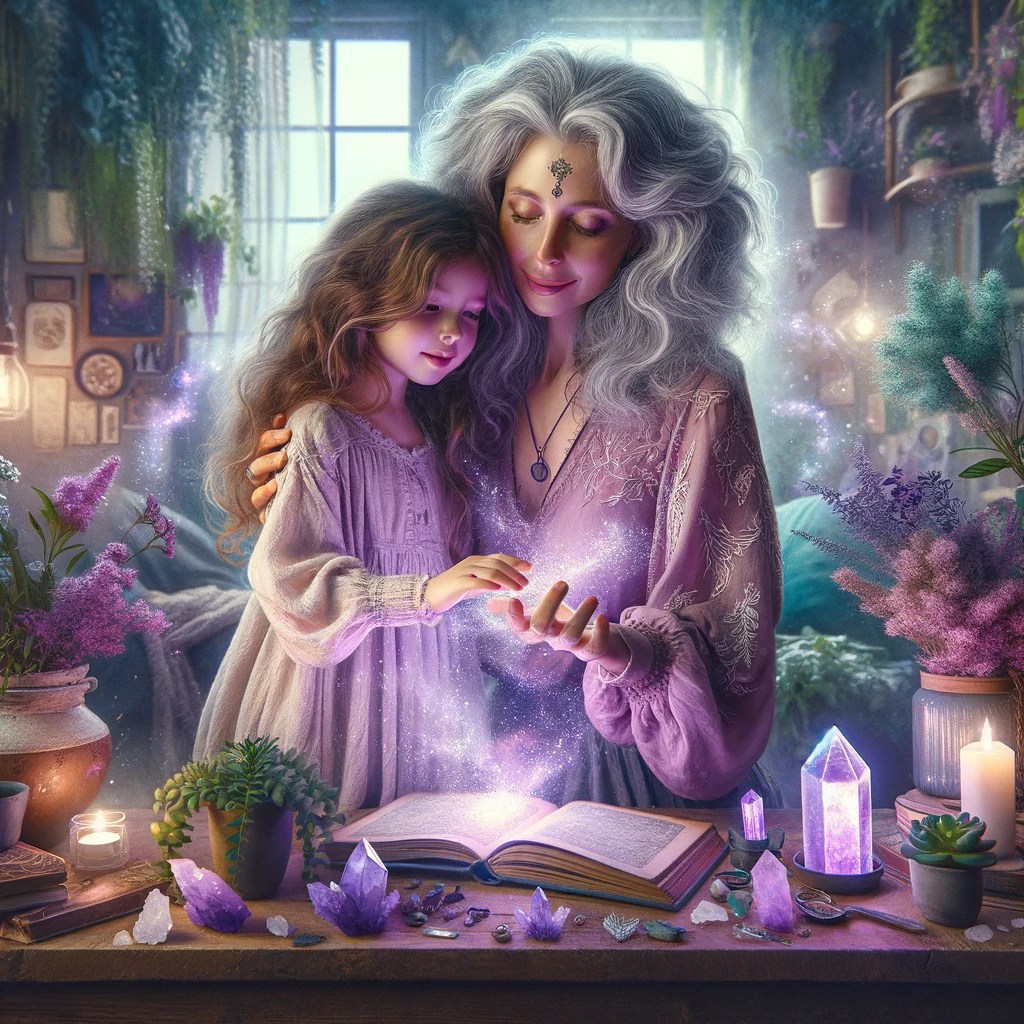
Beyond the realms of psychology and the human constructs that seek to explain our attraction to witchcraft, there exists a deeper, more intuitive connection. This connection is not just about the lure of the mystical or the empowerment that comes from perceived control over our circumstances. It is about a fundamental need, a calling, to be part of nature and to return to our true selves. This quest for authenticity transcends the boundaries of conventional wisdom, reaching into the very core of our being.
Witchcraft, in its essence, is less about controlling the world around us and more about being true to who we are. It invites us to peel away the layers of societal expectations and to explore the depths of our individuality. The practices and beliefs associated with witchcraft serve as a mirror, reflecting our innate desires to connect with something greater than ourselves, to find harmony in nature, and to embrace the cycles and rhythms that govern the natural world.
This spiritual journey towards self-discovery and authenticity is deeply personal. It challenges us to confront our shadows, to acknowledge our strengths and vulnerabilities, and to honor our unique paths. In doing so, witchcraft becomes a tool for self-actualization, a means through which we can align our external lives with our inner truths.
The resurgence of interest in witchcraft today speaks to a collective yearning for connection and meaning in an increasingly disconnected world. It is a response to the hunger for a life that resonates with our deepest values and aspirations. By embracing the principles of witchcraft, we are not seeking to escape reality but to engage with it more fully, to live in harmony with the natural world, and to honor the sacredness of our individual journeys.
In essence, the embrace of witchcraft and its practices is a testament to the human spirit’s unending quest for authenticity and connection. It is a reminder that, at our core, we are part of nature, woven into the fabric of the universe. Returning to our true selves, then, is not a departure from reality but a homecoming, a celebration of the beauty and complexity of being human.
As we navigate the complexities of modern life, let us remember that the true power of witchcraft lies not in its ability to change the world around us, but in its capacity to transform us from within. It is a call to live authentically, to embrace our true nature, and to find peace and fulfillment in the simple act of being true to who we are.
In embracing the mystical, we find not just escape, but a mirror reflecting our deepest desires and challenges, inviting us to explore the depths of our being and the boundless possibilities of our existence. Witchcraft, in its modern incarnation, is a testament to the enduring human spirit’s quest for understanding, meaning, and connection in an ever-changing world.


 Sonia M. Rompoti, MSc, Bsc
Leave a comment