



As we usher in tax season 2024, it’s that time of the year again when the tax-filing frenzy begins. Whether you’re a seasoned taxpayer or a novice navigating the complex world of tax returns, the goal remains the same: to maximize your returns.
With a plethora of changes in tax laws and the ever-present goal of optimizing your financial health, understanding how to navigate your tax filings is more crucial than ever.
Here’s your comprehensive guide to making the most of this tax season, complete with actionable tips and insider advice.
Understand the Latest Tax Changes
First things first, staying updated with the latest tax laws and changes is paramount. Each year, tax brackets, deductions, and credits could undergo modifications that significantly impact your tax situation.
For instance, the standard deduction might have increased, providing you with a greater opportunity to reduce your taxable income without itemizing deductions.
Keep an eye on updates from the IRS or consult a tax professional to ensure you’re not missing out on any new opportunities for savings.

Maximize Deductions and Credits
Deductions and credits are your best friends come tax season. They can dramatically lower your tax bill or increase your refund.
Here are some you shouldn’t overlook:
- Contribute to Retirement Accounts: Contributions to IRAs or employer-sponsored retirement plans not only secure your future but can also reduce your taxable income.
- Health Savings Account (HSA) Contributions: If you’re enrolled in a high-deductible health plan, contributing to an HSA offers a triple tax advantage: contributions are tax-deductible, earnings grow tax-free, and withdrawals for qualified medical expenses are not taxed.
- Charitable Donations: Donations to qualified charities can be deducted if you itemize. Remember to keep receipts and documentation for any contributions.
- Education Expenses: The American Opportunity Tax Credit (AOTC) and the Lifetime Learning Credit (LLC) can offer significant tax savings for those paying for education expenses.

Organize Your Documents Early
One of the biggest hurdles during tax season is gathering all the necessary documents.
Start early to collect W-2 forms from employers, 1099 forms if you’re a freelancer, receipts for deductible expenses, and records of any eligible tax credits.
Organizing these documents ahead of time can save you from the last-minute rush and help ensure accuracy in your tax filing.
Consider Itemizing Deductions
While the increased standard deduction means many taxpayers find it more beneficial than itemizing, don’t dismiss itemizing too quickly.
If you had significant medical expenses, made large charitable contributions, or had other sizable deductions, itemizing could save you more.
Run the numbers both ways to see which method offers the more significant tax break.
Consider Using Tax Software or a Professional
The complexity of your tax situation should guide whether you DIY your taxes or enlist the help of a professional. Tax software can be a cost-effective, straightforward option for simpler tax situations and often comes with guidance and support.
However, if you have multiple income streams, investments, or rental properties, consulting with a tax professional could uncover additional savings and ensure your taxes are filed accurately.
Don’t Forget About State Taxes
While much of the focus is on federal taxes, state taxes require equal attention. Tax laws vary significantly by state, and understanding these nuances can lead to additional savings.
Some states offer credits and deductions not available on your federal return, so familiarize yourself with your state’s specific tax provisions.
Plan for Next Year
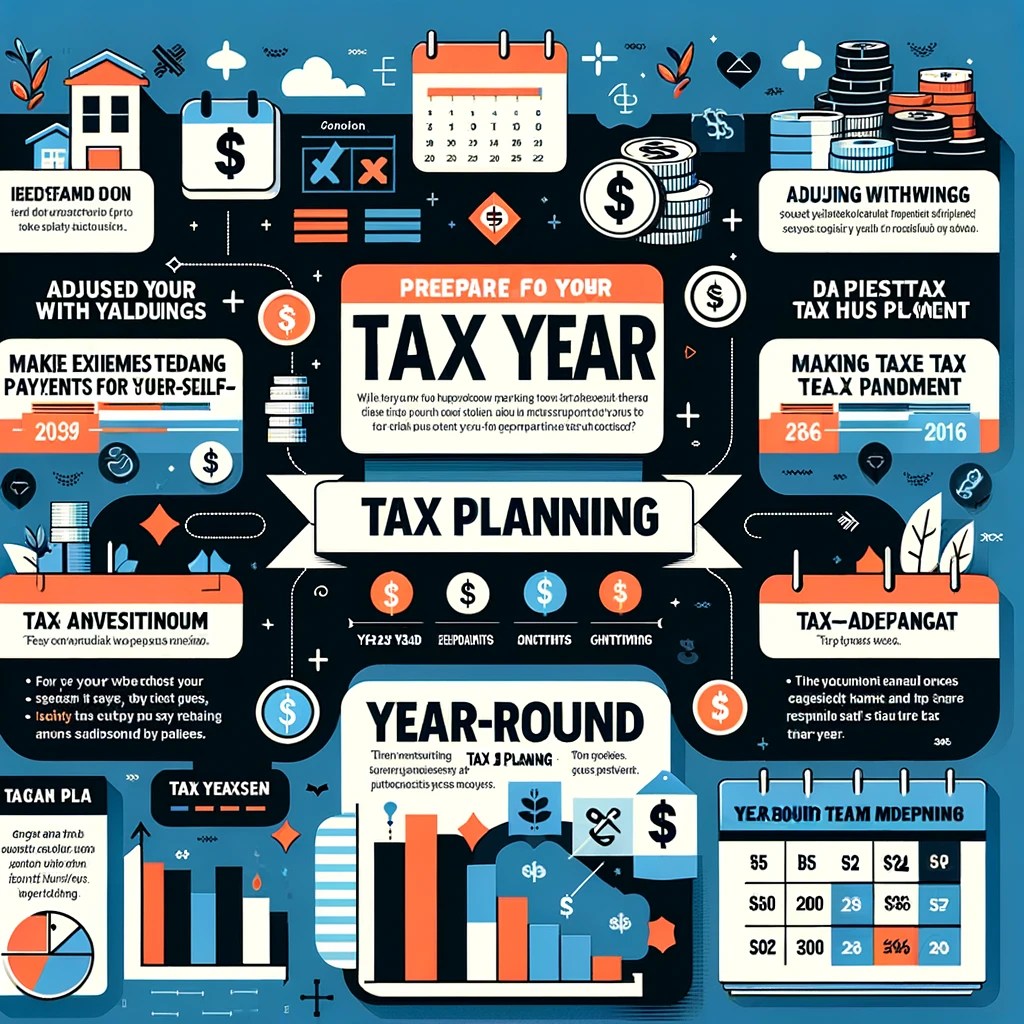
Lastly, tax planning shouldn’t stop once you’ve filed. Look ahead and start strategizing for the next tax year.
Adjust your withholdings if you received a large refund or owed a significant amount, consider making estimated tax payments if you’re self-employed, and explore opportunities to invest in tax-advantaged accounts throughout the year.
Personal Thoughts on the Matter:
As we navigate the complexities of tax laws and strive to maximize our returns, the essence of tax planning becomes undeniably clear. My journey through understanding and implementing strategic tax practices has taught me that preparation, knowledge, and proactive action are not merely suggestions but necessities for financial well-being.
Reflecting on the whirlwind of numbers, deductions, and credits, I’ve come to appreciate the beauty of organization and the power of informed decision-making. The annual ritual of tax filing transcends the act of settling accounts with the government; it’s an opportunity to assess our financial health, realign our goals, and make mindful choices that pave the way for a secure future.
One of the most impactful lessons learned is the significance of staying abreast with tax changes. Each year brings its adjustments, and understanding these nuances can transform a daunting task into a rewarding exercise. It’s not just about navigating the present; it’s about sculpting a future that reflects our aspirations and hard work.
The debate between using tax software or a professional has always intrigued me. On one hand, the convenience and simplicity of software appeal to the DIY spirit, offering a sense of control and immediacy. On the other, the depth and personalized insight provided by a tax professional often uncover nuances and savings that might otherwise be overlooked. This decision, like many in the realm of taxes, underscores the importance of aligning our choices with our unique situations and goals.
Moreover, the intricate dance of deductions and credits highlights a broader theme of fiscal responsibility and the pursuit of optimization. Whether it’s adjusting withholdings, contributing to retirement accounts, or donating to charity, these actions reflect a deliberate approach to finances that transcends the tax season.
As we plan for the next year, embracing a year-round perspective on tax planning not only prepares us for the inevitable but also empowers us to take charge of our financial destiny. The journey of tax preparation, with its challenges and triumphs, mirrors the broader quest for financial security and fulfillment.
In sharing these reflections, my hope is to inspire a more engaged, informed, and strategic approach to tax planning. It’s a journey that demands diligence, adaptability, and foresight, but the rewards—a sense of control over one’s financial future, optimized returns, and peace of mind—are immeasurable. Let us embrace the complexities, seize the opportunities, and move forward with confidence and clarity.



 Sonia M. Rompoti, MSc, Bsc
Leave a comment