



Public speaking is an art form that requires not just confidence but also a deep understanding of communication techniques. Whether you are delivering a presentation, giving a speech, or leading a meeting, the ability to convey your message effectively is crucial.
This article will explore the nuances of public speaking, offering practical tips and tricks to help you communicate more effectively.

Know Your Audience
The first step to effective communication is understanding who you are speaking to. Tailor your message to your audience’s interests, level of understanding, and expectations.
This approach not only makes your speech more relatable but also increases the likelihood of engaging your listeners.

Master Your Material
Familiarize yourself with the content of your speech inside and out. This doesn’t mean memorizing it word-for-word but having a deep understanding of your topic.
This mastery allows you to speak more naturally and respond to questions with confidence.

Start Strong
The opening of your speech sets the tone for what follows. Begin with a compelling statement, an interesting anecdote, or a thought-provoking question.
A strong start grabs your audience’s attention and sets the stage for a memorable presentation.

Use Visual Aids Wisely
Visual aids, when used effectively, can enhance your message and help maintain audience engagement. Ensure your visuals are clear, relevant, and professional.
Avoid overcrowding your slides with information; instead, use them to complement your speech.

Practice Makes Perfect
Rehearse your speech multiple times before the actual presentation. Practice in front of a mirror, record yourself, or present to a friend or family member.
This not only helps you become more familiar with your material but also allows you to refine your delivery.

Engage With Your Audience
Interaction keeps your audience engaged and makes your presentation more dynamic. Ask questions, invite opinions, or include short activities.
This engagement transforms your speech from a monologue into a dialogue, making it more interesting for your listeners.

Be Mindful of Your Body Language
Your body language speaks volumes about your confidence and attitude. Maintain eye contact, use gestures to emphasize points, and move around the stage if possible.
Avoid crossing your arms or fidgeting, as these actions can detract from your message.
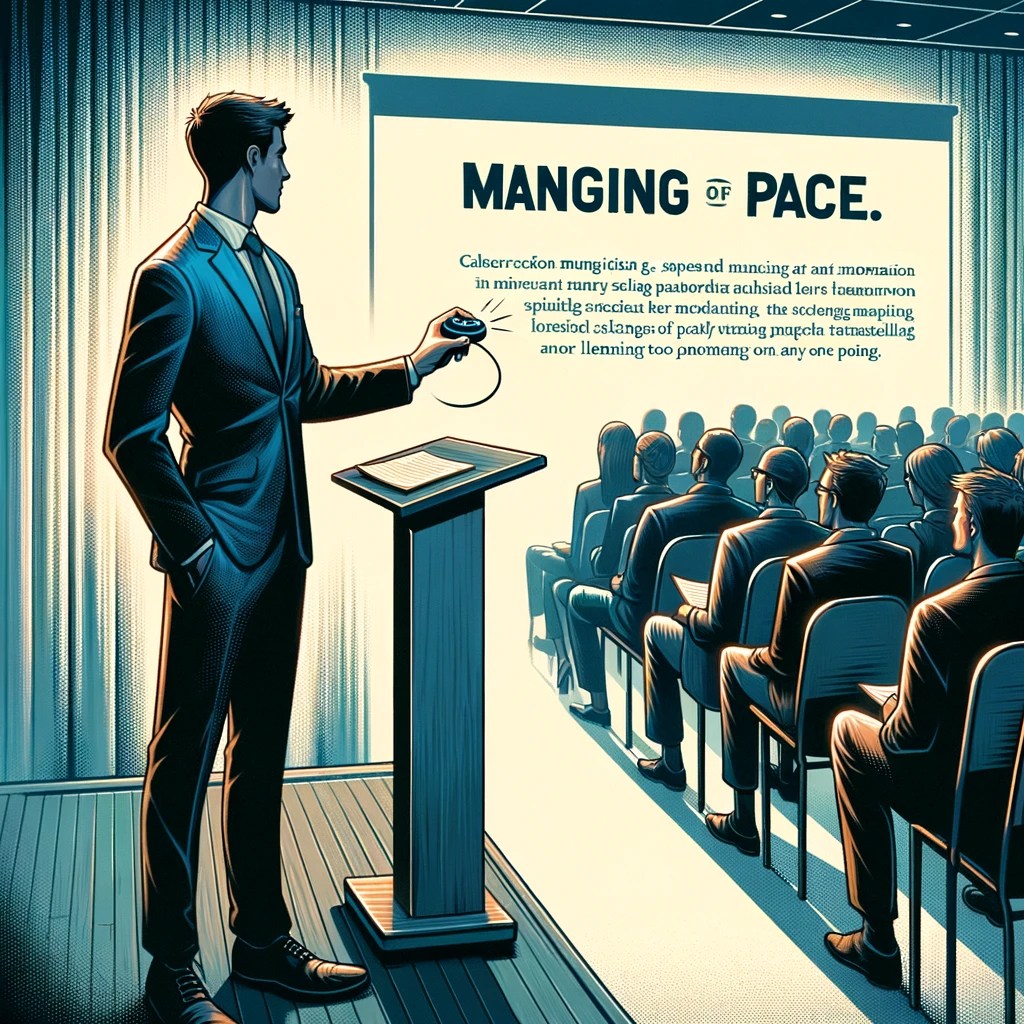
Manage Your Pace
Speaking too fast can overwhelm your audience, while speaking too slowly can bore them. Strive for a balanced pace, and make sure to pause for emphasis and to allow your audience to absorb key points.

Handle Nervousness
Feeling nervous before a speech is normal. To manage nervousness, take deep breaths, focus on the message you want to convey, and remember that your audience is rooting for you. Confidence comes with practice and experience.

Conclude With Impact
End your speech on a strong note. Summarize your key points and leave your audience with something to think about. A powerful conclusion reinforces your message and ensures you leave a lasting impression.
Personal Opinion: Embracing the Joy of Public Speaking
Public speaking: for many, it’s a daunting challenge, but for me, it’s a delightful opportunity. My personal journey with public speaking has been overwhelmingly positive, a facet of my life that I not only tackle without fear but with genuine enthusiasm. This enthusiasm has proven to be a boon, both professionally and personally, allowing me to connect with others on a deeper level and share my insights and passions.
Why does public speaking come so naturally to me, you might wonder? Confidence plays a significant role, undoubtedly. The self-assurance that comes with standing in front of an audience, ready to share a piece of your mind, is exhilarating. Over the years, this confidence has only grown, fueled by increasing experience and the positive feedback loop of successful engagements.
However, the cornerstone of my public speaking success, I believe, is preparation. I invest a considerable amount of time in preparing for each speaking opportunity. This preparation goes beyond just familiarizing myself with my speech; it involves extensive research on the topic at hand. This rigorous approach ensures that I’m not just sharing information but imparting well-researched, accurate, and valuable insights. It’s this commitment to preparation that imbues me with the confidence needed to face an audience, no matter the size.
Moreover, the act of preparation itself is something I find deeply rewarding. Delving into a topic, uncovering new insights, and weaving these into a compelling narrative is a process that I thoroughly enjoy. It’s not just about the delivery but the journey there – a journey filled with learning and discovery.
In essence, my positive outlook on public speaking is a blend of inherent confidence, accumulated experience, and, most importantly, meticulous preparation. This combination has allowed me to approach public speaking not as a daunting task but as an exciting opportunity to share, connect, and engage. It’s a mindset that I believe can transform the public speaking experience for anyone willing to invest the time and effort into truly mastering their material and embracing the unique opportunity that each speaking engagement offers.
Public speaking is a valuable skill that can be honed with practice and dedication. By understanding your audience, mastering your material, engaging with your listeners, and using visual aids wisely, you can elevate your communication skills. Remember, the goal of public speaking is not just to convey information but to connect with your audience and leave a lasting impact. With these tips and tricks, you’re well on your way to becoming a more effective and confident speaker.



 Sonia M. Rompoti, MSc, Bsc
Leave a comment